Stucco vs. EIFS is an important comparison for Los Angeles homeowners, builders, property managers, and commercial property owners considering an exterior wall finish. Both systems can create an attractive exterior and can be designed to provide weather protection, but they use different materials and construction methods.
Traditional stucco is a cement-based exterior finish that has been widely used throughout Southern California for decades. EIFS, or Exterior Insulation and Finish Systems, is a multi-layer exterior cladding system that incorporates insulation and a reinforced finish.
Understanding the differences between stucco and EIFS can help property owners evaluate installation, appearance, maintenance, moisture management, insulation, repair, and long-term exterior needs.
Neither system is automatically appropriate for every property. The correct choice depends on the building design, existing wall assembly, climate exposure, project requirements, and installation details.
Stucco vs. EIFS
Stucco and EIFS can look similar from the outside, but their construction is significantly different.
Traditional stucco generally uses cement-based materials applied over a prepared wall assembly. Depending on the system, it may include weather-resistant barriers, metal lath, scratch and brown coats, and a final finish coat.
EIFS is a layered exterior system that typically incorporates insulation board, a reinforced base coat, and an exterior finish. Different EIFS products and assemblies have specific installation and drainage requirements.
Because the visible finish does not tell the whole story, homeowners should understand the underlying wall system when comparing the two.
What Is Traditional Stucco?
Traditional stucco is a cementitious exterior finish used on residential and commercial buildings.
A traditional stucco assembly may include:
- Weather-resistant barriers
- Metal lath
- Scratch coat
- Brown coat
- Finish coat
- Flashing and drainage components
The final finish can be customized with different textures and colors.
Stucco is especially common in Los Angeles because it complements many architectural styles, including Spanish, Mediterranean, contemporary, and traditional homes.
When properly installed and maintained, stucco can provide a durable exterior finish.
What Is EIFS?
EIFS stands for Exterior Insulation and Finish System.
Unlike traditional stucco, EIFS typically incorporates an insulation layer as part of the exterior cladding assembly.
A typical EIFS system may include:
- Insulation board
- Base coat
- Reinforcing mesh
- Exterior finish
- Flashing and drainage components
EIFS can provide a different approach to exterior wall insulation and finish design.
Modern EIFS assemblies can also incorporate drainage features intended to manage water that gets behind the exterior finish.
Because EIFS products vary, the exact assembly and installation requirements depend on the manufacturer’s system.
Appearance: Stucco vs. EIFS
One reason homeowners compare these systems is that both can create a stucco-like appearance.
Traditional stucco can be finished in textures such as:
- Smooth
- Sand
- Lace
- Dash
- Custom textures
EIFS can also be finished with various textures and colors.
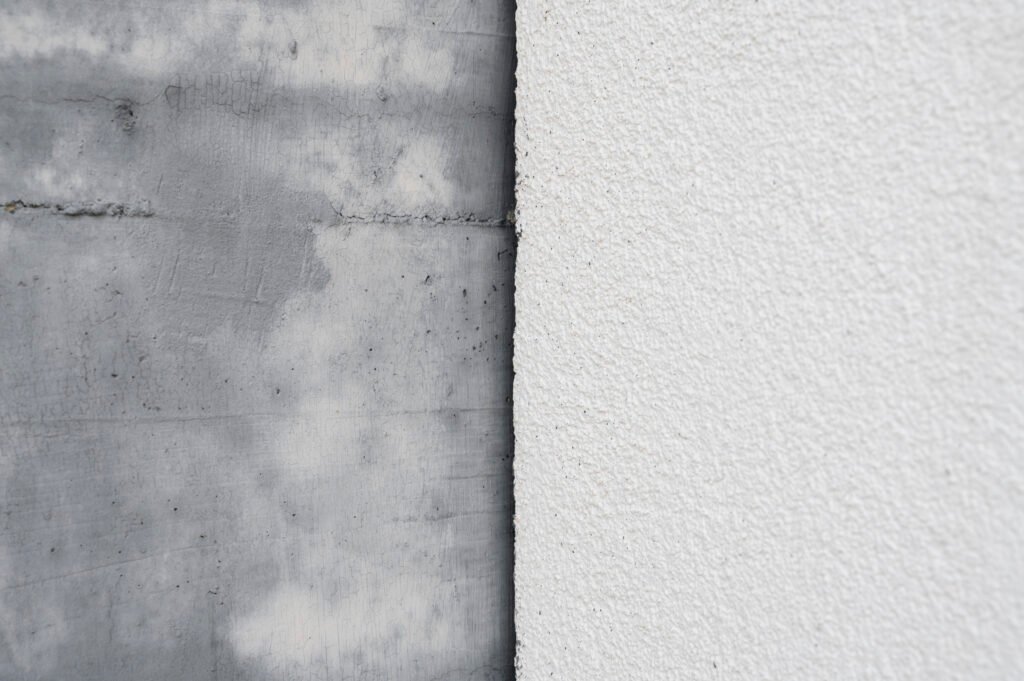
This means appearance alone may not always reveal whether a building has traditional stucco or EIFS.
For homeowners renovating an existing property, identifying the current exterior system before planning repairs or replacement is important.
Durability of Stucco
Traditional stucco can provide long-term exterior performance when properly installed and maintained.
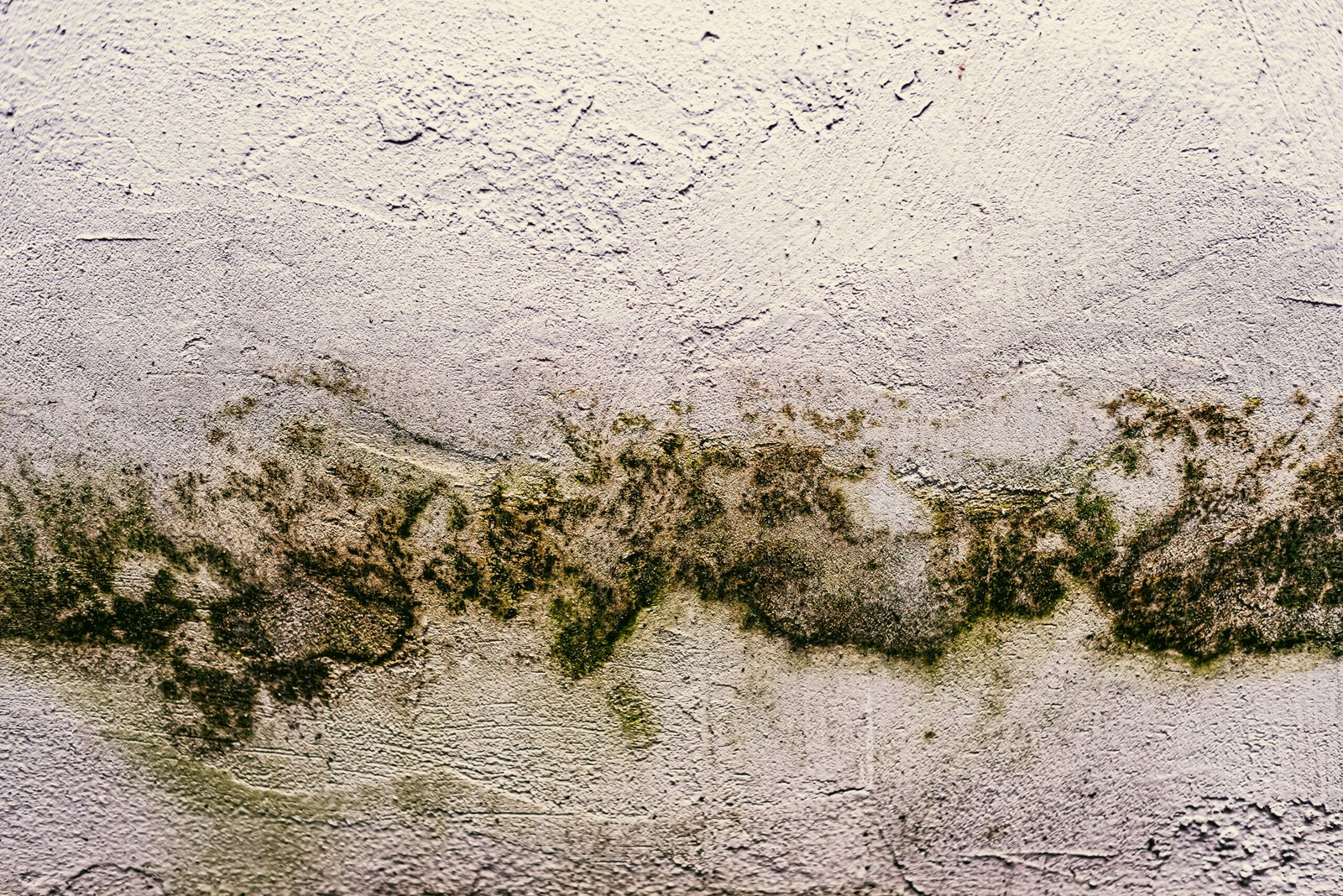
However, like any exterior finish, stucco can develop problems.
Common issues include:
- Cracking
- Impact damage
- Staining
- Failed sealants
- Water intrusion
- Loose sections
- Deterioration around openings
The condition of the entire wall system is important when evaluating stucco damage.
Durability of EIFS
EIFS can also provide durable exterior performance when installed according to the system manufacturer’s requirements.
Because EIFS incorporates multiple layers, proper installation of the insulation, reinforcing mesh, base coat, finish, flashing, drainage, and transitions is important.
Damage to the exterior finish can expose underlying components to environmental conditions, so damaged areas should be evaluated and repaired appropriately.
Moisture Management
Moisture management is one of the most important considerations when comparing stucco and EIFS.
Traditional Stucco
Traditional stucco systems rely on proper weather barriers, flashing, drainage, joints, and installation details to manage water.
Cracks, damaged sealants, improperly detailed openings, and flashing problems can create pathways for water intrusion.
EIFS
Modern EIFS systems can incorporate drainage features designed to help manage water that reaches behind the exterior finish.
However, EIFS still depends on proper installation and detailing around windows, doors, roof transitions, penetrations, and other openings.
No exterior cladding system eliminates the need for proper moisture management.
Insulation: Stucco vs. EIFS
One of the major differences between traditional stucco and EIFS is insulation.
Traditional stucco itself is primarily an exterior finish rather than an insulation system.
EIFS incorporates insulation board into the exterior assembly, which can provide a different approach to thermal performance.
The actual performance of an EIFS assembly depends on the insulation type, thickness, installation, wall construction, and other building components.
For homeowners focused on exterior insulation, EIFS may be worth considering as part of a broader building-envelope evaluation.
Energy Efficiency Considerations
Exterior insulation can affect how heat moves through a building envelope.
EIFS can provide continuous exterior insulation depending on the system design and installation.
Traditional stucco does not provide the same type of integrated exterior insulation, although overall building energy performance depends on much more than the exterior finish.
Windows, roofing, air sealing, insulation, HVAC systems, and wall construction all influence energy performance.
Therefore, homeowners should avoid evaluating energy efficiency based solely on whether a building uses stucco or EIFS.
Maintenance Requirements
Both systems require maintenance.
Stucco should be inspected periodically for cracks, stains, holes, deteriorated sealants, and other visible problems.
EIFS should also be inspected for damaged finish, cracks, impact damage, failed sealants, and problems around penetrations and openings.
Regular inspection is particularly important around:
- Windows
- Doors
- Roof transitions
- Wall penetrations
- Exterior fixtures
- Building corners
- Areas exposed to repeated moisture
Promptly addressing exterior damage can help prevent more extensive deterioration.
Stucco Repair vs. EIFS Repair
Repair methods differ because the systems are constructed differently.
Stucco Repair
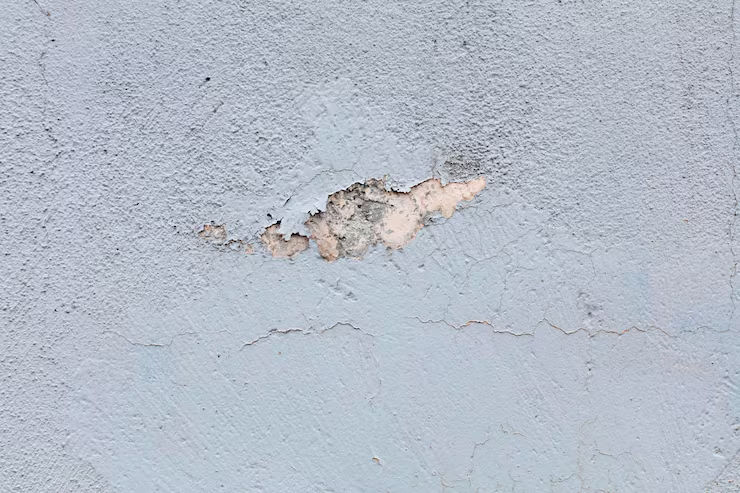
A stucco repair may involve removing damaged material, evaluating the underlying wall, repairing affected components, applying new stucco, and matching the existing texture.
Texture matching is especially important when repairing only part of an exterior wall.
EIFS Repair
EIFS repairs need to account for the specific system and its layers.
Depending on the damage, repairs may involve replacing sections of the finish, base coat, reinforcing mesh, or insulation board.
Because EIFS products and systems vary, identifying the existing system can be an important part of planning repairs.
Stucco vs. EIFS: Cost Considerations
The cost of stucco or EIFS depends on numerous factors.
These can include:
- Building size
- Existing exterior condition
- Material selection
- Labor
- Accessibility
- Wall preparation
- Insulation requirements
- Flashing
- Drainage details
- Windows and doors
- Exterior architectural details
- Removal of existing materials
- Repair of underlying damage
A direct cost comparison without considering the complete wall assembly can be misleading.
Homeowners should obtain project-specific estimates that clearly describe the proposed system and scope of work.
Can You Replace Stucco With EIFS?
In some situations, an existing stucco exterior may be replaced or modified with an EIFS system.
However, this is not simply a matter of covering one material with another.
The existing exterior needs to be evaluated to determine:
- What wall system currently exists
- Whether the existing material needs to be removed
- Whether the substrate is sound
- How water will be managed
- How windows and doors will be detailed
- What insulation requirements apply
- How transitions will be handled
A qualified contractor can evaluate the existing assembly and determine what modifications may be necessary.
Can You Replace EIFS With Stucco?
Replacing EIFS with traditional stucco may also be possible depending on the building and existing wall construction.
The existing EIFS assembly may need to be removed or modified, and the wall must be prepared to accommodate the new stucco system.
Moisture damage should be investigated before installing a new exterior finish.
Replacing an exterior finish provides an opportunity to address underlying problems rather than simply covering them.
Which System Is Right for a Los Angeles Property?
The appropriate exterior system depends on the specific property.
Traditional stucco may be suitable for homeowners who want a cement-based exterior finish with a wide range of textures and colors.
EIFS may be considered by property owners who want an exterior finish that incorporates insulation into the wall assembly.
The building’s existing construction, architectural design, moisture exposure, energy goals, maintenance requirements, and project budget should all be considered.
Common Stucco Problems in Los Angeles
Los Angeles stucco exteriors can develop problems from a combination of age, building movement, moisture exposure, installation issues, and environmental conditions.
Common concerns include:
- Hairline cracks
- Larger cracks
- Water stains
- Failed sealants
- Damage around windows
- Loose stucco
- Impact damage
- Deteriorated sections
- Texture inconsistencies
Not every visible defect indicates a major problem. However, recurring or significant damage should be evaluated to determine its cause.
Professional Stucco Services in Los Angeles
Magic Lath & Plaster provides professional stucco and plaster services for residential and commercial properties throughout Los Angeles County.
Our services include:
- Stucco repair
- Commercial stucco
- New stucco installation
- Re-stucco
- Lath and plaster
- Exterior finishes
- Texture matching
- Venetian plaster
If your property has damaged stucco or you are considering an exterior renovation, understanding the existing wall assembly is an important first step.
Magic Lath & Plaster can help with stucco-related repair and installation needs while considering the condition and appearance of the existing exterior.
Stucco Services Throughout Los Angeles County
Magic Lath & Plaster serves residential and commercial properties throughout Los Angeles County and surrounding communities.
Our service areas include:
Every property has different construction details, exterior finishes, and exposure conditions. A property-specific evaluation is important when planning repair or replacement work.
When Should You Call a Stucco Contractor?
Professional evaluation may be appropriate when you notice significant cracks, water stains, loose material, bulging areas, deteriorated stucco, or repeated repairs.
It is particularly important to investigate potential moisture problems before installing a new exterior finish.
A contractor can inspect the affected areas and determine whether the issue is primarily cosmetic or whether the underlying wall system may also require attention.
How to Maintain a Stucco Exterior
Regular maintenance can help homeowners monitor the condition of their exterior.
Inspect stucco periodically for cracks and damaged areas.
Keep gutters and downspouts functioning properly.
Check sealants around windows, doors, and exterior penetrations.
Avoid allowing irrigation systems to continuously spray exterior walls.
After periods of heavy rain, inspect areas where water may accumulate.
Address significant or recurring problems before they become more extensive.
Final Thoughts
The comparison of stucco vs. EIFS involves much more than appearance. Traditional stucco and EIFS use different construction methods and have different approaches to insulation, moisture management, installation, and repair.
Traditional stucco provides a durable, customizable exterior finish that is widely used throughout Los Angeles. EIFS incorporates insulation into the exterior cladding system and can provide a different approach to building-envelope performance.
The appropriate choice depends on the property’s construction, design, moisture exposure, insulation requirements, maintenance expectations, and project goals.
For properties with existing stucco damage, Magic Lath & Plaster provides stucco repair, commercial stucco, new stucco installation, re-stucco, lath and plaster, exterior finishes, texture matching, and Venetian plaster services throughout Los Angeles County.
If you are considering repairing, replacing, or upgrading your exterior finish, a professional evaluation can help you understand the existing wall system and the options available for your property.
Frequently Asked Questions About Stucco vs. EIFS
1. What is the main difference between stucco and EIFS?
Traditional stucco is generally a cement-based exterior finish applied over a prepared wall assembly. EIFS is a multi-layer exterior cladding system that typically incorporates insulation, reinforcing mesh, a base coat, and a finish coat.
2. Is EIFS more energy efficient than traditional stucco?
EIFS incorporates insulation into the exterior wall assembly, which can provide additional thermal insulation depending on the system design. Overall building energy performance also depends on windows, roofing, air sealing, insulation, HVAC, and other components.
3. Is stucco more durable than EIFS?
Both systems can provide long-term exterior performance when properly designed, installed, and maintained. Their durability depends on installation quality, moisture management, environmental exposure, maintenance, and the condition of the underlying wall assembly.
4. Can EIFS be repaired?
Yes. EIFS can be repaired, but the repair method depends on the specific system and extent of damage. Repairs may involve the finish, base coat, reinforcing mesh, insulation board, or other components.
5. Can Magic Lath & Plaster repair or replace stucco?
Yes. Magic Lath & Plaster provides stucco repair, new stucco installation, re-stucco, commercial stucco, lath and plaster, exterior finishes, texture matching, and Venetian plaster services throughout Los Angeles County.