Weather Affects Stucco Exteriors in several ways, from gradual surface changes to cracking, staining, moisture intrusion, and deterioration. Although stucco is a durable exterior finish, it is continuously exposed to sunlight, temperature changes, rain, wind, and moisture. Over time, these environmental conditions can affect both the appearance and performance of a stucco exterior.
For Los Angeles homeowners, understanding how weather affects stucco can make it easier to identify problems early and determine when professional maintenance or repair may be necessary. Southern California is known for its dry climate and abundant sunshine, but seasonal rainfall and occasional periods of heavy weather can still expose exterior walls to moisture-related problems.
Weather alone does not necessarily mean stucco will fail. Proper installation, drainage, maintenance, flashing, sealants, and timely repairs all play important roles in helping a stucco exterior perform over the long term.
Weather Affects Stucco Exteriors
Weather affects stucco exteriors through repeated exposure to environmental conditions. Sunlight can heat exterior surfaces, while cooler temperatures can cause materials to contract. Rain introduces moisture, and wind can drive water toward vulnerable areas of the wall.
Over many years, these conditions can contribute to small cracks, surface discoloration, deteriorated sealants, and other forms of exterior wear.
The effect of weather depends on the property’s orientation, construction, exposure, drainage, age, and quality of installation. Walls that receive intense afternoon sunlight may experience different conditions from shaded walls, while areas near gutters, landscaping, or irrigation may receive more moisture.
Understanding these factors is important when evaluating stucco damage.
How Sun Exposure Affects Stucco
Los Angeles properties receive significant sunlight throughout the year. Prolonged exposure can gradually affect exterior finishes.
Expansion and Contraction
Exterior materials expand when heated and contract as temperatures change. Repeated movement can contribute to stress within a stucco system.
Over time, this movement may contribute to hairline cracks or other surface changes.
Color Changes
Sun exposure can also affect the appearance of exterior finishes. Pigments and coatings may gradually change with prolonged ultraviolet exposure.
The degree of color change depends on the material, finish, age, and amount of exposure.
Drying and Surface Wear
Intense sunlight can contribute to drying of certain surface materials. While stucco is designed for exterior exposure, long-term environmental stress can contribute to normal aging.
Regular inspection can help identify changes before they become more extensive.
How Rain Affects Stucco
Rain is an important consideration for any stucco exterior.
Properly installed stucco systems are designed to manage normal exposure to water, but problems can develop when water reaches areas that are not adequately protected or drained.
Water Through Cracks
Cracks can create potential pathways for moisture. Not every crack will lead to significant water intrusion, but larger or recurring cracks should be evaluated.
Failed Sealants
Sealants around windows, doors, penetrations, and transitions can deteriorate over time. When they fail, water may find pathways into the wall assembly.
Poor Drainage
Water should be directed away from exterior walls. Clogged gutters, damaged downspouts, or poor drainage can cause repeated water exposure.
Roof and Wall Connections
Areas where roofs meet exterior walls require careful water management. Problems with flashing or related components can contribute to moisture entering behind stucco.
How Temperature Changes Affect Stucco
Temperature changes can contribute to movement within exterior wall materials.
During warmer conditions, materials expand. As temperatures fall, they contract. Repeated cycles can place stress on the exterior system.
Small cracks may develop as part of this process, particularly in areas that experience significant temperature variation.
Temperature-related cracking does not automatically mean there is a serious problem. However, large, widening, or recurring cracks should be evaluated to determine their cause.
How Wind Affects Stucco Exteriors
Wind can affect stucco indirectly by increasing exposure to dust, debris, and moisture.
During rain events, wind can drive water toward exterior walls and vulnerable openings.
Wind can also expose existing weaknesses in sealants, flashing, or damaged areas.
After periods of severe weather, homeowners should inspect exterior walls for new cracks, damaged sections, loose material, and signs of moisture intrusion.
How Moisture Causes Stucco Damage
Moisture is one of the most important weather-related concerns for stucco exteriors.
Stucco is part of an exterior wall system, and proper moisture management involves more than the visible finish. Weather-resistant barriers, flashing, drainage, lath, sealants, and other components all contribute to the wall’s ability to manage water.
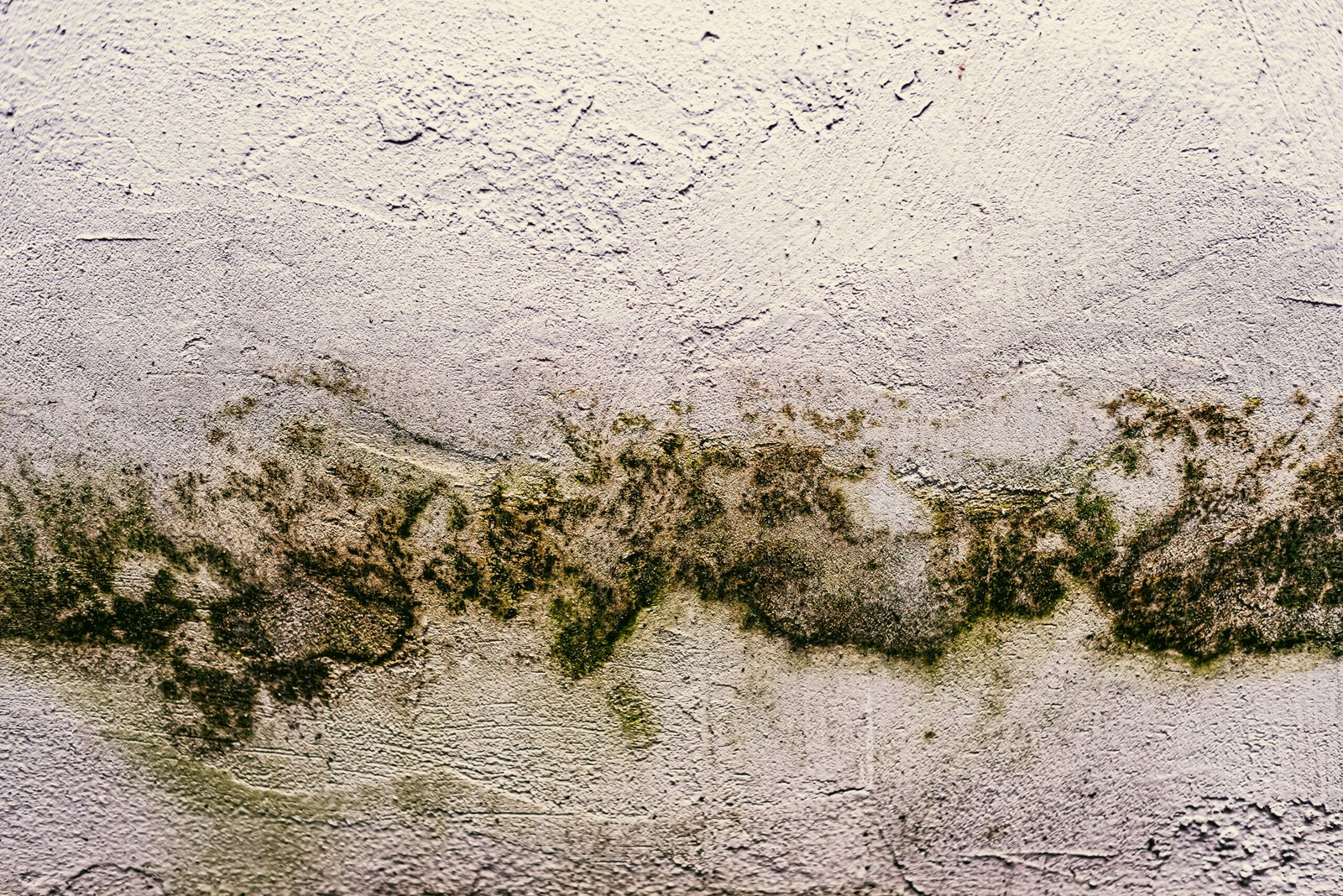
If moisture gets behind the stucco and remains trapped, it can contribute to deterioration of underlying materials.
Potential signs of moisture-related problems include:
- Dark staining
- Persistent discoloration
- Soft areas
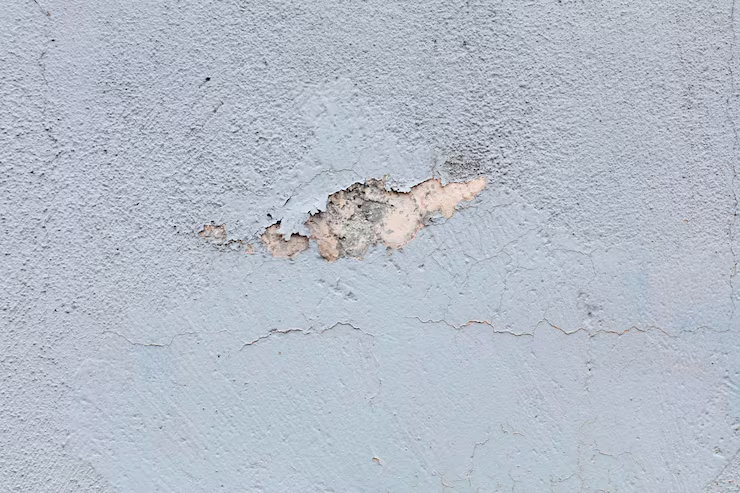
- Bulging stucco
- Crumbling material
- Separation
- Repeated cracking
- Damage around windows and doors
If these conditions are present, a professional evaluation can help determine whether moisture has affected the underlying wall assembly.
Weather-Related Stucco Cracking
Cracking is one of the most noticeable effects of environmental exposure.
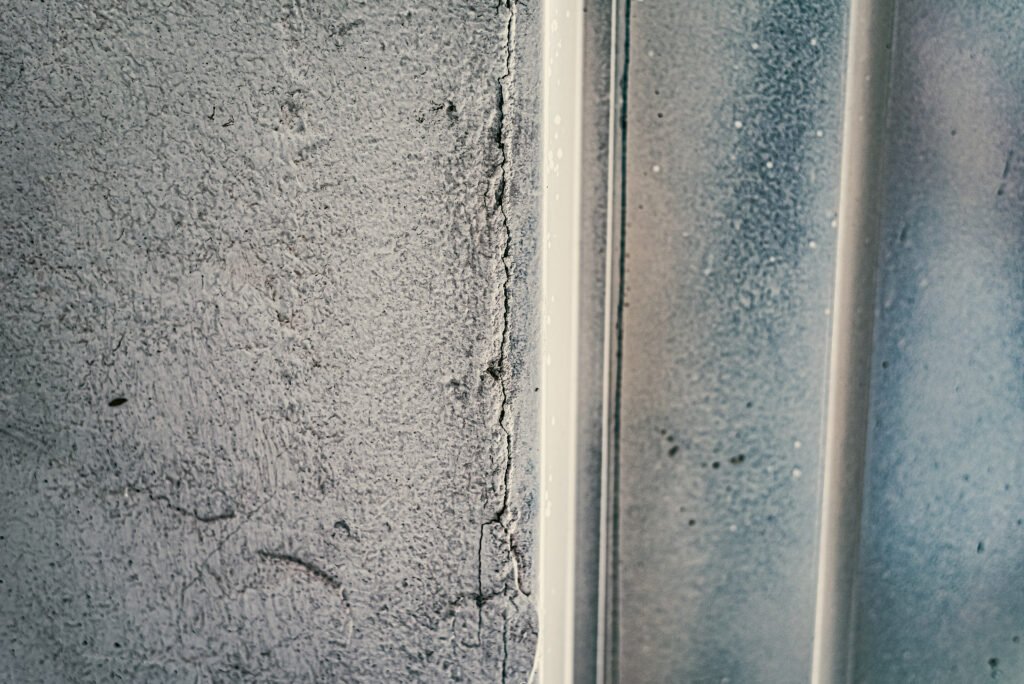
Not all cracks are the same. Hairline surface cracks may have a different cause and significance than large cracks that extend through multiple areas.
Homeowners should pay particular attention to:
- Widening cracks
- Recurring cracks
- Cracks around windows and doors
- Horizontal cracks
- Stair-step cracks
- Cracks accompanied by staining
- Cracks with loose or bulging stucco
The location, size, pattern, and progression of a crack can provide useful information when determining the appropriate repair approach.
Can Weather Damage Be Prevented?
Weather exposure cannot be completely eliminated, but homeowners can take steps to reduce the potential for weather-related deterioration.
Maintain Gutters
Gutters should be kept clear so rainwater can flow properly.
Check Downspouts
Downspouts should direct water away from exterior walls and foundations.
Inspect Sealants
Sealants around windows, doors, and penetrations should be inspected periodically for deterioration.
Control Irrigation
Sprinklers should not continuously spray stucco walls.
Maintain Roof Drainage
Roofing and flashing systems should be maintained to help prevent water from reaching vulnerable wall areas.
Repair Damage Promptly
Small cracks or damaged areas should not automatically be ignored. Professional evaluation can determine whether repair is necessary.
How to Maintain Stucco During Los Angeles Weather
Los Angeles homeowners can establish a simple exterior maintenance routine.
Walk around the property periodically and inspect the stucco for changes.
Look for new cracks, stains, holes, bulging sections, deteriorated sealants, and missing material.
After periods of significant rain, inspect areas around windows, doors, roof transitions, and exterior penetrations.
Also check gutters, downspouts, and drainage areas to ensure water is being directed away from the building.
Routine maintenance does not eliminate the need for professional repair, but it can help identify problems earlier.
When Weather Damage Requires Stucco Repair
Some weather-related changes may be cosmetic, while others require professional attention.
Consider contacting a stucco contractor when you notice:
- Large or spreading cracks
- Repeated cracking
- Water stains
- Bulging stucco
- Loose sections
- Crumbling areas
- Exposed lath
- Missing stucco
- Significant discoloration
- Moisture around windows or doors
A professional evaluation can help determine whether the issue is limited to the stucco surface or extends into the underlying wall assembly.
Stucco Repair After Water Damage
If weather exposure has contributed to water intrusion, repairing only the visible stucco may not be enough.
The damaged section may need to be opened so the underlying materials can be evaluated.
Depending on the condition, repairs may involve:
- Removing damaged stucco
- Inspecting the lath
- Addressing damaged substrate
- Repairing weather-resistant materials
- Correcting flashing or drainage problems
- Replacing damaged stucco
- Matching the existing texture
The exact process depends on the source and extent of the damage.
Weather and Stucco Texture
Weather exposure can gradually change the appearance of an exterior finish.
Sun, moisture, dirt, and age can cause older stucco to look different from newly installed material.
This can make texture and color matching more challenging during repairs.
Magic Lath & Plaster provides texture-matching services designed to help repaired areas blend with existing stucco.
How Professional Stucco Repair Helps
Professional stucco repair can address both visible damage and potential underlying problems.
A contractor can evaluate the condition of the affected area, determine whether moisture or movement may be involved, remove damaged material when necessary, and restore the exterior finish.
Proper preparation and texture matching can also help create a more consistent finished appearance.
Professional Stucco Services in Los Angeles
Magic Lath & Plaster provides professional stucco and plaster services for residential and commercial properties throughout Los Angeles County.
Our services include:
- Stucco repair
- Commercial stucco
- New stucco installation
- Re-stucco
- Lath and plaster
- Exterior finishes
- Texture matching
- Venetian plaster
Whether your property has weather-related cracking, water damage, deteriorated stucco, or requires a new exterior finish, our team can help evaluate the appropriate solution.
Stucco Services Throughout Los Angeles County
Magic Lath & Plaster serves homeowners and commercial property owners throughout Los Angeles County and surrounding communities.
Our service areas include:
Properties throughout the region can have different construction methods, stucco textures, ages, and exposure conditions. A property-specific evaluation is therefore important when determining the appropriate repair approach.
When Should You Inspect Your Stucco?
Homeowners should periodically inspect their exterior throughout the year.
It is especially useful to inspect stucco:
- After periods of heavy rain
- After severe weather
- When new cracks appear
- When stains develop
- When sealants begin deteriorating
- Before major exterior renovations
- When purchasing an older property
Early evaluation can help identify potential problems before they become more extensive.
Does Weather Shorten the Life of Stucco?
Weather can contribute to the normal aging of a stucco exterior, but weather exposure alone does not determine its lifespan.
Installation quality, moisture management, maintenance, material selection, building movement, and exposure conditions all contribute to long-term performance.
A properly installed and maintained stucco system can remain functional for many years despite normal weather exposure.
The key is identifying and addressing problems when they occur.
Final Thoughts
Weather affects stucco exteriors through sunlight, rain, temperature changes, wind, and moisture. Over time, these conditions can contribute to cracking, staining, deterioration, and water-related problems.
Los Angeles homeowners can help protect their stucco by maintaining gutters and downspouts, monitoring sealants, controlling irrigation, inspecting exterior walls, and addressing significant damage promptly.
When weather-related damage occurs, the appropriate repair depends on its cause and extent. A localized crack may require a relatively small repair, while moisture intrusion or widespread deterioration may require more extensive work.
Magic Lath & Plaster provides stucco repair, commercial stucco, new stucco installation, re-stucco, lath and plaster, exterior finishes, texture matching, and Venetian plaster services throughout Los Angeles County.
If your stucco has developed cracks, stains, water damage, or other weather-related problems, a professional evaluation can help determine the condition of the exterior and the appropriate next step.
Frequently Asked Questions About Weather and Stucco
1. How does weather affect stucco?
Sunlight, rain, temperature changes, wind, and moisture can contribute to normal aging, cracking, staining, and deterioration of stucco. Proper installation and maintenance can help manage these effects.
2. Can rain damage stucco?
Properly installed stucco is designed for exterior exposure, but water can become a problem when it enters through cracks, failed sealants, flashing problems, or other openings. Persistent moisture can damage materials behind the stucco.
3. Does hot weather cause stucco to crack?
Temperature changes can cause exterior materials to expand and contract. Over time, repeated movement may contribute to cracking. The size, location, and pattern of the crack should be considered when determining its cause.
4. How can I protect my stucco from weather damage?
Maintain gutters and downspouts, inspect sealants, control irrigation, maintain roof drainage, monitor cracks, and address significant damage promptly. Regular exterior inspections can help identify problems early.
5. When should I call a stucco contractor after weather damage?
Consider professional evaluation when you notice large or recurring cracks, water stains, bulging or loose stucco, crumbling material, missing sections, or other signs that moisture may have entered behind the exterior.