Stucco Water Intrusion is a serious concern for homeowners because moisture that gets behind an exterior finish can affect more than the visible stucco surface. Stucco is designed to perform as part of an exterior wall system, but cracks, damaged sealants, flashing problems, poor drainage, and other conditions can allow water to reach areas that should remain protected.
Los Angeles homeowners may encounter water-related stucco problems after periods of heavy rain, around windows and doors, near roof transitions, or in areas where drainage directs water toward exterior walls. Identifying moisture problems early can help homeowners determine whether a localized stucco repair is sufficient or whether additional work is needed behind the exterior finish.
Water intrusion does not always produce obvious signs immediately. A small stain or crack may be the first visible indication of a problem that has developed behind the wall. Understanding the causes, warning signs, prevention methods, and repair process can help property owners protect their homes and commercial buildings.
Stucco Water Intrusion
Stucco water intrusion occurs when moisture gets through or around the exterior wall system and reaches areas behind the visible stucco finish.
Properly designed stucco assemblies include components intended to manage water and protect the building. Depending on the construction, these may include weather-resistant barriers, flashing, drainage provisions, lath, sealants, and properly detailed openings.
Problems can develop when water finds a pathway through cracks, deteriorated sealants, roof transitions, windows, doors, penetrations, or other vulnerable areas.
The visible stucco may appear relatively intact while moisture affects materials underneath. This is why water-related stucco problems should be evaluated based on both the visible exterior and the surrounding wall conditions.
What Causes Stucco Water Intrusion?
Several conditions can allow water to reach areas behind stucco.
Cracked Stucco
Cracks are one potential pathway for moisture.
Not every crack results in water intrusion, but larger, widening, or recurring cracks should be evaluated, particularly when they are accompanied by staining or deterioration.
Failed Sealants
Sealants around windows, doors, vents, pipes, and other penetrations can deteriorate over time.
Once gaps develop, water may be able to enter around the opening.
Damaged Flashing
Flashing is designed to help direct water away from vulnerable areas.
Improperly installed, damaged, or deteriorated flashing can contribute to water intrusion around windows, doors, roofs, and other transitions.
Poor Drainage
Water should be directed away from exterior walls.
Clogged gutters, damaged downspouts, improper grading, or drainage problems can result in repeated water exposure.
Roof-to-Wall Transitions
Areas where the roof meets an exterior wall require careful water management.
Problems in these areas can allow moisture to travel toward or behind the stucco.
Plumbing and Exterior Penetrations
Pipes, vents, electrical components, and other penetrations can create potential pathways for water when they are not properly sealed.
Signs of Stucco Water Intrusion
Water intrusion is not always immediately visible, but several warning signs can indicate a potential problem.
Dark or Brown Stains
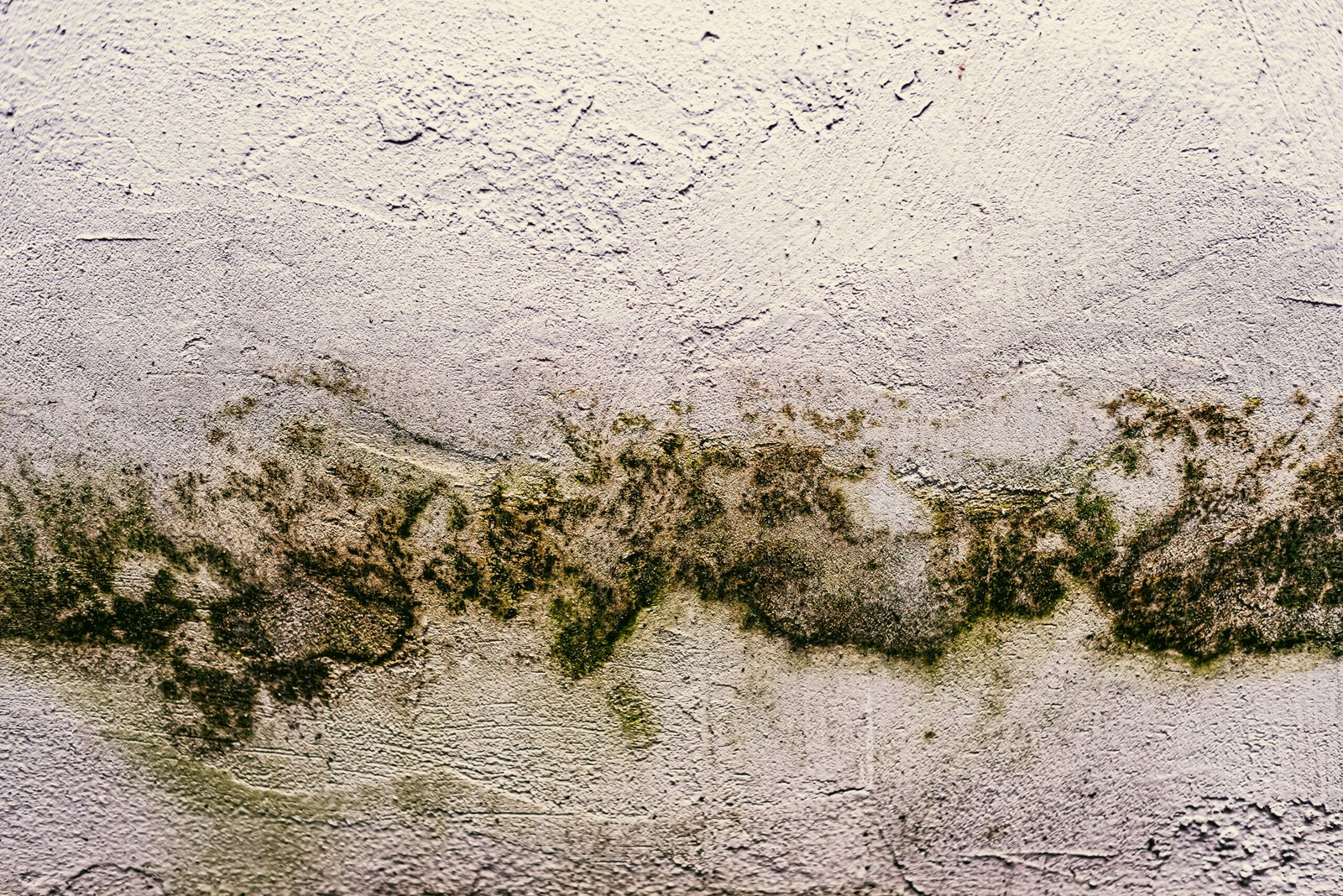
Persistent dark, brown, or discolored areas may indicate moisture exposure.
Some stains can have cosmetic causes, but persistent staining should be investigated when it occurs with other signs of damage.
Bulging Stucco
Stucco that appears to bulge or separate from the wall may indicate deterioration behind the surface.
Moisture can contribute to changes in the materials underneath the exterior.
Soft or Crumbling Areas
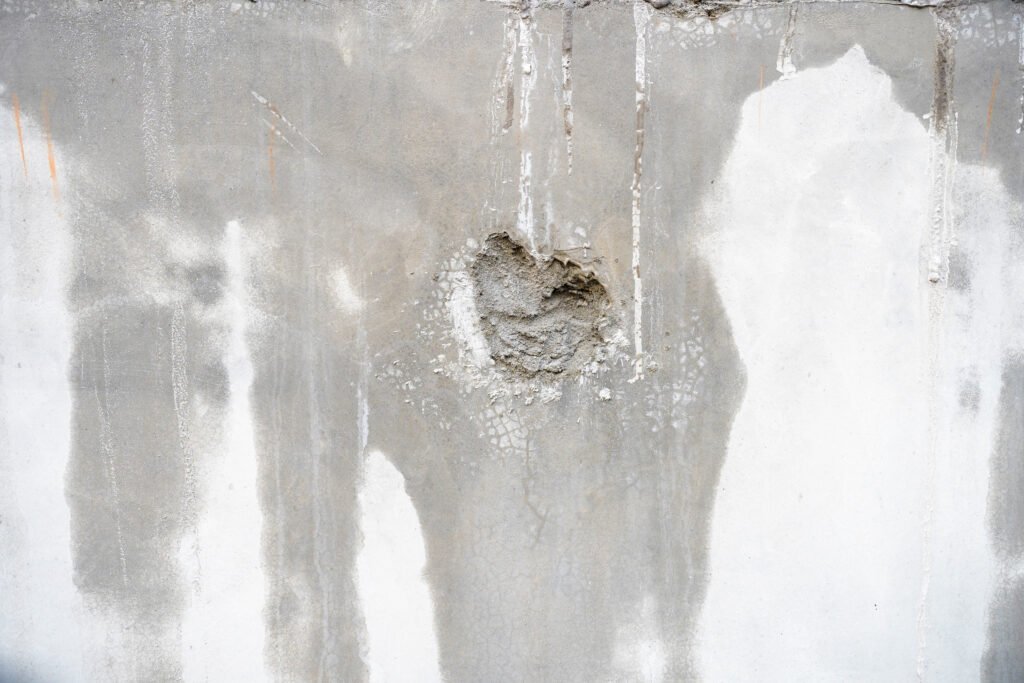
Stucco that becomes soft, brittle, or crumbly may have experienced significant deterioration.
Damaged sections may need to be removed so the underlying wall can be inspected.
Peeling or Damaged Finishes
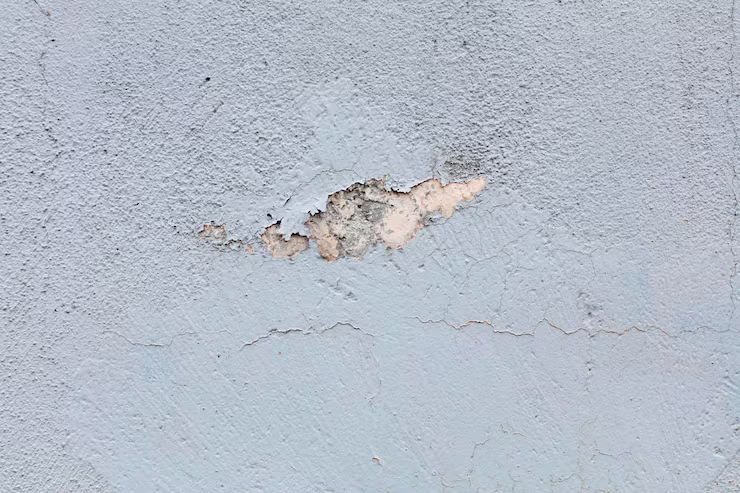
Changes in the finish, including peeling or deteriorating coatings, can sometimes be associated with moisture.
Repeated Cracks
If the same area repeatedly cracks after repair, the underlying cause should be evaluated.
Damage Around Windows and Doors
Windows and doors are common locations where water-management details are important.
Staining, cracking, or deterioration around openings should be inspected carefully.
Why Stucco Water Intrusion Should Not Be Ignored
A visible stucco problem may represent only part of the damage.
If water reaches materials behind the stucco and remains present, it may contribute to deterioration of components such as:
- Lath
- Sheathing
- Framing
- Weather-resistant barriers
- Insulation
- Other building materials
The extent of damage depends on the amount of moisture, how long it has been present, the construction of the wall, and other site conditions.
Prompt evaluation can help determine whether the problem is limited to the exterior surface or extends deeper into the wall assembly.
How Weather Contributes to Water Intrusion
Los Angeles has a generally dry climate, but seasonal rainfall can still expose exterior walls to significant moisture.
Heavy rain combined with wind can drive water toward vulnerable areas.
Temperature changes and prolonged sunlight can also contribute to deterioration of sealants and exterior finishes over time.
After periods of heavy rain, homeowners should pay particular attention to windows, doors, roof transitions, exterior penetrations, and areas with existing cracks.
How to Prevent Stucco Water Intrusion
Water intrusion cannot always be completely prevented, but homeowners can reduce potential risks through regular maintenance.
Maintain Gutters
Keep gutters clear so rainwater can flow properly.
Overflowing gutters can repeatedly expose stucco walls to water.
Check Downspouts
Downspouts should direct water away from the exterior wall and foundation.
Inspect Sealants
Look around windows, doors, vents, pipes, and other penetrations for deteriorated sealants.
Maintain Roof Drainage
Roofing and flashing should be maintained so water is directed away from vulnerable wall areas.
Control Irrigation
Sprinklers should not continuously spray exterior walls.
Repair Cracks
Significant cracks should be evaluated and repaired appropriately rather than repeatedly covered without determining the cause.
Stucco Water Intrusion Around Windows and Doors
Windows and doors require careful attention because they create openings within the exterior wall.
Water-management components around these openings help direct moisture away from the building.
If sealants deteriorate or flashing is damaged, water may enter around the opening.
Homeowners should look for:
- Staining
- Cracking
- Gaps
- Deteriorated sealants
- Soft areas
- Discoloration
- Damage beneath windows
Problems around openings should be evaluated before they become more extensive.
How Professionals Repair Stucco Water Damage
The repair process depends on the source and extent of the moisture problem.
Step 1: Inspect the Exterior
The affected area and surrounding stucco are evaluated.
Step 2: Identify the Likely Water Source
The contractor looks for potential pathways involving cracks, sealants, flashing, drainage, roof transitions, windows, doors, or other openings.
Step 3: Remove Damaged Stucco
If necessary, damaged material is removed to inspect the layers beneath.
Step 4: Evaluate Underlying Materials
The lath, substrate, weather-resistant components, and other materials may be evaluated for signs of deterioration.
Step 5: Correct the Source
Where appropriate, the underlying moisture-management problem should be addressed before the stucco is restored.
Step 6: Replace Damaged Materials
Affected components may need repair or replacement depending on their condition.
Step 7: Restore the Stucco
New stucco is installed and finished to blend with the existing exterior.
Step 8: Match the Texture
Texture matching helps create a more consistent appearance between the repaired area and surrounding stucco.
Why Texture Matching Matters
Stucco finishes vary significantly from property to property.
A repair may need to match a smooth, sand, lace, dash, or custom finish.
Older stucco can also look different from new material because of years of sunlight, weather exposure, dirt, and aging.
Professional texture matching can help repaired sections blend with the existing exterior as closely as practical.
Can Water-Damaged Stucco Be Repaired?
In many cases, localized water damage can be repaired.
However, the appropriate approach depends on the extent of the damage and whether the underlying wall materials remain suitable for restoration.
Minor localized problems may require targeted repairs, while widespread deterioration may require more extensive work.
The source of the moisture should also be addressed to reduce the likelihood of recurring damage.
When Is Re-Stucco Necessary?
Re-stucco may be considered when deterioration is widespread or when repeated localized repairs are no longer practical.
Potential reasons include:
- Extensive cracking
- Widespread water damage
- Numerous previous repairs
- Significant surface deterioration
- Major texture problems
- Deteriorated underlying components
A professional evaluation can help determine whether localized repair or a larger project is appropriate.
Professional Stucco Repair in Los Angeles
Magic Lath & Plaster provides professional stucco and plaster services for residential and commercial properties throughout Los Angeles County.
Our services include:
- Stucco repair
- Commercial stucco
- New stucco installation
- Re-stucco
- Lath and plaster
- Exterior finishes
- Texture matching
- Venetian plaster
If your property has water stains, cracking, damaged stucco, or other signs of potential moisture intrusion, our team can help evaluate the condition and determine the appropriate repair approach.
Stucco Services Throughout Los Angeles County
Magic Lath & Plaster serves homeowners and commercial property owners throughout Los Angeles County and surrounding communities.
Our service areas include:
Every property has different construction details, exterior finishes, age, and exposure conditions. A property-specific evaluation is important when determining the right approach to water-related stucco problems.
When Should You Call a Stucco Contractor?
Consider professional evaluation if you notice:
- Persistent water stains
- Large or recurring cracks
- Bulging stucco
- Soft or crumbling material
- Missing stucco
- Damage around windows and doors
- Deteriorated sealants
- Exposed lath
- Repeated repairs
- Signs of moisture inside the property
Early evaluation can help determine whether the problem is limited to the surface or requires attention to the underlying wall assembly.
How to Maintain Stucco After Water Damage Repair
After a water-related repair, ongoing maintenance remains important.
Inspect repaired areas periodically for new cracks, staining, or changes in the finish.
Keep gutters and downspouts clean.
Monitor sealants around windows, doors, and penetrations.
Make sure irrigation does not continuously spray the exterior.
Maintain roof drainage and address leaks promptly.
These steps can help homeowners monitor the exterior and identify potential problems early.
Final Thoughts
Stucco water intrusion can affect more than the visible exterior finish. Cracks, failed sealants, damaged flashing, poor drainage, roof transitions, windows, doors, and other openings can create pathways for moisture to reach the wall assembly.
Homeowners should pay attention to persistent stains, bulging, crumbling stucco, recurring cracks, and damage around openings. These signs do not automatically confirm extensive water damage, but they can justify professional evaluation.
The appropriate repair depends on the source and extent of the problem. Localized damage may be repairable, while widespread deterioration may require more extensive restoration or re-stucco.
Magic Lath & Plaster provides stucco repair, commercial stucco, new stucco installation, re-stucco, lath and plaster, exterior finishes, texture matching, and Venetian plaster services throughout Los Angeles County.
If you suspect water has entered behind your stucco, professional evaluation can help determine the condition of the exterior, identify potential sources of moisture, and establish an appropriate repair plan.
Frequently Asked Questions About Stucco Water Intrusion
1. What causes water intrusion behind stucco?
Common causes include cracks, deteriorated sealants, damaged or improperly detailed flashing, poor drainage, roof-to-wall problems, windows, doors, and other exterior penetrations.
2. What are the signs of water intrusion in stucco?
Potential signs include persistent staining, discoloration, bulging, soft or crumbling areas, recurring cracks, damaged finishes, and deterioration around windows or doors. These signs should be professionally evaluated to determine their cause.
3. Can water-damaged stucco be repaired?
Yes, localized water-related stucco damage can often be repaired. The repair may require addressing damaged stucco and potentially affected materials underneath. The source of the moisture should also be corrected.
4. How can I prevent water from getting behind my stucco?
Maintain gutters and downspouts, inspect sealants, maintain roof drainage and flashing, control irrigation, monitor cracks, and address exterior damage promptly. Regular inspections can help identify potential water-entry points.
5. Does Magic Lath & Plaster provide stucco water damage repair in Los Angeles?
Magic Lath & Plaster provides stucco repair, commercial stucco, new stucco installation, re-stucco, lath and plaster, exterior finishes, texture matching, and Venetian plaster services throughout Los Angeles County.