
Professional Stucco Repair can help restore damaged, cracked, stained, or deteriorating exterior walls while addressing problems that may affect the underlying wall system. Stucco is a durable and attractive exterior finish, but it can eventually develop issues caused by moisture, building movement, weather exposure, impact, age, improper installation, or inadequate maintenance.
For Los Angeles homeowners, addressing stucco problems early can help prevent minor exterior damage from becoming a more extensive repair project. A small crack may be cosmetic, but recurring cracks, water stains, bulging areas, or crumbling material can sometimes indicate a deeper issue.
Professional stucco repair involves more than simply covering damaged areas. A proper repair should consider the cause of the damage, condition of the surrounding stucco, underlying materials, moisture management, and the appearance of the finished repair.
Professional Stucco Repair
Professional stucco repair is the process of evaluating and restoring damaged areas of a stucco exterior. Depending on the condition of the property, repairs may involve removing damaged stucco, inspecting the underlying wall assembly, repairing affected materials, installing replacement stucco, and matching the existing texture.
The exact repair process depends on the type and extent of damage.
Some projects involve small localized repairs, while others may require more extensive restoration or re-stucco.
A professional evaluation can help determine whether the problem can be addressed with a localized repair or whether additional work is necessary.
Common Signs Your Stucco Needs Professional Repair
Stucco damage can appear in several different forms. Homeowners should pay attention to changes in the exterior rather than waiting until visible damage becomes severe.
Cracks
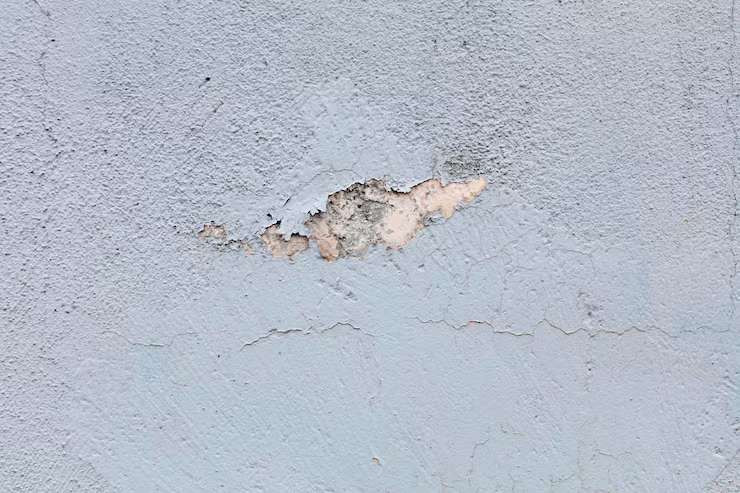
Cracks are among the most common stucco problems.
Small hairline cracks may occur from normal movement or environmental exposure. Larger, widening, or recurring cracks should be evaluated because they may have different causes.
Cracks around windows, doors, corners, and transitions can be particularly important to monitor.
Water Stains
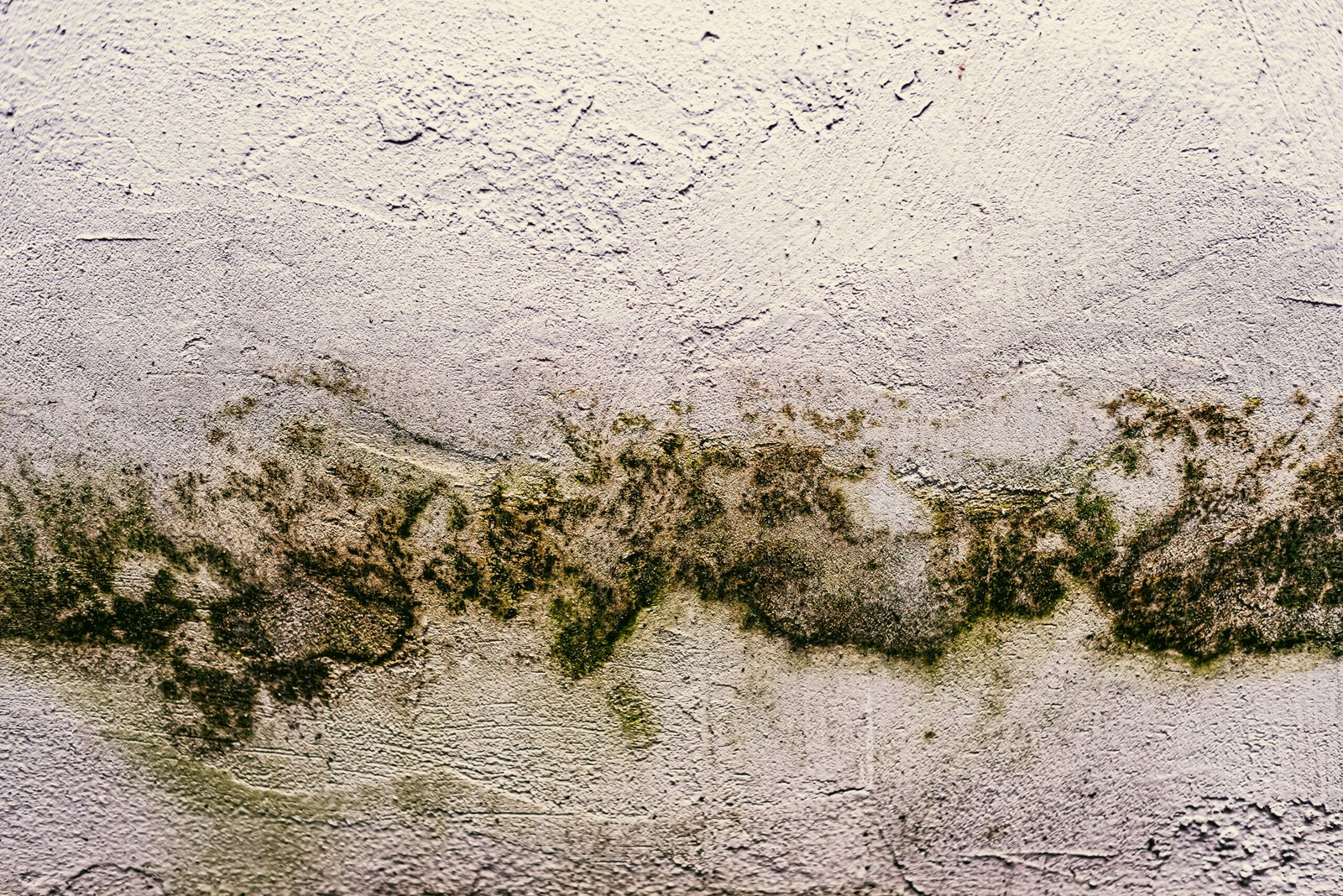
Brown, dark, or persistent stains may indicate moisture exposure.
Water can enter through damaged stucco, deteriorated sealants, windows, doors, roof transitions, or other openings.
A stain should not automatically be assumed to be cosmetic without evaluating the surrounding area.
Bulging Stucco
Stucco that appears to bulge or separate from the wall can indicate a problem behind the exterior finish.
Moisture intrusion or deterioration of underlying materials may contribute to this condition.
Crumbling Stucco
Crumbling or soft areas can indicate significant deterioration.
Damaged material may need to be removed before new stucco can be properly installed.
Missing Stucco
Holes, impact damage, and missing sections expose the underlying wall system to the elements.
These areas should generally be repaired rather than left exposed.
Repeated Repairs
If the same area continues to crack or deteriorate after repair, the underlying cause should be investigated.
Repeated surface repairs may not solve problems related to moisture, movement, or installation details.
What Causes Stucco Damage?
Understanding why stucco is damaged is an important part of professional repair.
Moisture Intrusion
Water is a common concern for exterior wall systems.
Moisture may enter through cracks, failed sealants, flashing problems, roof transitions, windows, doors, plumbing penetrations, or other openings.
If water becomes trapped behind the stucco, it can contribute to deterioration of materials underneath.
Building Movement
Buildings naturally experience some movement.
Settlement, thermal expansion, seismic activity, and other factors can contribute to cracking.
The location and pattern of cracks can help determine whether additional evaluation is needed.
Weather Exposure
Sunlight, temperature changes, wind, and rain can gradually affect exterior finishes.
Los Angeles homes experience substantial sun exposure, while seasonal rainfall can introduce additional moisture.
Impact Damage
Stucco can be damaged by impacts from landscaping equipment, vehicles, construction activity, or other objects.
Localized impact damage can often be repaired if the surrounding wall system remains in good condition.
Age
Older stucco may develop deterioration simply because it has experienced years of environmental exposure.
Age alone does not necessarily mean stucco needs replacement, but older exteriors should be inspected periodically.
How Professional Stucco Repair Works
The repair process varies depending on the condition of the property, but a professional project generally begins with an evaluation.
Step 1: Inspect the Damage
The affected area is examined to determine the visible extent of the problem.
The surrounding stucco should also be evaluated because damage may extend beyond what is immediately visible.
Step 2: Determine the Cause
The contractor considers potential causes such as moisture, movement, impact, installation problems, or environmental exposure.
Identifying the cause helps determine the appropriate repair method.
Step 3: Remove Damaged Material
If the stucco is severely deteriorated, affected material may need to be removed.
This can allow the contractor to inspect the materials underneath.
Step 4: Address Underlying Problems
If damaged lath, substrate, weather-resistant materials, or other components are discovered, those issues may need to be addressed before the stucco is replaced.
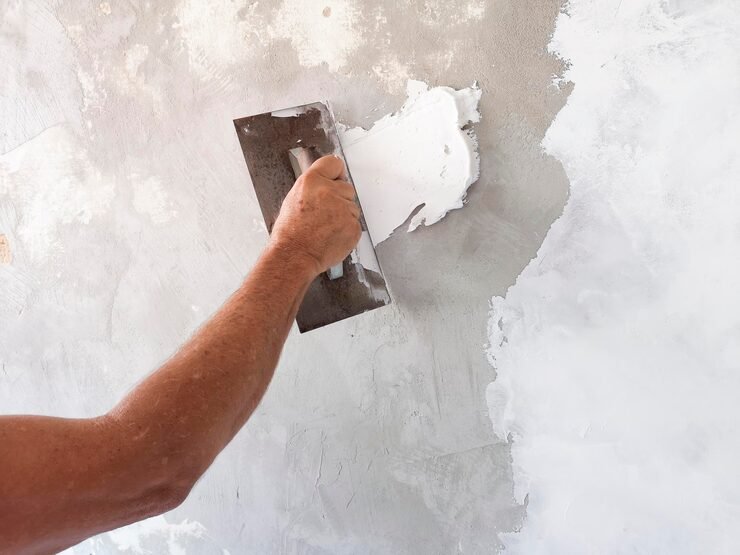
Step 5: Install New Stucco
Replacement material is installed according to the requirements of the existing wall system.
Step 6: Match the Existing Texture
Texture matching is an important part of a quality stucco repair.
The repaired area should blend as closely as possible with the surrounding exterior.
Step 7: Complete the Finish
The repaired section is finished and evaluated for consistency with the surrounding wall.
Why Texture Matching Matters
Stucco is available in many textures and finishes.
Common examples include:
- Smooth
- Sand
- Lace
- Dash
- Custom textures
Older stucco can also change appearance over time because of weather exposure, paint, dirt, and aging.
This means that simply applying new material may not create a visually consistent repair.
Professional texture matching can help the repaired section blend with the existing exterior.
Professional Stucco Repair vs. DIY Repairs
Some homeowners consider repairing small stucco cracks themselves.
While minor surface maintenance may seem straightforward, identifying the cause of damage can be more complicated.
A DIY patch may improve the appearance temporarily without addressing moisture intrusion or other underlying problems.
Professional repair can be particularly valuable when:
- Cracks are large or recurring
- Water stains are present
- Stucco is bulging
- Material is crumbling
- Damage extends over a large area
- The underlying wall may be affected
- Texture matching is important
A professional evaluation can help determine the appropriate repair scope.
How Much Does Professional Stucco Repair Cost?
Stucco repair costs vary from project to project.
Factors that can affect pricing include:
- Size of the damaged area
- Number of repair areas
- Accessibility
- Stucco texture
- Labor requirements
- Material costs
- Extent of water damage
- Condition of the lath
- Condition of the substrate
- Required preparation
- Texture matching
- Need for additional repairs
A small cosmetic repair can have very different requirements from a project involving widespread deterioration or water damage.
For this reason, homeowners should request a detailed estimate based on an inspection of the actual property.
When Is Re-Stucco Better Than Repair?
Localized damage does not necessarily require complete replacement.
However, re-stucco may be considered when deterioration is widespread or when the existing exterior has experienced numerous repairs.
Potential reasons for considering re-stucco include:
- Extensive cracking
- Widespread deterioration
- Significant moisture damage
- Numerous previous patches
- Major texture problems
- Deteriorated underlying components
The decision should be based on the condition of the existing system rather than age alone.
Professional Stucco Repair for Water Damage
Water damage requires particular attention because the visible stucco may not represent the full extent of the problem.
A professional may need to inspect behind the damaged area to determine whether moisture has affected:
- Lath
- Sheathing
- Framing
- Weather-resistant barriers
- Flashing
- Other components
The source of water should also be identified.
Repairing the stucco without correcting the source of moisture can allow the problem to return.
Maintaining Stucco After Professional Repair
Once repairs are completed, regular maintenance can help protect the exterior.
Homeowners should periodically inspect the property for new cracks, stains, holes, loose material, deteriorated sealants, and other changes.
Gutters and downspouts should be maintained so water is directed away from exterior walls.
Irrigation systems should also be positioned to avoid continuously spraying stucco.
Windows, doors, roof transitions, and exterior penetrations should be monitored for potential moisture problems.
Professional Stucco Repair in Los Angeles
Magic Lath & Plaster provides professional stucco and plaster services for residential and commercial properties throughout Los Angeles County.
Our services include:
- Stucco repair
- Commercial stucco
- New stucco installation
- Re-stucco
- Lath and plaster
- Exterior finishes
- Texture matching
- Venetian plaster
Whether your property has a small damaged area or requires more extensive exterior restoration, our services are designed to address a range of stucco and plaster needs.
If you are dealing with cracks, water damage, deteriorating stucco, or damaged exterior finishes, professional evaluation can help determine the appropriate repair approach.
Stucco Services Throughout Los Angeles County
Magic Lath & Plaster serves homeowners and commercial property owners throughout Los Angeles County and surrounding communities.
Our service areas include:
Properties throughout Los Angeles can have different construction methods, stucco textures, ages, and exposure conditions. A property-specific evaluation is therefore important when determining the right repair method.
When Should You Call a Professional Stucco Contractor?
Homeowners should consider professional evaluation when stucco damage is significant, recurring, or associated with possible moisture intrusion.
Contacting a contractor may be appropriate if you notice:
- Large cracks
- Spreading cracks
- Repeated cracking
- Water stains
- Bulging stucco
- Loose material
- Crumbling sections
- Missing stucco
- Exposed underlying materials
- Damage around windows or doors
- Persistent discoloration
Early evaluation can help determine whether the issue requires a simple repair or more extensive work.
Benefits of Professional Stucco Repair
Professional repair can provide several practical benefits.
Addresses the Visible Damage
Damaged sections can be restored to improve the exterior appearance.
Helps Identify Underlying Problems
A professional inspection can reveal conditions that may not be visible from the exterior surface.
Improves Texture Consistency
Proper texture matching can help repaired areas blend with existing stucco.
Helps Protect the Exterior
Repairing damaged areas can help maintain the protective function of the exterior wall system.
Supports Long-Term Maintenance
Addressing problems appropriately can make it easier to monitor the exterior going forward.
Final Thoughts
Professional stucco repair is an important part of maintaining a durable and attractive exterior. Cracks, stains, holes, bulging, and deteriorating material can result from weather exposure, moisture, building movement, impact, age, or installation issues.
The appropriate repair depends on the cause and extent of the damage. Localized problems may require targeted repairs, while widespread deterioration or significant water damage may call for more extensive restoration or re-stucco.
Magic Lath & Plaster provides stucco repair, commercial stucco, new stucco installation, re-stucco, lath and plaster, exterior finishes, texture matching, and Venetian plaster services throughout Los Angeles County.
If your property has damaged or deteriorating stucco, professional evaluation can help determine the condition of the exterior and identify the appropriate next step.
Frequently Asked Questions About Professional Stucco Repair
1. When should I hire a professional for stucco repair?
Professional repair is recommended when you notice large or recurring cracks, water stains, bulging, crumbling material, missing stucco, or damage that appears to extend behind the exterior finish.
2. Can professional stucco repair fix water damage?
It can address damaged stucco and related components, but the source of the water intrusion should also be identified and corrected. Repairing only the visible surface may not resolve an ongoing moisture problem.
3. How much does professional stucco repair cost?
The cost depends on the size and location of the damage, accessibility, stucco texture, labor, materials, underlying damage, and texture-matching requirements. A property-specific inspection and estimate provide a more accurate cost.
4. Can repaired stucco be matched to the existing texture?
Yes. Professional texture matching can help repaired sections blend with surrounding stucco. The final appearance depends on the original texture, age, color, weather exposure, and condition of the existing finish.
5. Does Magic Lath & Plaster provide stucco repair in Los Angeles?
Yes. Magic Lath & Plaster provides stucco repair, commercial stucco, new stucco installation, re-stucco, lath and plaster, exterior finishes, texture matching, and Venetian plaster services throughout Los Angeles County.