
Stucco Maintenance Guide information can help Los Angeles homeowners protect one of the most important parts of their property’s exterior. Stucco can provide an attractive, durable finish for residential and commercial buildings, but like any exterior material, it requires regular inspection and maintenance.
Sun exposure, temperature changes, seasonal rain, moisture, building movement, landscaping, and normal aging can all affect stucco over time. Small cracks or deteriorated sealants may seem minor, but if they allow moisture to reach the wall assembly, the resulting damage can become more extensive.
Routine stucco maintenance does not mean that homeowners need to constantly repair their exterior. Instead, it involves regularly inspecting the property, keeping water away from vulnerable areas, maintaining surrounding systems, and addressing significant problems before they become larger.
For Los Angeles homeowners, a practical maintenance routine can help preserve the appearance and performance of stucco while making it easier to identify when professional repair is needed.
Stucco Maintenance Guide
A proper stucco maintenance routine begins with regular visual inspections. Homeowners should walk around the exterior periodically and look for changes in the surface.
Important areas to inspect include:
- Exterior walls
- Windows and doors
- Wall corners
- Roof-to-wall transitions
- Chimneys
- Exterior penetrations
- Areas beneath windows
- Areas near gutters and downspouts
- Sections exposed to irrigation
Look for cracks, stains, holes, loose material, bulging areas, deteriorated sealants, and other changes.
The purpose of an inspection is not necessarily to determine the exact cause of every defect. Instead, it helps identify changes that may require further evaluation.
Why Regular Stucco Maintenance Matters
Stucco is designed to withstand exterior conditions, but no exterior finish is completely maintenance-free.
Routine maintenance can help homeowners identify potential problems before they become more extensive. For example, a small area of damaged sealant may be easier to address than a moisture problem that has affected the materials behind the stucco.
Maintenance can also help preserve the appearance of the property. Dirt, staining, cracks, and damaged areas can make an otherwise well-maintained home appear neglected.
Regular inspections are particularly useful for older homes, properties with previous stucco repairs, and buildings that have experienced water intrusion.
Inspect Stucco for Cracks
Cracks are among the most common issues homeowners notice on stucco exteriors.
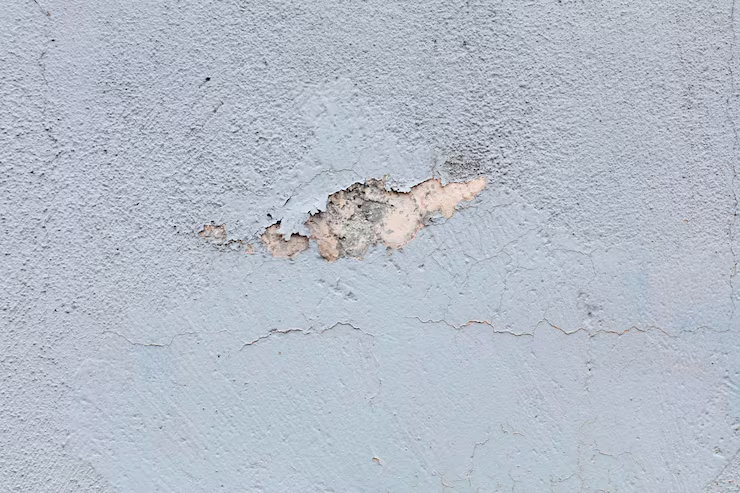
Some small surface cracks can occur naturally as materials move and age. However, not every crack should be treated as purely cosmetic.
Pay attention to cracks that:
- Continue to grow
- Reappear after repair
- Are unusually wide
- Extend across multiple areas
- Appear around windows or doors
- Are accompanied by staining
- Occur with bulging or loose stucco
The location and pattern of a crack can provide useful information about its potential cause.
If you are unsure whether a crack requires repair, professional evaluation can help determine the appropriate next step.
Check for Water Damage
Moisture is one of the most important concerns when maintaining stucco.
Water can reach exterior walls through damaged stucco, failed sealants, windows, doors, roof transitions, flashing problems, plumbing penetrations, or drainage issues.
Possible signs of moisture-related problems include:
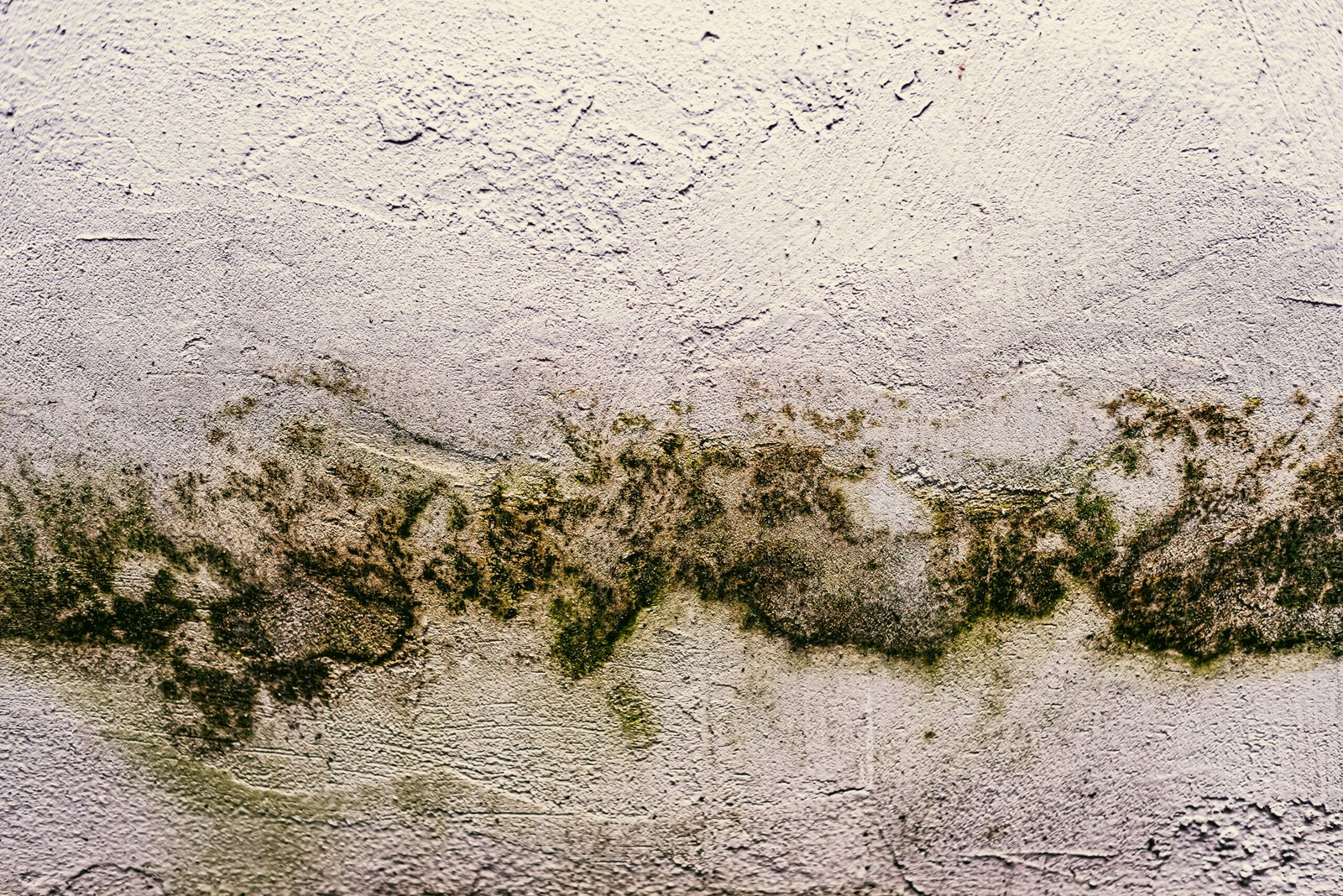
- Dark stains
- Persistent discoloration
- Soft areas
- Bulging stucco
- Crumbling material
- Peeling finishes
- Repeated cracking
- Deterioration around windows
A stain does not automatically mean there is serious hidden damage, but persistent or unexplained moisture should be investigated.
Maintain Gutters and Downspouts
Gutters and downspouts play an important role in protecting stucco.
When gutters become clogged, water may overflow against exterior walls. Downspouts that discharge too close to the building can also contribute to unnecessary moisture exposure.
Homeowners should regularly check that:
- Gutters are clear
- Downspouts are connected properly
- Water flows freely
- Discharge is directed away from the building
- Exterior walls are not receiving concentrated runoff
Proper drainage can reduce repeated moisture exposure to stucco.
Inspect Around Windows and Doors
Windows and doors are important areas to monitor because they create openings in the exterior wall system.
Sealants around these openings can deteriorate over time due to age, sunlight, temperature changes, and normal movement.
Look for:
- Cracked sealant
- Gaps
- Separation
- Damaged flashing
- Staining
- Cracks in surrounding stucco
If you notice moisture around a window or door, the source should be investigated rather than simply covering the visible stain.
Maintain Roof-to-Wall Areas
Roof transitions are another important part of stucco maintenance.
Water from the roof can affect exterior walls when flashing, drainage, or roofing components are damaged or improperly maintained.
Homeowners should pay attention to stucco near:
- Roof edges
- Chimneys
- Roof penetrations
- Dormers
- Parapets
- Other roof-to-wall transitions
Problems in these areas can sometimes appear as stains or deterioration on the stucco below.
Control Irrigation Around Stucco
Landscape irrigation can expose stucco to unnecessary moisture.
Sprinklers should be positioned so they do not continuously spray exterior walls. Plants should also be managed so that dense vegetation does not remain directly against the building.
Excessive moisture from irrigation can contribute to staining and may create conditions that increase the risk of moisture-related deterioration.
Proper landscape drainage is another important consideration.
Clean Stucco Carefully
Stucco can accumulate dust, dirt, algae, mildew, and other surface contaminants over time.
Cleaning methods should be appropriate for the specific stucco finish. Excessive pressure or improper cleaning techniques can damage the surface.
Homeowners should avoid aggressive cleaning methods without understanding how the existing finish will respond.
For delicate textures or older stucco, professional advice may be appropriate before cleaning.
Do Not Ignore Small Repairs
One of the most important principles of stucco maintenance is addressing significant problems before they become more extensive.
A small damaged area may be relatively straightforward to repair. If water enters behind the exterior and remains undetected, however, additional materials may eventually be affected.
This does not mean every hairline crack requires immediate professional repair. Instead, homeowners should monitor changes and seek professional evaluation when damage is significant, recurring, or associated with moisture.
Check Stucco After Heavy Rain
Los Angeles generally experiences a dry climate, but seasonal rainfall can still expose weaknesses in an exterior wall system.
After significant rain, inspect the property for:
- New stains
- Water accumulation
- Damaged sealants
- Cracks
- Leaks around windows
- Deterioration beneath roof areas
- Changes in previously damaged stucco
Pay particular attention to areas that have experienced water problems in the past.
How Often Should Stucco Be Inspected?
There is no single inspection schedule that applies to every property. However, homeowners can incorporate a basic visual inspection into their regular home maintenance routine.
A more detailed inspection may be appropriate when:
- The property is older
- New cracks appear
- Water stains develop
- Previous repairs fail
- The home has experienced water intrusion
- Major exterior renovations are planned
- The property has recently experienced severe weather
Regular observation makes it easier to identify changes in the condition of the exterior.
Stucco Repair vs. Stucco Replacement
Maintenance can reveal problems that require more than routine care.
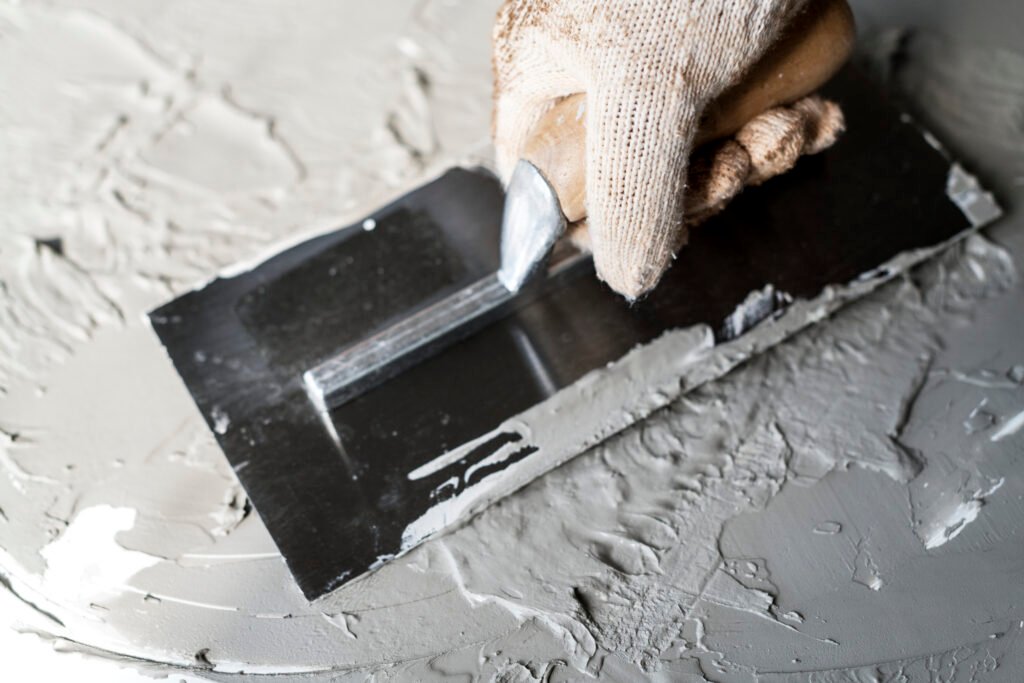
Localized damage may often be repaired without replacing the entire exterior. Repairs can involve removing damaged stucco, addressing underlying problems, applying new material, and matching the existing texture.
More extensive deterioration may require re-stucco or a larger exterior renovation.
Factors that may influence the decision include:
- Amount of damaged stucco
- Extent of cracking
- Moisture damage
- Condition of the underlying wall
- Number of previous repairs
- Age and condition of the existing finish
A professional evaluation can help determine whether repair or replacement is appropriate.
Why Texture Matching Is Important
Stucco maintenance and repair are not only about restoring function. Appearance also matters.
Existing stucco can have a distinctive texture that has changed over time due to weather exposure and aging.
Common finishes include:
- Smooth
- Sand
- Lace
- Dash
- Custom textures
When only part of a wall is repaired, texture matching can help the new material blend with the surrounding surface.
Seasonal Stucco Maintenance Tips for Los Angeles
Spring
Inspect the exterior after the rainy season. Look for new cracks, staining, deteriorated sealants, and areas that may have experienced water intrusion.
Summer
Pay attention to intense sunlight and exterior surface changes. Check irrigation systems to make sure sprinklers are not continuously spraying the stucco.
Fall
Clean gutters and check downspouts before seasonal rainfall. Inspect roof-to-wall areas and exterior sealants.
Winter
After periods of rain, inspect vulnerable areas for water stains, leaks, or deterioration.
A seasonal routine can make stucco maintenance easier to manage throughout the year.
Professional Stucco Maintenance and Repair in Los Angeles
Magic Lath & Plaster provides professional stucco and plaster services for residential and commercial properties throughout Los Angeles County.
Our services include:
- Stucco repair
- Commercial stucco
- New stucco installation
- Re-stucco
- Lath and plaster
- Exterior finishes
- Texture matching
- Venetian plaster
If your property has cracked, stained, damaged, or deteriorating stucco, professional evaluation can help determine whether the issue requires localized repair or more extensive work.
Our team can also assist with exterior finishing projects where appearance, texture, and proper application are important considerations.
Stucco Services Throughout Los Angeles County
Magic Lath & Plaster serves homeowners and commercial property owners throughout Los Angeles County and surrounding communities.
Our service areas include:
Every property has its own construction details, stucco finish, age, exposure, and maintenance history. A property-specific assessment can help determine the appropriate approach to stucco repair or maintenance.
When to Call a Stucco Contractor
Routine maintenance can be handled through regular visual inspections, but some conditions require professional attention.
Consider contacting a stucco contractor when you notice:
- Large or spreading cracks
- Repeated cracking
- Water stains
- Bulging stucco
- Loose sections
- Crumbling material
- Exposed lath
- Significant discoloration
- Persistent moisture
- Damage that returns after previous repairs
Professional evaluation is particularly important when there are signs that moisture may have entered behind the stucco.
Final Thoughts
A consistent stucco maintenance guide can help Los Angeles homeowners protect their exterior and identify potential problems early. Regular inspections, proper drainage, maintained gutters, functioning sealants, controlled irrigation, and timely repairs can all contribute to the long-term condition of a stucco exterior.
Stucco does not necessarily need to be replaced simply because it is old. The condition of the exterior and underlying wall system is more important than age alone.
When damage is localized, repair may be an option. When deterioration is widespread or recurring, a more comprehensive evaluation may be appropriate.
Magic Lath & Plaster provides stucco repair, commercial stucco, new stucco installation, re-stucco, lath and plaster, exterior finishes, texture matching, and Venetian plaster services throughout Los Angeles County.
If you notice cracks, stains, water damage, or other changes to your stucco exterior, addressing the issue early can help you better understand the condition of the property and determine the appropriate next step.
Frequently Asked Questions About Stucco Maintenance
1. How often should stucco be inspected?
Homeowners should visually inspect stucco regularly as part of routine exterior maintenance. Additional inspections are useful after significant rainfall, severe weather, or when new cracks, stains, or other changes appear.
2. What is the best way to maintain stucco?
Regularly inspect for cracks and damage, maintain gutters and downspouts, control irrigation, check window and door sealants, monitor roof transitions, and address significant problems promptly.
3. Can small stucco cracks be ignored?
Some small surface cracks may be minor, but cracks that grow, return after repairs, or occur with staining or moisture should be evaluated. The cause and pattern of the crack are important considerations.
4. How do I know if my stucco has water damage?
Possible signs include persistent staining, discoloration, bulging, soft or crumbling areas, damaged sealants, and recurring cracks. A professional evaluation may be necessary to determine whether moisture has reached the materials behind the stucco.
5. Does Magic Lath & Plaster provide stucco repair in Los Angeles?
Yes. Magic Lath & Plaster provides stucco repair, commercial stucco, new stucco installation, re-stucco, lath and plaster, exterior finishes, texture matching, and Venetian plaster services throughout Los Angeles County.