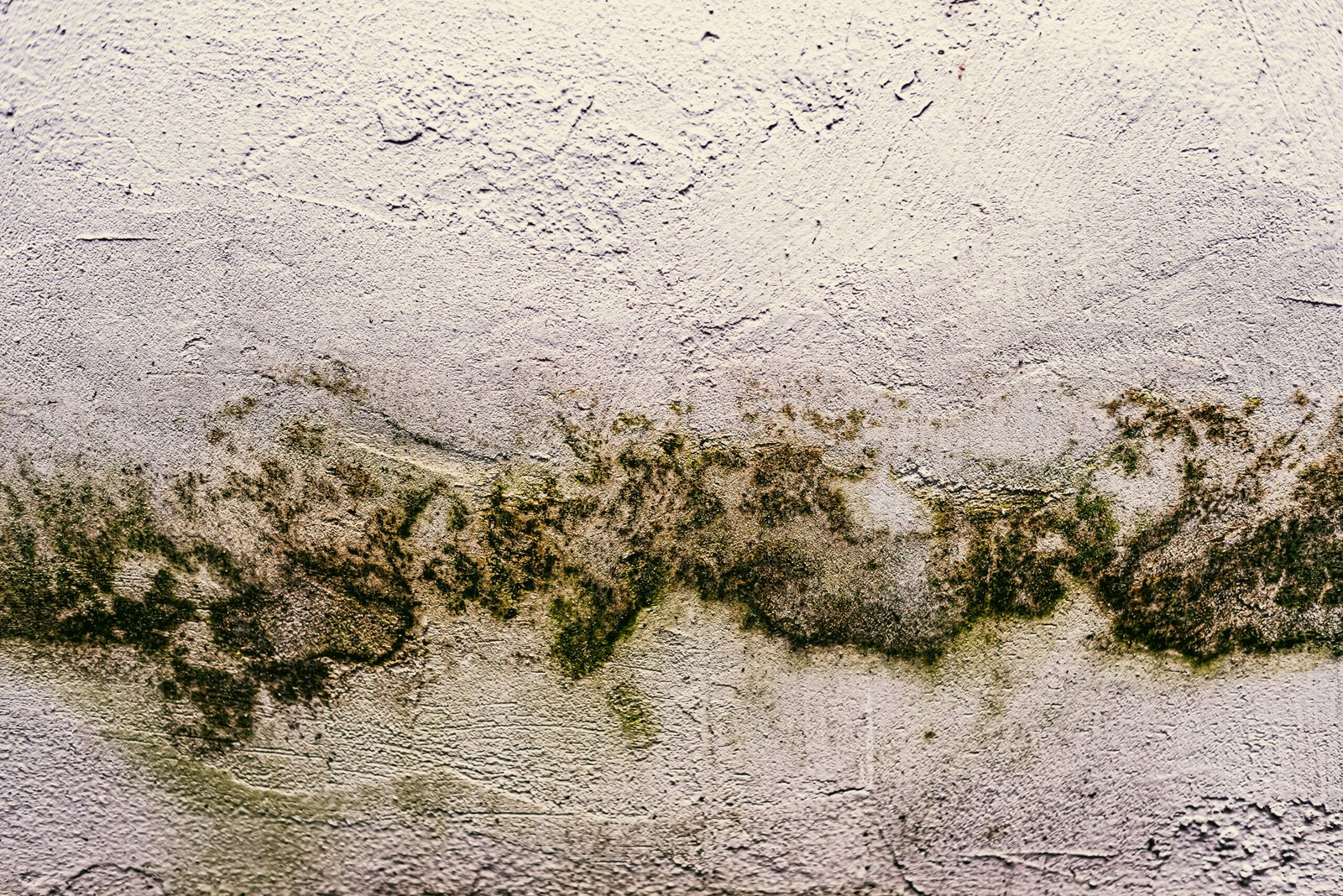
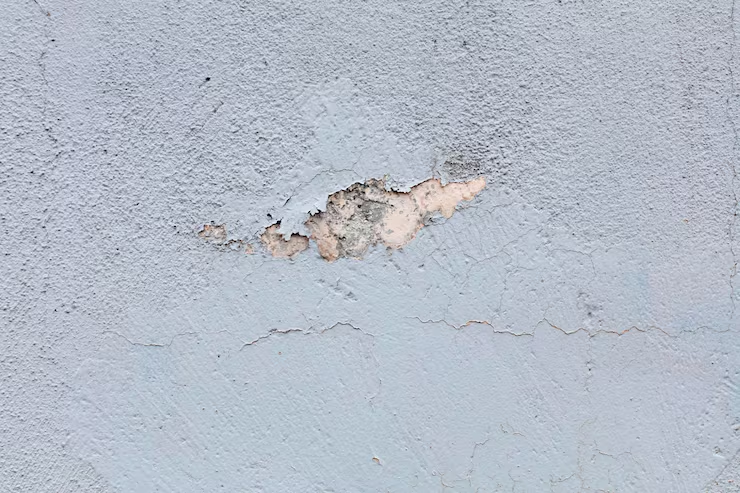
Prevent Cracks in Exterior Stucco is an important goal for homeowners who want to protect the appearance and performance of their exterior walls. Stucco is a durable exterior finish, but like other building materials, it can develop cracks over time because of building movement, temperature changes, moisture, installation problems, impact, and normal aging.
Not every stucco crack can be completely prevented. Buildings naturally move, materials expand and contract, and exterior walls are exposed to changing weather conditions. However, proper installation, moisture management, regular maintenance, and timely repairs can help reduce the likelihood of significant cracking and prevent small problems from becoming larger ones.
For Los Angeles homeowners, maintaining stucco is particularly important because exterior walls experience substantial sunlight, temperature changes, seasonal rainfall, and long-term environmental exposure.
Understanding why stucco cracks and what you can do to reduce the risk can help you protect your property and determine when professional repair is necessary.
Prevent Cracks in Exterior Stucco
Preventing cracks in exterior stucco starts with proper installation and continues with regular maintenance. A stucco system should be installed with appropriate preparation, weather protection, lath, joints, flashing, drainage, and finish application.
Once installed, homeowners can help protect the exterior by monitoring cracks, maintaining drainage systems, checking sealants, controlling irrigation, and addressing water problems promptly.
The goal is not simply to hide visible cracks. It is to identify potential causes and maintain the exterior wall system so that minor issues do not develop into more extensive damage.
What Causes Exterior Stucco to Crack?
Before learning how to prevent cracks, it helps to understand why they occur.
Building Movement
Buildings naturally experience some movement. Settlement, thermal expansion, seismic activity, and other forms of movement can create stress within an exterior wall system.
Some minor cracking may occur as a result of normal movement, while larger or recurring cracks may require further evaluation.
Temperature Changes
Stucco and other exterior materials expand when heated and contract as temperatures decrease.
Repeated expansion and contraction can create stress over time.
Los Angeles homes receive significant sunlight, and walls with prolonged exposure can experience substantial temperature changes throughout the day.
Moisture
Water can contribute to stucco deterioration and cracking.
Moisture may enter through cracks, failed sealants, damaged flashing, roof transitions, windows, doors, or other openings.
If moisture reaches materials behind the stucco, it can contribute to deterioration that may eventually affect the visible exterior.
Improper Installation
Poor installation can increase the risk of cracking.
Problems involving lath, substrate preparation, joints, flashing, drainage, material application, or curing can affect the long-term performance of the stucco system.
Impact
Stucco can crack or break when struck by landscaping equipment, vehicles, construction materials, or other objects.
Localized impact damage may be repairable, but exposed areas should be addressed to help protect the underlying wall.
Age
Exterior materials naturally age.
Older stucco may develop surface cracks, discoloration, deteriorated sealants, and other signs of wear.
Age does not automatically mean the stucco needs replacement, but older exteriors should be inspected regularly.
Use Proper Stucco Installation
One of the most effective ways to reduce future cracking is to start with proper installation.
The wall should be prepared correctly before stucco is applied.
Depending on the system, this can include appropriate weather-resistant materials, metal lath, flashing, drainage provisions, joints, and properly applied stucco coats.
Installation details around windows, doors, corners, roof transitions, and penetrations are particularly important.
A properly installed system can help manage normal movement and environmental exposure more effectively.
Use Appropriate Control and Expansion Joints
Joints can help accommodate movement within an exterior wall system.
The appropriate placement and design of joints depends on the building, wall configuration, materials, and applicable construction requirements.
Large uninterrupted areas may experience different movement stresses than smaller wall sections.
Proper planning during installation can help manage movement and reduce stress concentrations.
Control Moisture Around Stucco
Moisture management is one of the most important parts of maintaining exterior stucco.
Homeowners should regularly inspect areas where water may reach the exterior wall.
Maintain Gutters
Clogged gutters can allow water to overflow onto stucco walls.
Keeping gutters clean helps direct rainwater toward the intended drainage paths.
Check Downspouts
Downspouts should direct water away from exterior walls.
Repeated water exposure near the base of a wall can contribute to staining and deterioration.
Inspect Roof Transitions
Roof-to-wall areas should be maintained because problems with roofing or flashing can allow water to reach stucco.
Monitor Windows and Doors
Sealants and flashing around openings can deteriorate over time.
These areas should be inspected for gaps, cracks, or signs of water intrusion.
Avoid Excessive Irrigation Against Stucco
Irrigation systems can contribute to exterior moisture problems if sprinklers continuously spray stucco walls.
Homeowners should adjust sprinkler heads so water is directed toward landscaping rather than the building.
Landscaping should also be maintained so plants do not constantly contact or trap moisture against exterior walls.
Reducing unnecessary moisture exposure can help protect stucco over time.
Inspect Stucco Regularly
Regular inspection is one of the simplest ways to identify potential problems early.
Homeowners should periodically walk around the property and look for:
- Hairline cracks
- Larger cracks
- New cracks
- Recurring cracks
- Water stains
- Discoloration
- Bulging
- Loose material
- Crumbling areas
- Damaged sealants
- Missing stucco
A small crack does not automatically mean the wall has a serious problem. However, changes in the size, location, or pattern of cracks can provide useful information.
Repair Small Stucco Cracks Promptly
Ignoring a crack does not necessarily cause it to become a major problem, but significant or recurring cracks should be evaluated.
A professional can determine whether the crack is primarily cosmetic or whether it may be associated with movement, moisture, or another condition.
The appropriate repair method depends on the crack.
Simply filling a crack without addressing the cause may result in the problem returning.
Do Not Paint Over Damaged Stucco Without Evaluation
Painting can improve the appearance of stucco, but it should not be used as a substitute for repairing damaged material.
If an exterior has active cracking, moisture stains, loose stucco, or other deterioration, those issues should be evaluated before applying a new coating.
Covering visible damage may temporarily improve the appearance without resolving the underlying problem.
Maintain Sealants Around Openings
Sealants around windows, doors, vents, pipes, and other exterior penetrations can deteriorate over time.
Damaged sealants may create opportunities for water intrusion.
Regular inspection and appropriate replacement can help maintain the weather-resistant performance of these areas.
The correct sealant and installation method depend on the location and materials involved.
Watch for Recurring Cracks
A crack that repeatedly appears in the same location deserves additional attention.
Recurring cracking can indicate ongoing movement, moisture exposure, installation issues, or another condition affecting the wall.
Instead of repeatedly patching the same area, homeowners should consider having the cause evaluated.
How Weather Affects Stucco Cracking
Weather can contribute to normal exterior aging.
Sunlight heats exterior surfaces, while cooler temperatures cause materials to contract. Rain introduces moisture, and wind can drive water toward vulnerable areas.
Over many years, these conditions can contribute to surface deterioration and cracking.
Los Angeles homeowners can reduce weather-related problems by maintaining drainage systems, controlling irrigation, inspecting sealants, and repairing significant damage.
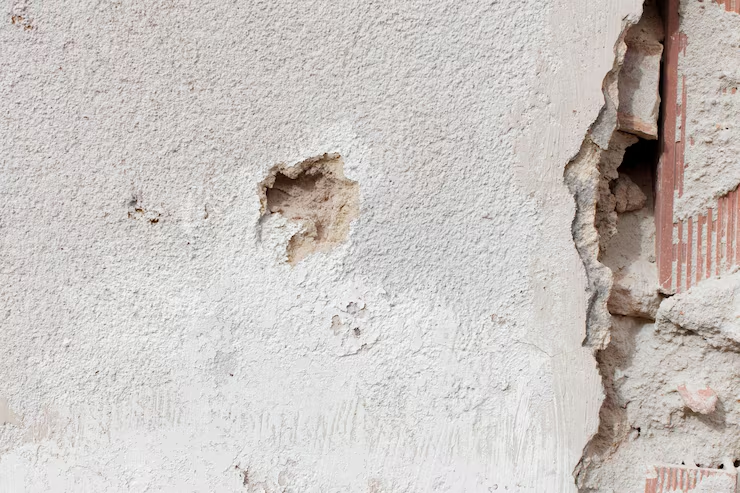
When Stucco Cracks Require Professional Repair
Not every crack requires immediate professional service, but certain signs should receive attention.
Consider contacting a stucco contractor when you notice:
- Large cracks
- Widening cracks
- Cracks that repeatedly return
- Cracks accompanied by water stains
- Bulging stucco
- Loose material
- Crumbling sections
- Multiple damaged areas
- Damage around windows or doors
- Exposed lath or underlying materials
A professional evaluation can help determine whether the problem is localized or more extensive.
Professional Stucco Repair in Los Angeles
Magic Lath & Plaster provides professional stucco and plaster services for residential and commercial properties throughout Los Angeles County.
Our services include:
- Stucco repair
- Commercial stucco
- New stucco installation
- Re-stucco
- Lath and plaster
- Exterior finishes
- Texture matching
- Venetian plaster
If your exterior has developed cracks or other damage, our team can help evaluate the condition and determine the appropriate repair or restoration approach.
Professional texture matching can also help repaired areas blend with existing stucco finishes.
Stucco Services Throughout Los Angeles County
Magic Lath & Plaster serves homeowners and commercial property owners throughout Los Angeles County and surrounding communities.
Our service areas include:
Every property has different construction details, exposure conditions, stucco textures, and maintenance histories. A property-specific evaluation can help determine the appropriate solution.
Can Stucco Cracks Be Completely Prevented?
No exterior material is completely immune to cracking.
Buildings move, temperatures change, and exterior walls experience environmental exposure.
The goal is to reduce unnecessary cracking and identify problems before they become extensive.
Proper installation, moisture management, maintenance, appropriate joints, and timely repairs can all contribute to better long-term stucco performance.
Should You Repair or Replace Cracked Stucco?
The answer depends on the extent of the damage.
Localized cracks may be suitable for repair if the surrounding stucco and underlying wall remain in good condition.
Widespread cracking, extensive deterioration, or significant moisture damage may require more comprehensive work.
A professional inspection can help determine whether localized repair, larger restoration, or re-stucco is appropriate.
Benefits of Preventive Stucco Maintenance
Preventive maintenance can provide several practical benefits.
Helps Identify Problems Early
Regular inspections can reveal cracks and moisture problems before they become more extensive.
Protects Exterior Appearance
Timely repairs can help maintain a consistent and attractive exterior.
Supports Moisture Management
Maintaining sealants, drainage, and damaged areas can help reduce potential pathways for water intrusion.
Helps Avoid Repeated Repairs
Addressing the cause of a problem instead of repeatedly patching the visible symptom can provide a more durable approach.
Supports Long-Term Exterior Performance
Proper maintenance can help homeowners get more useful service from their existing stucco system.
Final Thoughts
Learning how to prevent cracks in exterior stucco starts with understanding that cracking can have many causes. Building movement, temperature changes, moisture, weather exposure, installation problems, impact, and age can all contribute to stucco deterioration.
While cracking cannot always be completely prevented, homeowners can reduce potential problems through proper installation, regular inspections, moisture control, maintained gutters and downspouts, careful irrigation, sealant maintenance, and timely professional repairs.
Magic Lath & Plaster provides stucco repair, commercial stucco, new stucco installation, re-stucco, lath and plaster, exterior finishes, texture matching, and Venetian plaster services throughout Los Angeles County.
If your stucco is already showing cracks, stains, loose sections, or other signs of deterioration, professional evaluation can help identify the cause and determine the appropriate repair solution.
Frequently Asked Questions About Preventing Stucco Cracks
1. What is the best way to prevent cracks in exterior stucco?
Proper installation, appropriate joints, moisture management, regular inspections, maintained sealants, good drainage, and timely repairs can help reduce the risk of significant stucco cracking.
2. Why does my exterior stucco keep cracking?
Recurring cracks can result from building movement, temperature changes, moisture, installation issues, or other conditions. If the same crack repeatedly returns, it is worth having the area professionally evaluated.
3. Can small stucco cracks be repaired?
Many small cracks can be repaired, but the appropriate repair method depends on the crack’s size, location, cause, and surrounding conditions. Recurring or significant cracks should be evaluated before repair.
4. Does water cause stucco cracks?
Moisture can contribute to stucco deterioration and may be associated with cracking, especially when water reaches materials behind the exterior. Water intrusion should be investigated rather than simply covered.
5. Does Magic Lath & Plaster repair cracked stucco in Los Angeles?
Yes. Magic Lath & Plaster provides stucco repair, commercial stucco, new stucco installation, re-stucco, lath and plaster, exterior finishes, texture matching, and Venetian plaster services throughout Los Angeles County.