How Long Does Stucco Last? This is an important question for Los Angeles homeowners considering stucco installation, maintenance, repair, or replacement. Stucco is a popular exterior finish throughout Southern California because it can provide a durable, attractive, and versatile surface when properly installed and maintained.
The lifespan of a stucco exterior depends on several factors, including installation quality, materials, weather exposure, moisture management, maintenance, building movement, and the condition of the underlying wall system. A properly installed stucco system can remain functional for many years, but that does not mean it will never require maintenance or repair.
Understanding the factors that affect stucco longevity can help homeowners identify problems early, protect their exterior, and determine when professional repair or re-stucco may be appropriate.
How Long Does Stucco Last?
Stucco can last for several decades when properly installed and maintained, but the actual service life varies from property to property. The quality of the original installation, exposure to moisture, maintenance, and condition of the underlying wall assembly all influence how long the exterior remains in good condition.
Some stucco exteriors can remain attractive and functional for many decades, while others may develop cracks, staining, or moisture-related problems much earlier.
The visible stucco finish is only one part of the exterior wall system. Proper weather protection, flashing, drainage, lath, substrate preparation, and installation all contribute to long-term performance.
For this reason, homeowners should look at the condition of the entire exterior system rather than judging its lifespan based only on the age of the stucco.
What Determines the Lifespan of Stucco?
Several factors influence how long stucco lasts on a residential or commercial property.
Quality of Installation
Installation quality is one of the most important factors affecting stucco longevity.
A properly installed system should account for drainage, flashing, weather-resistant barriers, lath, joints, openings, transitions, and proper application of stucco materials.
If these components are improperly installed, the exterior may be more vulnerable to cracking and moisture intrusion.
Climate and Weather Exposure
Los Angeles has a generally dry climate, but exterior walls still experience sunlight, temperature fluctuations, seasonal rainfall, and occasional severe weather.
Repeated expansion and contraction can contribute to cracking over time. Areas exposed to significant sunlight or weather may require more regular inspection and maintenance.
Moisture Management
Water is one of the biggest concerns for any exterior wall system.
Stucco itself can withstand normal exposure, but improperly managed moisture can enter through cracks, failed sealants, flashing problems, windows, roof transitions, plumbing penetrations, or other openings.
If moisture becomes trapped behind the stucco, it can contribute to deterioration of the materials underneath.
Maintenance
Regular inspection can help identify problems before they become extensive.
Homeowners should watch for cracks, stains, damaged sealants, holes, loose areas, and other changes in the exterior.
Addressing problems when they are relatively small may reduce the risk of more extensive deterioration.
Building Movement
Buildings naturally experience movement over time. Settlement, seismic activity, thermal movement, and other factors can contribute to cracking.
Not every crack indicates a serious structural issue, but significant, recurring, or widening cracks should be evaluated.
Signs Your Stucco May Be Reaching the End of Its Service Life
Age alone does not necessarily mean stucco needs replacement. The condition of the exterior is more important than its age.
However, several signs may indicate that significant maintenance or replacement should be considered.
Extensive Cracking
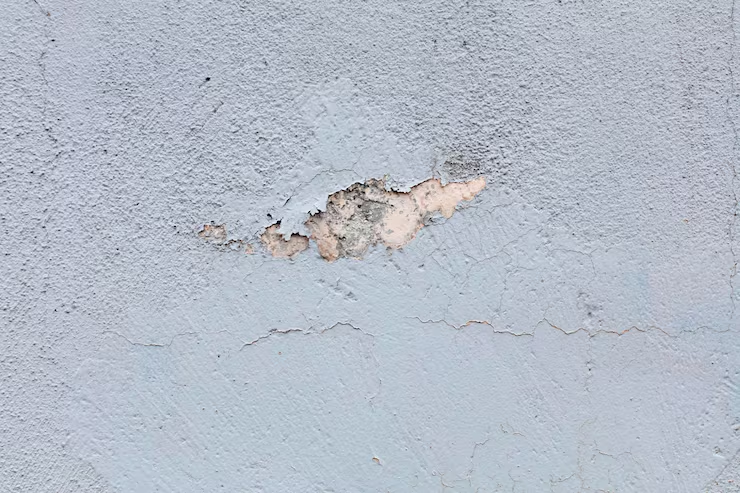
A few minor cracks may be repairable, but widespread cracking can indicate that the exterior requires more extensive attention.
Repeated cracking after previous repairs may also indicate an underlying problem that needs to be investigated.
Widespread Discoloration
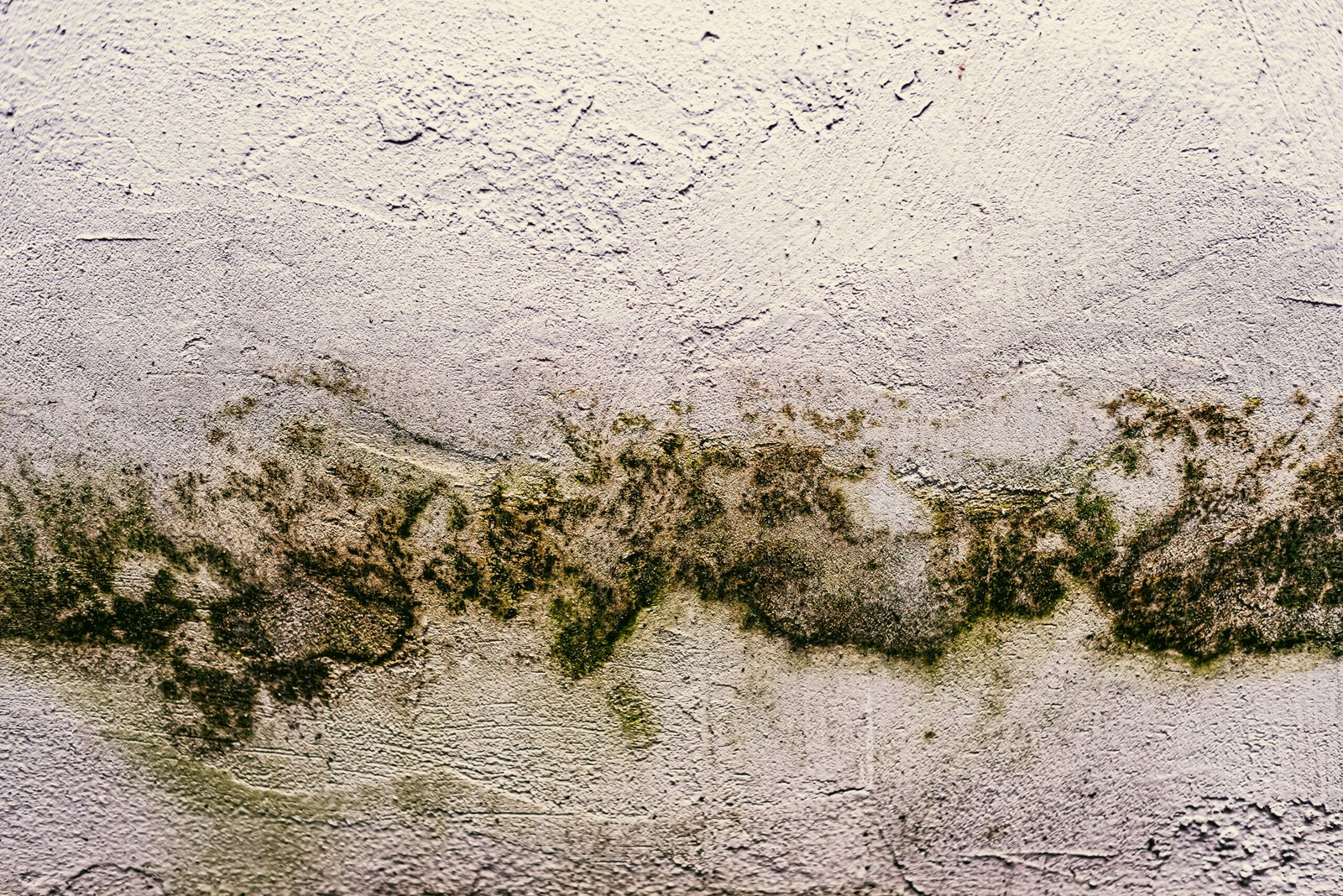
Persistent staining, streaking, or discoloration can indicate moisture exposure or other exterior problems.
Some stains may be cosmetic, while others can indicate water intrusion.
Bulging or Separating Stucco
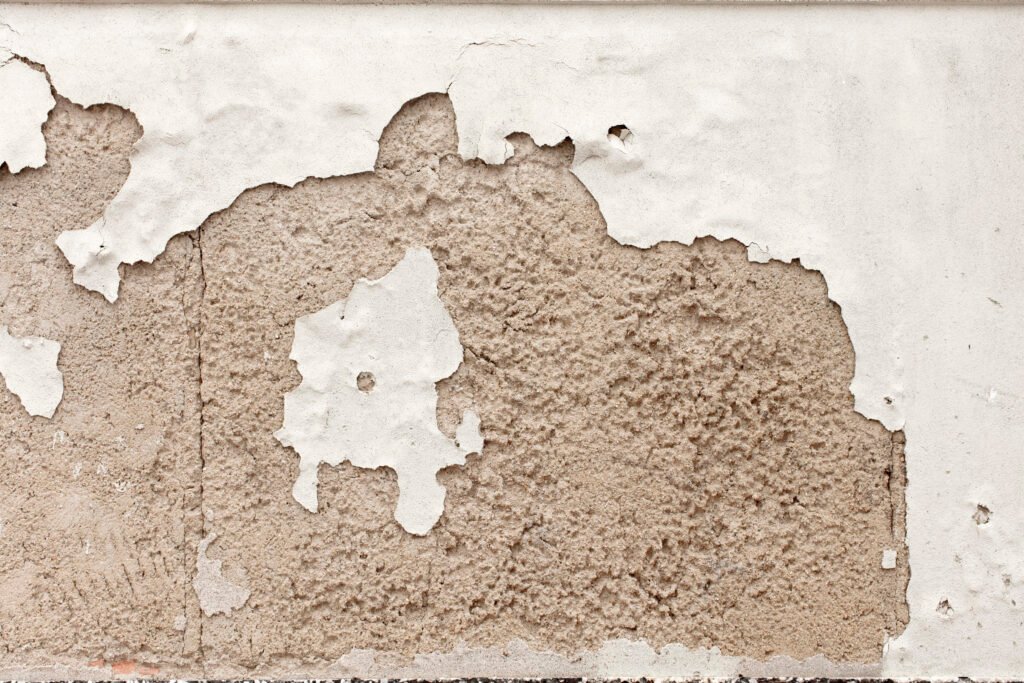
Stucco that appears to bulge, separate, or pull away from the wall may indicate moisture or deterioration behind the surface.
These areas should be professionally evaluated rather than simply covered with new material.
Crumbling or Soft Stucco
If the material is easily crumbling or sections feel unusually soft, the exterior may have experienced significant deterioration.
Repeated Repairs
If the same areas require repair repeatedly, it may be worth evaluating whether a larger underlying problem exists or whether a more comprehensive exterior renovation is appropriate.
Does Climate Affect How Long Stucco Lasts?
Yes. Climate can influence the condition and maintenance requirements of stucco.
Los Angeles provides relatively mild weather compared with many other regions, but exterior walls still experience prolonged sunlight, temperature changes, seasonal rainfall, and occasional periods of heavy moisture.
The direction a wall faces can also influence its exposure. South- and west-facing walls may receive substantial sunlight, while areas near landscaping, sprinklers, gutters, or drainage problems may experience more moisture.
Proper installation and regular maintenance remain important regardless of the climate.
How to Make Stucco Last Longer
Homeowners can take several practical steps to help maintain their stucco exterior.
Inspect the Exterior Regularly
Walk around the property periodically and look for:
- New cracks
- Water stains
- Holes
- Bulging areas
- Loose stucco
- Crumbling sections
- Damaged sealants
- Missing material
- Unusual discoloration
Early identification can make it easier to address problems.
Maintain Gutters and Downspouts
Gutters and downspouts should direct water away from exterior walls.
Blocked gutters or poorly positioned downspouts can cause water to repeatedly contact the stucco.
Monitor Windows and Doors
Pay attention to the areas around windows and doors. Failed sealants or damaged flashing can allow moisture to enter the wall assembly.
Maintain Roof Areas
Roof-to-wall transitions are important areas for moisture management. Problems with roofing or flashing can eventually affect adjacent stucco.
Control Irrigation
Sprinklers and irrigation systems should be positioned so they do not constantly spray exterior walls.
Repeated moisture exposure can contribute to staining and deterioration.
Can Stucco Be Repaired Instead of Replaced?
In many cases, yes. The decision depends on the extent and cause of the damage.
Localized cracks, holes, impact damage, and small areas of deterioration may be suitable for repair.
A professional repair may involve removing damaged stucco, addressing underlying problems if necessary, applying replacement material, and matching the existing texture.
If deterioration is widespread, however, a larger re-stucco project may be considered.
When Should You Consider Re-Stucco?
Re-stucco may be considered when the existing exterior has extensive deterioration or when localized repairs are no longer practical.
Potential reasons include:
- Widespread cracking
- Extensive surface deterioration
- Significant moisture damage
- Numerous previous repairs
- Major finish problems
- Deteriorated underlying materials
Re-stucco is a substantial project, so the condition of the existing wall system should be evaluated before making a decision.
Why Texture Matching Matters During Stucco Repair
One of the challenges of repairing older stucco is matching the existing finish.
Stucco can have many different textures, including smooth, sand, lace, dash, and custom finishes. Age and weather exposure can also change the appearance of the original material.
A professional texture match can help the repaired section blend with the surrounding exterior.
Texture matching is particularly important when only part of a wall is being repaired.
How Long Does New Stucco Take to Install?
The installation timeline depends on the size and complexity of the project.
Factors that can affect the schedule include:
- Property size
- Number of exterior walls
- Existing finish removal
- Surface preparation
- Underlying repairs
- Stucco system
- Weather conditions
- Texture requirements
- Architectural details
A small repair can be completed much faster than a complete re-stucco project.
Homeowners should ask the contractor for a project-specific timeline after the property has been evaluated.
Professional Stucco Repair in Los Angeles
Magic Lath & Plaster provides professional stucco and plaster services for residential and commercial properties throughout Los Angeles County.
Our services include:
- Stucco repair
- Commercial stucco
- New stucco installation
- Re-stucco
- Lath and plaster
- Exterior finishes
- Texture matching
- Venetian plaster
Whether your stucco has developed cracks, experienced water damage, or simply requires maintenance, our team can help determine the appropriate approach for the property.
Stucco Services Throughout Los Angeles County
Magic Lath & Plaster serves homeowners and commercial property owners throughout Los Angeles County and surrounding communities.
Our service areas include:
If your property is located in Los Angeles County and you need stucco repair, re-stucco, new stucco installation, or related plaster services, professional evaluation can help determine the appropriate solution.
Stucco Maintenance Checklist for Homeowners
A simple maintenance routine can help homeowners monitor the condition of their exterior.
Every Few Months
Check visible areas for new cracks, stains, holes, or damaged sealants.
After Heavy Rain
Inspect areas around windows, doors, roof transitions, and other locations where water may enter.
During Exterior Maintenance
Make sure gutters, downspouts, drainage systems, and irrigation are functioning properly.
When You Notice New Damage
Do not assume that a new crack or stain is only cosmetic. Have significant or recurring problems evaluated to determine the cause.
Is Old Stucco Always a Problem?
No. The age of stucco does not automatically mean that it needs to be replaced.
An older stucco exterior that remains intact and properly maintained may continue to perform well.
The more important factors are the condition of the finish, evidence of moisture intrusion, extent of cracking, condition of the underlying wall assembly, and history of repairs.
A professional evaluation can help determine whether an older stucco system needs maintenance, localized repair, or more extensive work.
Should You Repair Stucco Before Selling a Home?
Homeowners preparing to sell a property may consider addressing visible stucco damage.
Cracks, stains, missing material, or deteriorated areas can affect the appearance of an exterior and may raise questions about potential moisture problems.
Whether repair is appropriate depends on the condition and the goals of the homeowner.
Addressing obvious exterior damage can also provide an opportunity to identify potential moisture issues before they become more extensive.
Final Thoughts
So, how long does stucco last? A properly installed and maintained stucco exterior can remain functional for many decades, but its actual lifespan depends on installation quality, moisture management, climate exposure, maintenance, building movement, and the condition of the underlying wall system.
Homeowners should not replace stucco simply because it has reached a certain age. Instead, the condition of the exterior should be evaluated. Localized damage may be repairable, while widespread deterioration may require re-stucco or more extensive exterior work.
Magic Lath & Plaster provides stucco repair, commercial stucco, new stucco installation, re-stucco, lath and plaster, exterior finishes, texture matching, and Venetian plaster services throughout Los Angeles County.
If your stucco is cracked, stained, damaged, or showing signs of deterioration, a professional evaluation can help determine the condition of the exterior and the appropriate next step.
Frequently Asked Questions
1. How many years does stucco typically last?
A properly installed and maintained stucco exterior can last for several decades. Actual longevity varies depending on installation quality, moisture exposure, maintenance, climate, and the condition of the underlying wall system.
2. Does old stucco need to be replaced?
Not necessarily. Age alone does not mean stucco needs replacement. If the exterior remains in good condition and does not have significant moisture or structural problems, maintenance or localized repairs may be sufficient.
3. What are the signs that stucco needs repair?
Common signs include cracks, water stains, discoloration, holes, bulging, loose sections, crumbling material, and recurring damage. Significant or widespread problems should be professionally evaluated.
4. Can damaged stucco be repaired instead of replaced?
Yes. Localized damage can often be repaired. The appropriate solution depends on the extent of the damage and whether problems exist behind the visible stucco.
5. How can I extend the life of my stucco?
Regular inspections, timely crack repairs, proper drainage, maintained gutters and downspouts, functioning sealants, controlled irrigation, and attention to moisture problems can help maintain a stucco exterior over time.