Complete Guide to Stucco Repair: Stucco is one of the most popular exterior finishes found on homes and commercial properties throughout Los Angeles. Its durability, versatility, and ability to provide an attractive finished appearance make it a practical choice for many Southern California properties. However, even well-installed stucco can eventually develop cracks, discoloration, holes, water damage, and other problems.
For homeowners, knowing how to recognize these problems early can help prevent minor exterior issues from becoming larger and more expensive repairs. A small crack, for example, may initially appear to be only cosmetic, but it can sometimes allow moisture to enter behind the stucco system.
This guide covers five essential areas of stucco repair: identifying damage, understanding common causes, choosing the right repair method, understanding repair costs, and maintaining stucco after repairs. These five guides can help Los Angeles property owners better understand what their stucco needs and when professional service may be appropriate.
5 Complete Guide to Stucco Repair
Understanding stucco repair starts with knowing what can go wrong, how to identify damage, and what steps may be required to restore the exterior. From minor cracks to extensive water damage, every stucco problem should be evaluated based on its cause and severity.
The following five guides cover the key areas Los Angeles homeowners should understand before scheduling stucco repair or considering a larger re-stucco project.
Guide 1: How to Identify Stucco Damage
The first step in dealing with stucco problems is identifying the type and extent of damage. Not every crack or stain means that an entire wall needs to be replaced, but visible changes should not automatically be ignored.
Look for Cracks
Cracks are among the most common signs of stucco deterioration. Hairline cracks can develop from normal expansion and contraction, while larger cracks may be associated with building movement, installation issues, moisture, or other conditions.
Pay particular attention to cracks around:
- Windows
- Doors
- Corners
- Wall transitions
- Roof lines
- Exterior penetrations
Cracks that continue to grow or repeatedly reappear should be professionally evaluated.
Check for Discoloration
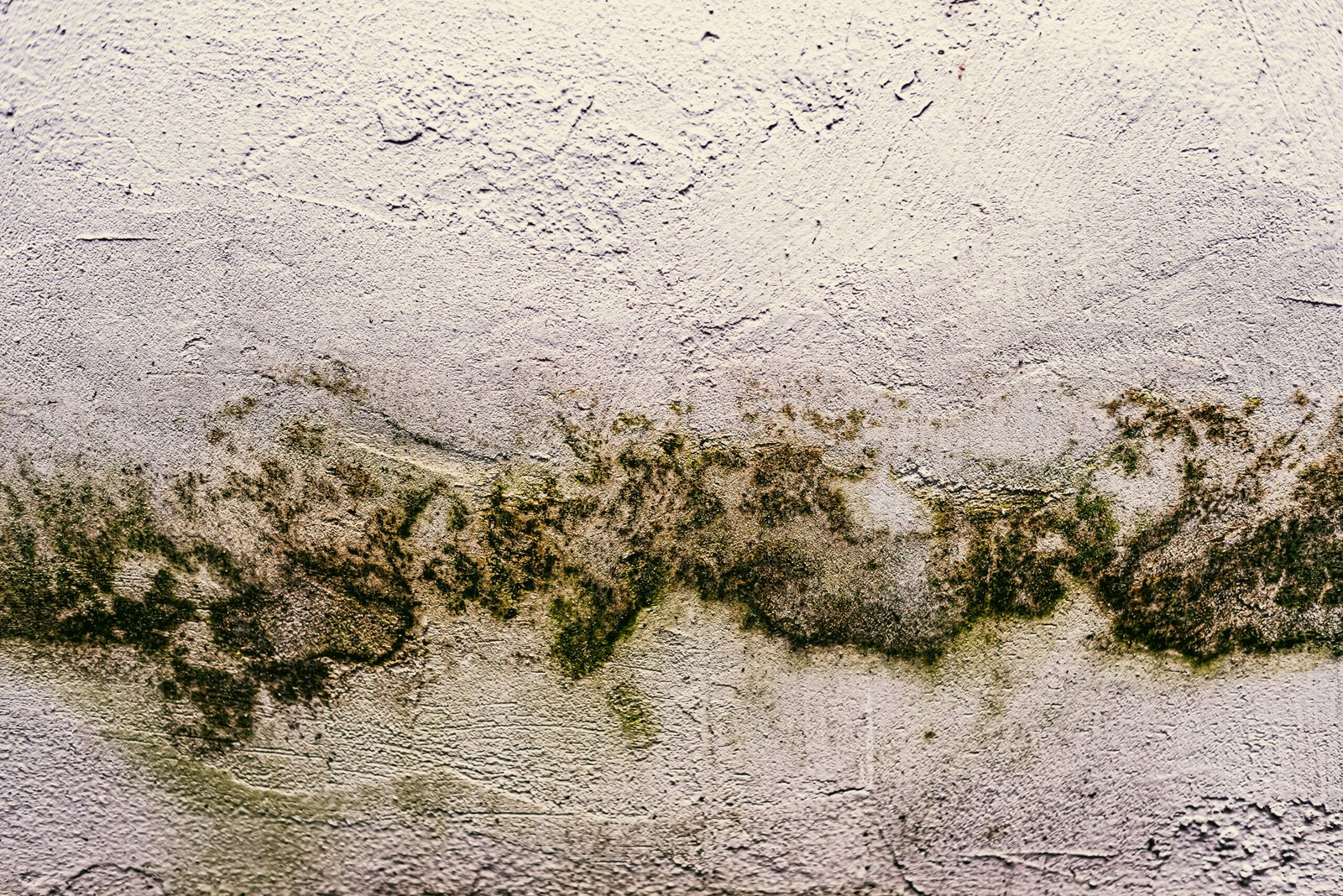
Dark streaks, brown staining, or unusual discoloration can indicate moisture problems. Water may be entering through damaged stucco, failed sealants, flashing problems, roof areas, or other openings.
Inspect for Bulging or Loose Stucco
Stucco that appears swollen, bulged, or separated from the wall may indicate moisture behind the finish. In some cases, the underlying lath or substrate may also be deteriorating.
Look for Missing Material
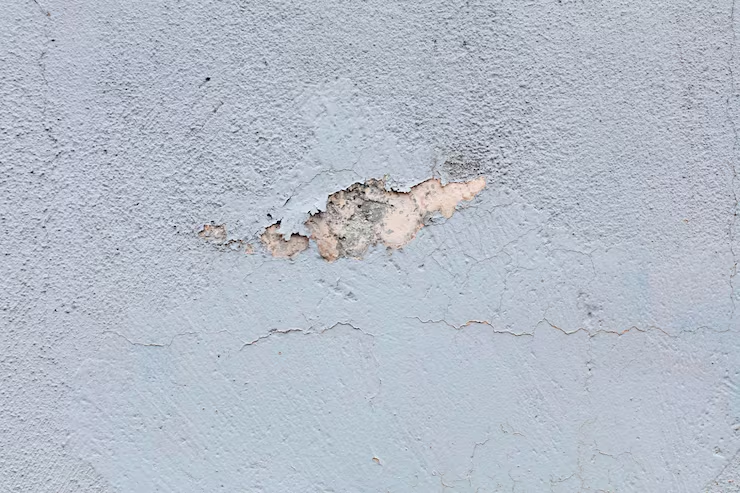
Holes, chipped sections, impact damage, and missing stucco should be repaired because openings in the exterior can expose the underlying wall assembly to moisture.
Pay Attention to Soft or Crumbling Areas
Stucco should generally remain firm and stable. Soft, crumbling, or deteriorated sections may indicate more extensive damage beneath the visible surface.
Guide 2: Understanding What Causes Stucco Problems
Identifying the visible damage is only part of the process. Understanding the cause is equally important.
Water Intrusion
Moisture is one of the major concerns associated with stucco damage. Water can enter through cracks, deteriorated sealants, improper flashing, roof connections, plumbing penetrations, windows, and other vulnerable areas.
If water becomes trapped behind the stucco, it can contribute to deterioration of the underlying building materials.
Structural Movement
Buildings naturally experience some movement. Settlement, seismic activity, thermal expansion, and other forms of movement can contribute to cracking.
The location and pattern of a crack can provide useful information about the potential cause.
Improper Installation
Stucco systems depend on proper installation. Problems involving drainage, flashing, lath, expansion joints, or application techniques can contribute to premature deterioration.
Weather and Sun Exposure
Los Angeles homes experience substantial sunlight and seasonal weather changes. Repeated expansion and contraction can eventually contribute to surface deterioration.
Age and Lack of Maintenance
Older stucco may eventually require repair or replacement simply because materials have experienced years of exposure. Sealants can deteriorate, small cracks can expand, and previously repaired areas can develop new problems.
Regular inspection can help identify deterioration before it becomes extensive.
Guide 3: Choosing Between Stucco Repair and Re-Stucco
Once damage has been identified, homeowners often need to determine whether localized repair is sufficient or whether a larger re-stucco project is appropriate.
When Stucco Repair May Be Appropriate
Localized stucco repair may be suitable when:
- Damage is limited to specific areas
- Most of the existing stucco remains in good condition
- Cracking is localized
- Small sections have been damaged by impact
- Water damage is limited
- The existing stucco system remains structurally sound
A professional contractor can remove damaged material, repair the affected area, and install replacement stucco.
When Re-Stucco May Be Considered
A larger re-stucco project may be considered when deterioration is widespread or when the existing finish has reached the point where repeated localized repairs are no longer practical.
Potential reasons include:
- Extensive cracking
- Widespread water damage
- Significant surface deterioration
- Numerous previous repairs
- Major texture or finish problems
- Deteriorated underlying components
The decision should be based on the condition of the property rather than simply the age of the stucco.
Why Texture Matching Matters
A repair should not only address the damaged material; it should also blend with the existing exterior.
Stucco textures vary from property to property. Sand, lace, dash, smooth, and custom finishes can have significantly different appearances.
Professional texture matching helps repaired sections blend with the surrounding wall.
Guide 4: Understanding Stucco Repair Costs
Stucco repair costs can vary considerably from one property to another. There is no single price that applies to every Los Angeles home.
What Affects the Cost?
Several factors can influence the total cost of a stucco repair project.
These include:
- Size of the damaged area
- Number of damaged areas
- Type of stucco finish
- Accessibility
- Labor requirements
- Material requirements
- Extent of water damage
- Condition of the lath
- Condition of the substrate
- Texture matching requirements
- Additional repairs discovered during the project
A small cosmetic repair may be significantly different from a project involving water intrusion and damaged underlying materials.
Why an Inspection Is Important
Visible damage does not always reveal the full extent of the problem.
For example, a small exterior stain could be associated with moisture behind the stucco. A professional evaluation can help determine whether the issue is limited to the surface or whether additional work is necessary.
Getting a detailed estimate based on the actual condition of the property is more useful than relying on a generic cost-per-square-foot estimate.
Avoid Choosing Based Only on Price
The lowest estimate is not necessarily the most appropriate solution. Stucco repairs involve materials, preparation, application, texture matching, and sometimes repairs to the underlying wall assembly.
Homeowners should consider the contractor’s experience, proposed repair process, scope of work, and quality of materials when evaluating estimates.
Guide 5: Maintaining Stucco After Repairs
Once stucco has been repaired, regular maintenance can help protect the exterior and identify future problems early.
Inspect the Exterior Regularly
Homeowners should periodically look for:
- New cracks
- Staining
- Peeling or damaged finishes
- Holes
- Loose stucco
- Bulging areas
- Deteriorated sealants
- Water accumulation
Early identification can make repairs easier to manage.
Keep Gutters and Downspouts Clear
Water should be directed away from exterior walls. Blocked gutters or poorly positioned downspouts can allow water to repeatedly contact the stucco.
Check Around Windows and Doors
Sealants around windows and doors can deteriorate over time. Damaged seals can create opportunities for water intrusion.
Maintain Roof and Flashing Areas
The roof-to-wall connection is another important area to inspect. Water problems near the roof can eventually affect stucco and the materials behind it.
Address Cracks Promptly
A crack that appears small today may become larger over time. Having significant or recurring cracks evaluated can help determine whether they are simply surface issues or symptoms of another problem.
Professional Stucco Repair in Los Angeles
Magic Lath & Plaster provides professional stucco and plaster services for residential and commercial properties throughout Los Angeles and surrounding areas.
Our services include:
- Stucco repair
- Commercial stucco
- New stucco installation
- Re-stucco
- Lath and plaster
- Exterior finishes
- Texture matching
- Venetian plaster
Whether a property requires localized stucco repair or a larger exterior finishing project, understanding the condition of the existing system is an important first step.
Our approach focuses on addressing visible stucco problems while considering the underlying conditions that may have contributed to the damage.
Stucco Services Throughout Los Angeles County
Magic Lath & Plaster serves property owners throughout Los Angeles County and surrounding communities.
Our service areas include:
Local properties can have different construction styles, stucco textures, ages, and maintenance histories. Professional evaluation helps determine the appropriate repair approach for each property.
When Should You Call a Stucco Contractor?
Homeowners should consider professional evaluation when stucco damage is larger than a simple surface imperfection, continues to return after repairs, or appears to be associated with moisture.
Professional assessment can be particularly useful when you notice:
- Large or spreading cracks
- Multiple areas of damaged stucco
- Water stains
- Bulging walls
- Loose stucco
- Exposed lath
- Rot or deterioration
- Repeated repairs
- Significant exterior discoloration
Addressing problems early may help prevent additional deterioration.
What to Expect During a Professional Stucco Repair
A professional stucco repair typically starts with an inspection.
The contractor evaluates the visible damage and surrounding areas to determine the likely cause. Damaged stucco may then be removed to inspect the layers underneath.
If the lath, sheathing, framing, or other components are damaged, those areas may require repair before the stucco is replaced.
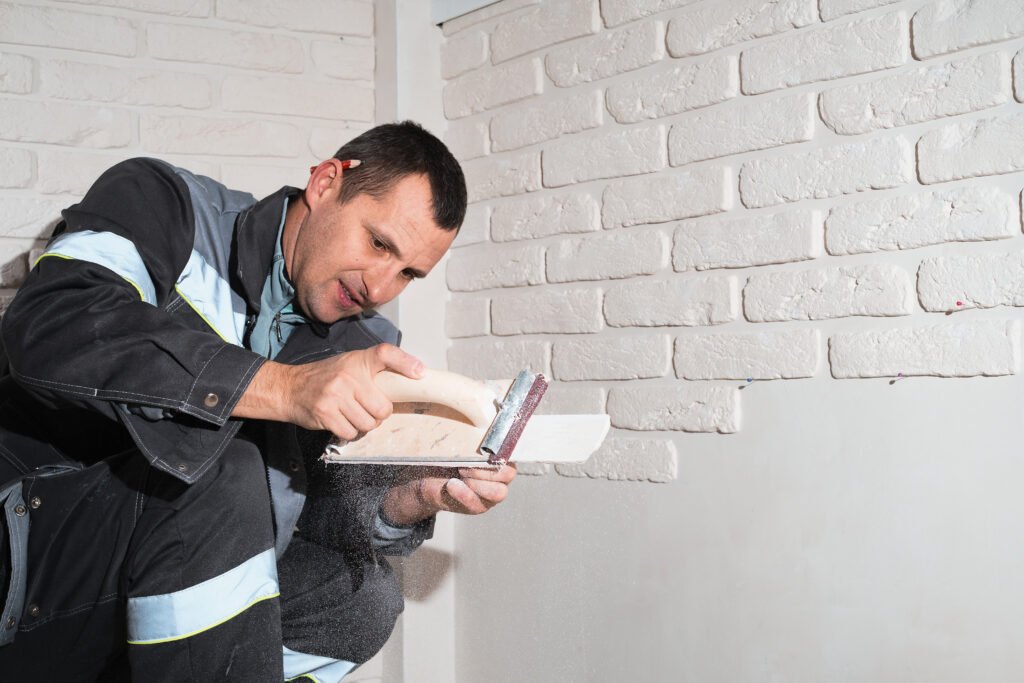
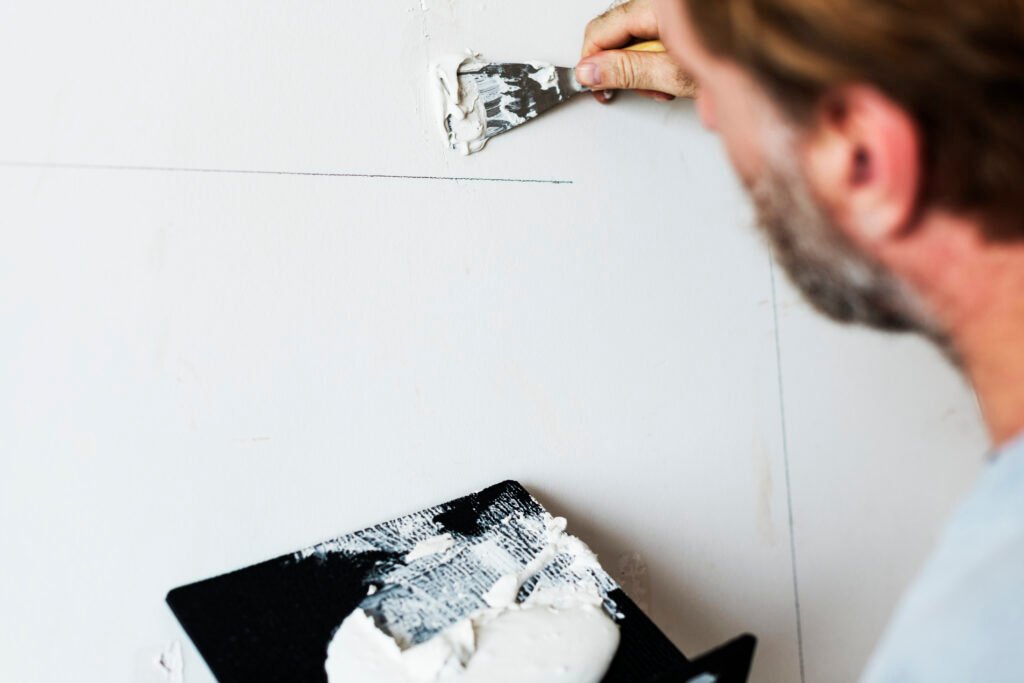
The new stucco is then applied and finished to match the surrounding surface as closely as possible.
The exact process depends on the property’s construction and the extent of the damage.
Why Professional Stucco Repair Matters
Stucco repair is not simply about making a damaged wall look better. The exterior finish is part of a larger wall system designed to protect the building from weather and moisture.
A repair that only covers visible damage may not resolve the underlying cause.
For example, if water continues entering behind the stucco, a surface patch may eventually fail again. Identifying and addressing the source of the problem is therefore an important part of a durable repair.
Professional workmanship can also help with proper preparation, material application, drainage considerations, and texture matching.
Final Thoughts
A well-maintained stucco exterior can provide an attractive and durable finish for many years. However, cracks, stains, holes, bulging sections, and water damage should be evaluated rather than ignored.
These five complete guides to stucco repair cover the essential areas Los Angeles homeowners should understand: how to identify damage, what causes stucco problems, whether to repair or re-stucco, what affects repair costs, and how to maintain the exterior afterward.
Magic Lath & Plaster provides stucco repair, new stucco installation, re-stucco, commercial stucco, lath and plaster, exterior finishes, texture matching, and Venetian plaster services throughout Los Angeles and surrounding Los Angeles County communities.
If you are concerned about cracked, damaged, or deteriorating stucco, a professional evaluation can help determine the condition of your exterior and the appropriate next step.
Frequently Asked Questions
1. What are the most common signs that stucco needs repair?
Common signs include cracks, holes, discoloration, water stains, bulging sections, loose stucco, and crumbling areas. Significant or recurring damage should be professionally evaluated.
2. Can small stucco cracks be repaired?
Many small cracks can be repaired, but the correct method depends on the crack’s size, location, and cause. If the crack is related to movement or moisture, the underlying issue may also need attention.
3. How much does stucco repair cost in Los Angeles?
The cost depends on the size and location of the damage, stucco finish, accessibility, labor, materials, texture matching, and whether there is hidden water or structural damage. A property-specific estimate provides a more accurate cost.
4. How do I know whether to repair or re-stucco my house?
Localized damage can often be repaired, while widespread deterioration may require a larger re-stucco project. The condition of the existing stucco and underlying wall system should be evaluated before making a decision.
5. Can Magic Lath & Plaster match my existing stucco texture?
Magic Lath & Plaster provides texture-matching services designed to help repaired areas blend with existing stucco finishes. The final match can depend on the original texture, age, color variation, and condition of the existing surface.