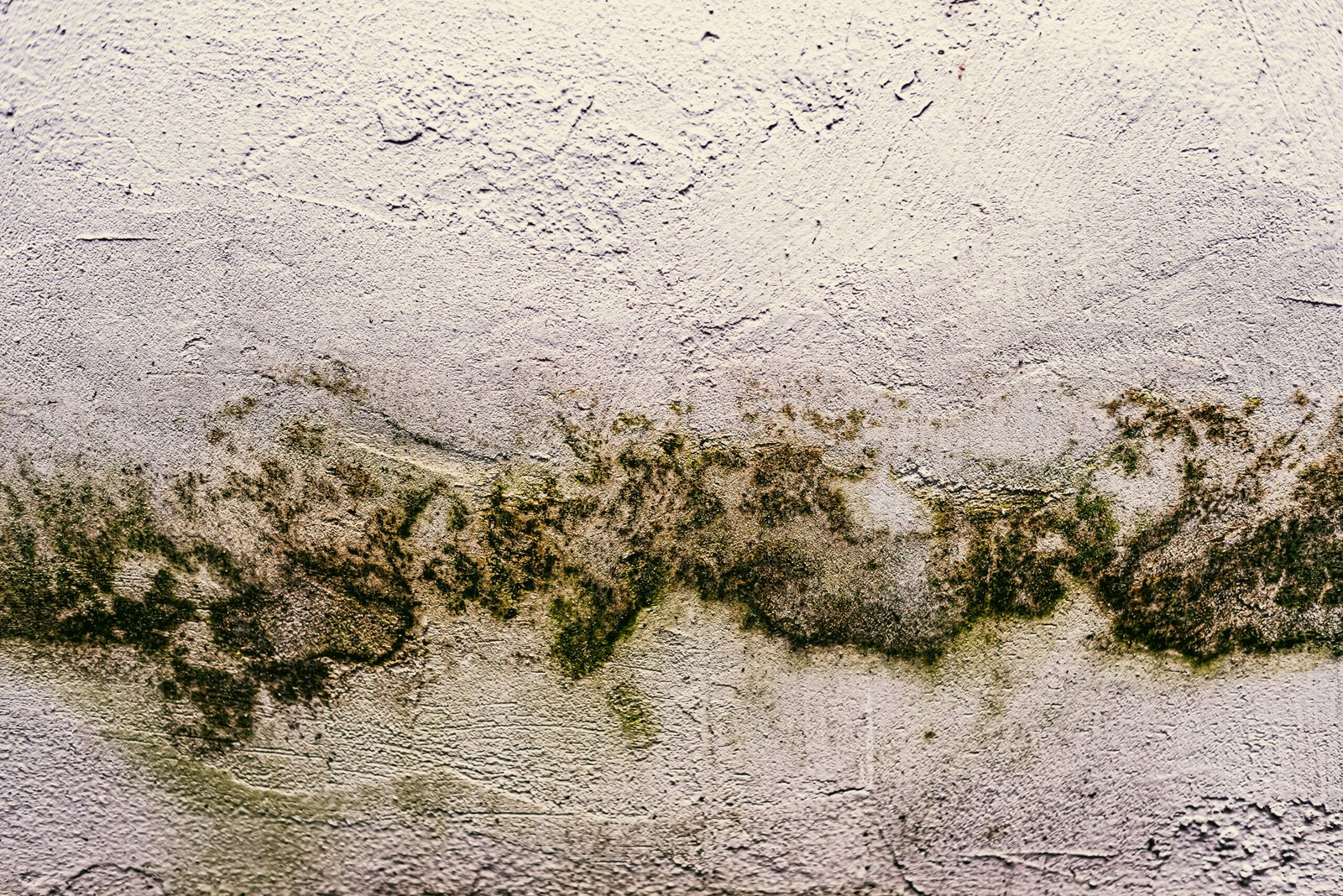
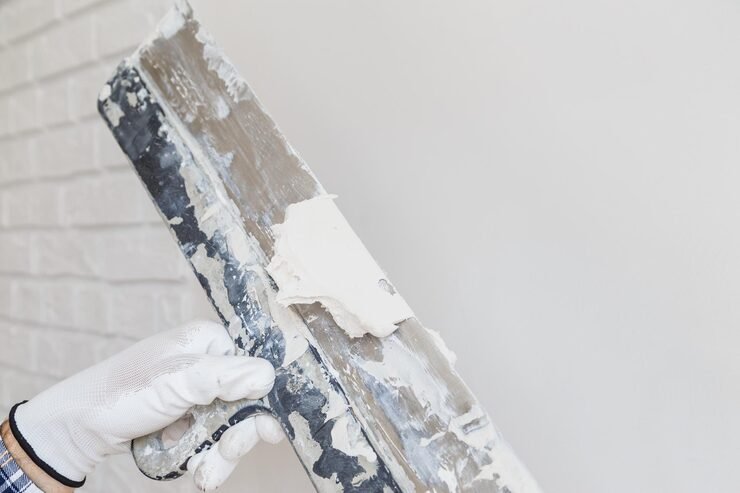
Stucco Restoration vs. Stucco Replacement is an important consideration for homeowners dealing with aging, cracked, stained, or damaged exterior stucco. While some properties can benefit from targeted restoration and repair, others may have deterioration extensive enough to justify a more comprehensive replacement.
Choosing between restoration and replacement should not be based on appearance alone. The condition of the existing stucco, the underlying wall assembly, moisture exposure, previous repairs, extent of cracking, and overall condition of the exterior should all be considered.
For Los Angeles homeowners, stucco is a common exterior finish that can provide a durable and attractive surface when properly installed and maintained. However, years of sun exposure, seasonal rain, building movement, moisture, and normal aging can eventually create problems.
Understanding the difference between restoration and replacement can help homeowners make an informed decision about their property’s exterior.
Stucco Restoration vs. Stucco Replacement
Stucco restoration generally focuses on repairing and preserving an existing stucco system when much of the exterior remains serviceable. Restoration can involve repairing damaged sections, addressing cracks, correcting moisture-related problems, replacing deteriorated components, and matching the existing texture.
Stucco replacement, often referred to as re-stucco when an existing finish is removed and a new stucco system is installed, is a larger project. It may be considered when deterioration is widespread or when the existing exterior is no longer practical to maintain through localized repairs.
The appropriate solution depends on the property’s actual condition.
What Is Stucco Restoration?
Stucco restoration involves bringing an existing stucco exterior back to a functional and visually consistent condition without necessarily replacing the entire exterior.
A restoration project may include:
- Repairing cracks
- Removing damaged stucco
- Repairing localized water damage
- Addressing deteriorated lath
- Repairing substrate where necessary
- Replacing damaged sections
- Repairing or replacing sealants
- Matching existing textures
- Correcting localized exterior problems
The goal is generally to preserve as much of the existing sound stucco as practical while addressing areas that have deteriorated.
Restoration can be appropriate when the damage is limited and the majority of the existing system remains in reasonable condition.
What Is Stucco Replacement?
Stucco replacement involves removing some or all of the existing exterior finish and installing a new stucco system.
A replacement project may be considered when:
- Damage is widespread
- Cracking is extensive
- Moisture problems are significant
- The existing finish has numerous previous repairs
- Large sections are deteriorated
- The existing system requires substantial reconstruction
Depending on the property, replacement may involve removing existing stucco, inspecting the underlying wall, addressing damaged materials, preparing the surface, and installing a new stucco assembly.
The exact process depends on the building and existing construction.
When Is Stucco Restoration Appropriate?
Restoration may be appropriate when the existing stucco is generally sound but has localized problems.
Examples include:
Localized Cracks
A limited number of cracks may be repairable without replacing an entire wall.
Small Areas of Impact Damage
Damage from landscaping equipment, construction activity, or accidental impact may be limited to specific sections.
Isolated Water Damage
If moisture intrusion is limited to a particular area and the underlying problem can be corrected, localized restoration may be possible.
Deteriorated Sealants
Failed sealants around windows, doors, and penetrations can sometimes be replaced as part of a restoration project.
Cosmetic Deterioration
Some properties may primarily need improvements to surface appearance rather than complete exterior replacement.
A professional evaluation can help determine whether the existing system is suitable for restoration.
When Is Stucco Replacement Appropriate?
Replacement may be considered when the condition of the exterior is too extensive for practical localized restoration.
Potential indicators include:
- Widespread cracking
- Extensive water damage
- Numerous deteriorated areas
- Repeated failed repairs
- Significant surface deterioration
- Large areas of loose stucco
- Deteriorated underlying components
- Major exterior renovation plans
Replacement does not necessarily mean that the entire building requires reconstruction. The scope depends on the condition of the exterior and the project goals.
How Moisture Affects the Decision
Moisture is one of the most important factors when deciding between restoration and replacement.
A visible stain or crack does not automatically mean that the entire stucco system has failed. However, persistent moisture can affect materials behind the stucco.
When water intrusion is suspected, the affected area may need to be opened so the underlying components can be evaluated.
Depending on what is discovered, the appropriate solution could involve localized repair or more extensive replacement.
Addressing the source of the moisture is essential. Simply covering visible staining without correcting the cause may allow the problem to continue.
The Importance of Inspecting the Underlying Wall
The visible stucco finish is only one component of an exterior wall system.
Depending on the construction, the wall may include:
- Weather-resistant barriers
- Metal lath
- Sheathing
- Framing
- Flashing
- Sealants
- Drainage components
If these components have been affected by moisture or deterioration, repairing only the visible stucco may not be enough.
A proper assessment should consider the condition of the materials beneath the surface when there is evidence of water intrusion or significant damage.
Stucco Restoration Cost Considerations
The cost of stucco restoration varies based on the scope of work.
Factors that can influence the price include:
- Size of damaged areas
- Number of repair locations
- Type of stucco texture
- Accessibility
- Labor requirements
- Material requirements
- Underlying damage
- Water intrusion
- Texture matching
- Sealant replacement
A localized repair is generally a different type of project from a complete exterior renovation.
Homeowners should obtain an estimate based on the actual condition of the property rather than relying solely on general pricing.
Stucco Replacement Cost Considerations
Stucco replacement typically involves a larger scope of work and can therefore involve more labor and materials than localized restoration.
Potential cost factors include:
- Removal of existing stucco
- Disposal
- Wall preparation
- Substrate repairs
- Lath installation
- Weather-resistant barriers
- Flashing
- Stucco application
- Finish selection
- Architectural details
- Windows and doors
- Building size
- Accessibility
If hidden damage is discovered after removal, additional repairs may be necessary.
A detailed project assessment can provide a more accurate understanding of the potential scope and cost.
Can Old Stucco Be Restored?
Yes, older stucco can sometimes be restored if the existing system remains sufficiently sound.
The age of the stucco alone does not determine whether restoration is possible.
A property with older stucco may still be a candidate for localized repairs if the majority of the exterior remains intact and there are no widespread underlying problems.
Conversely, a relatively newer exterior may require extensive work if it has experienced significant installation or moisture-related problems.
The condition of the system matters more than age alone.
Does Stucco Replacement Last Longer Than Restoration?
The answer depends on the condition of the existing system and the quality of the work performed.
A well-executed restoration can extend the useful life of an existing stucco exterior by addressing specific damaged areas and underlying problems.
A replacement provides a new exterior system, but its long-term performance will still depend on proper installation, moisture management, maintenance, and environmental exposure.
Neither option should be selected solely based on the assumption that one automatically lasts longer.
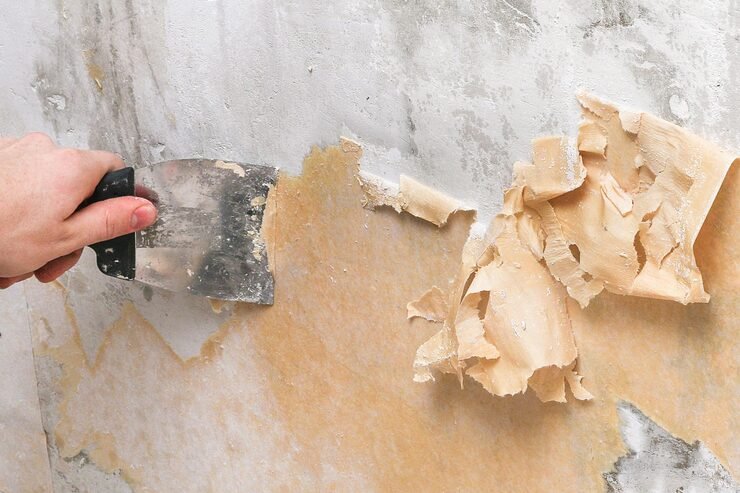
Texture Matching During Stucco Restoration
One of the most important considerations during localized restoration is matching the existing stucco.
Older stucco can have a unique texture and appearance due to the original application, weather exposure, paint, and aging.
Common stucco textures include:
- Smooth
- Sand
- Lace
- Dash
- Custom finishes
A professional texture match can help repaired sections blend with the surrounding exterior.
Perfectly matching an older finish may not always be possible because existing materials can change appearance over time, but careful application can improve the overall result.
Benefits of Stucco Restoration
Restoration may offer several practical benefits when the existing exterior remains largely serviceable.
These can include:
- Preserving existing sound stucco
- Addressing localized damage
- Reducing the scope of work
- Improving exterior appearance
- Correcting specific moisture problems
- Matching existing textures
- Extending the useful life of the exterior
The benefits depend on the property’s condition and the extent of the required repairs.
Benefits of Stucco Replacement
Replacement may provide advantages when the existing system has extensive deterioration.
Potential benefits include:
- A new exterior finish
- Opportunity to address underlying damage
- Updated wall-system components
- Consistent texture and appearance
- Fewer recurring localized repairs
- Opportunity to address moisture-management details
Replacement is a larger investment, so the existing system should be evaluated before making the decision.
Professional Stucco Restoration and Replacement in Los Angeles
Magic Lath & Plaster provides professional stucco and plaster services for residential and commercial properties throughout Los Angeles County.
Our services include:
- Stucco repair
- Commercial stucco
- New stucco installation
- Re-stucco
- Lath and plaster
- Exterior finishes
- Texture matching
- Venetian plaster
If your stucco is cracked, damaged, stained, or deteriorating, our team can help evaluate the existing exterior and determine the appropriate approach.
Whether the project involves localized restoration or a larger re-stucco project, understanding the condition of the existing system is an important first step.
Stucco Services Throughout Los Angeles County
Magic Lath & Plaster serves homeowners and commercial property owners throughout Los Angeles County and surrounding communities.
Our service areas include:
Every property has different construction details, exterior exposure, stucco textures, and maintenance histories. A property-specific evaluation can help determine the most appropriate repair or replacement approach.
Questions to Ask Before Choosing Restoration or Replacement
Before starting a stucco project, homeowners should understand the condition of the existing exterior.
Useful questions include:
- How extensive is the damage?
- Is moisture present behind the stucco?
- Is the underlying wall assembly intact?
- How much of the existing stucco can be preserved?
- Are previous repairs failing?
- Does the existing texture need to be matched?
- Would localized repairs address the underlying problem?
- Is a larger re-stucco project necessary?
Getting clear answers can help homeowners understand the proposed scope of work.
Signs You Should Have Your Stucco Evaluated
Professional evaluation may be appropriate when you notice:
- Large or spreading cracks
- Repeated cracking
- Water stains
- Bulging stucco
- Loose sections
- Crumbling material
- Exposed lath
- Significant discoloration
- Persistent moisture
- Repeated repairs in the same areas
These conditions do not automatically mean the entire exterior needs replacement. They indicate that the condition of the system should be evaluated.
Final Thoughts
The choice between stucco restoration vs. stucco replacement depends primarily on the condition and extent of the existing damage.
Restoration can be appropriate when problems are localized and much of the existing stucco remains sound. Replacement or re-stucco may be considered when deterioration is widespread, moisture problems are extensive, or repeated repairs are no longer practical.
The decision should also account for the condition of the underlying wall assembly. Addressing the source of moisture or other problems is important regardless of whether the project involves restoration or replacement.
Magic Lath & Plaster provides stucco repair, commercial stucco, new stucco installation, re-stucco, lath and plaster, exterior finishes, texture matching, and Venetian plaster services throughout Los Angeles County.
If you are unsure whether your property needs stucco restoration or replacement, a professional evaluation can help identify the condition of the existing exterior and determine what type of work may be appropriate.
Frequently Asked Questions About Stucco Restoration vs. Replacement
1. What is the difference between stucco restoration and stucco replacement?
Stucco restoration focuses on repairing and preserving an existing stucco system when much of it remains serviceable. Stucco replacement involves removing some or all of the existing exterior and installing a new stucco system.
2. Can damaged stucco be restored instead of replaced?
Yes. Localized cracks, holes, impact damage, and certain moisture-related problems may be suitable for restoration. The extent of damage and condition of the underlying wall determine whether repair is practical.
3. How do I know if my stucco needs replacement?
Widespread cracking, extensive moisture damage, loose or deteriorated sections, numerous previous repairs, and significant deterioration may indicate that a larger replacement project should be considered. A professional evaluation is recommended.
4. Is stucco restoration less expensive than replacement?
Restoration can involve a smaller scope when damage is localized, while replacement generally involves more materials, labor, and preparation. Actual costs depend on the property’s condition, size, accessibility, and required work.
5. Does Magic Lath & Plaster provide stucco restoration and replacement?
Magic Lath & Plaster provides stucco repair, new stucco installation, re-stucco, commercial stucco, lath and plaster, exterior finishes, texture matching, and Venetian plaster services throughout Los Angeles County.