Stucco water damage is a serious concern for homeowners and commercial property owners because moisture can affect more than the visible exterior finish. While stucco is designed to protect a building from the elements, cracks, failed sealants, damaged flashing, poor drainage, or problems within the wall assembly can allow water to get behind the stucco.
Once moisture enters behind the exterior, it can potentially damage the weather-resistant barrier, lath, framing, and other components. The longer the problem remains undetected, the greater the possibility that a relatively small stucco repair can become a more extensive restoration project.
If you notice stains, cracks, soft areas, bubbling, bulging, or deteriorating stucco, it is important to determine whether water is entering behind the exterior. Magic Lath & Plaster provides professional stucco and plaster services for residential and commercial properties throughout Los Angeles County and can help identify the appropriate solution for damaged stucco.
What Causes Stucco Water Damage?
Water can reach the stucco system through several pathways. Identifying the source is an important part of determining the correct repair.
Cracks and Openings
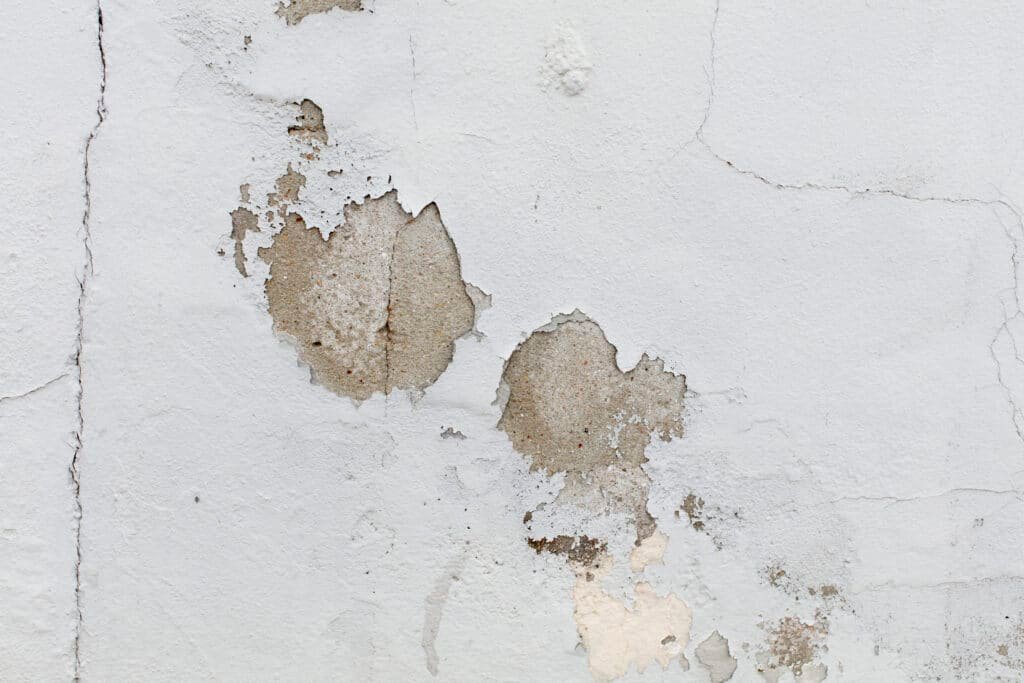
Cracked stucco can create openings where rainwater may enter the exterior wall system. Not every crack results in water intrusion, but cracks that are large, recurring, or located around vulnerable areas should be evaluated.
Ignoring damaged stucco can allow moisture problems to continue, particularly during periods of heavy rain or prolonged exposure to water.
Failed Sealants
Sealants around windows, doors, joints, penetrations, and other transitions can deteriorate over time. When these areas are no longer properly sealed, water may find a pathway behind the stucco.
Regular inspection of exterior sealants can help property owners identify potential vulnerabilities before they result in extensive moisture-related damage.
Window and Door Areas
Windows and doors are common areas of concern because they involve openings in the exterior wall. If flashing, sealants, or surrounding stucco details have failed, water can enter around these openings.
Water damage around windows and doors may appear as staining, cracking, deterioration, or other changes to the surrounding stucco.
Drainage Problems
Water should be directed away from the exterior wall rather than allowed to remain against it. Poor drainage, improperly directed gutters, downspouts, or landscaping can contribute to prolonged moisture exposure.
Correcting drainage issues may be an important part of addressing recurring stucco water damage.
Roof and Wall Transitions
Areas where roofs, walls, vents, pipes, and other building components meet can require careful waterproofing and detailing. If these transitions fail, water can enter the wall system and eventually affect the stucco.
Signs of Stucco Water Damage
Recognizing warning signs early can help property owners determine when professional evaluation is necessary.
Staining and Discoloration
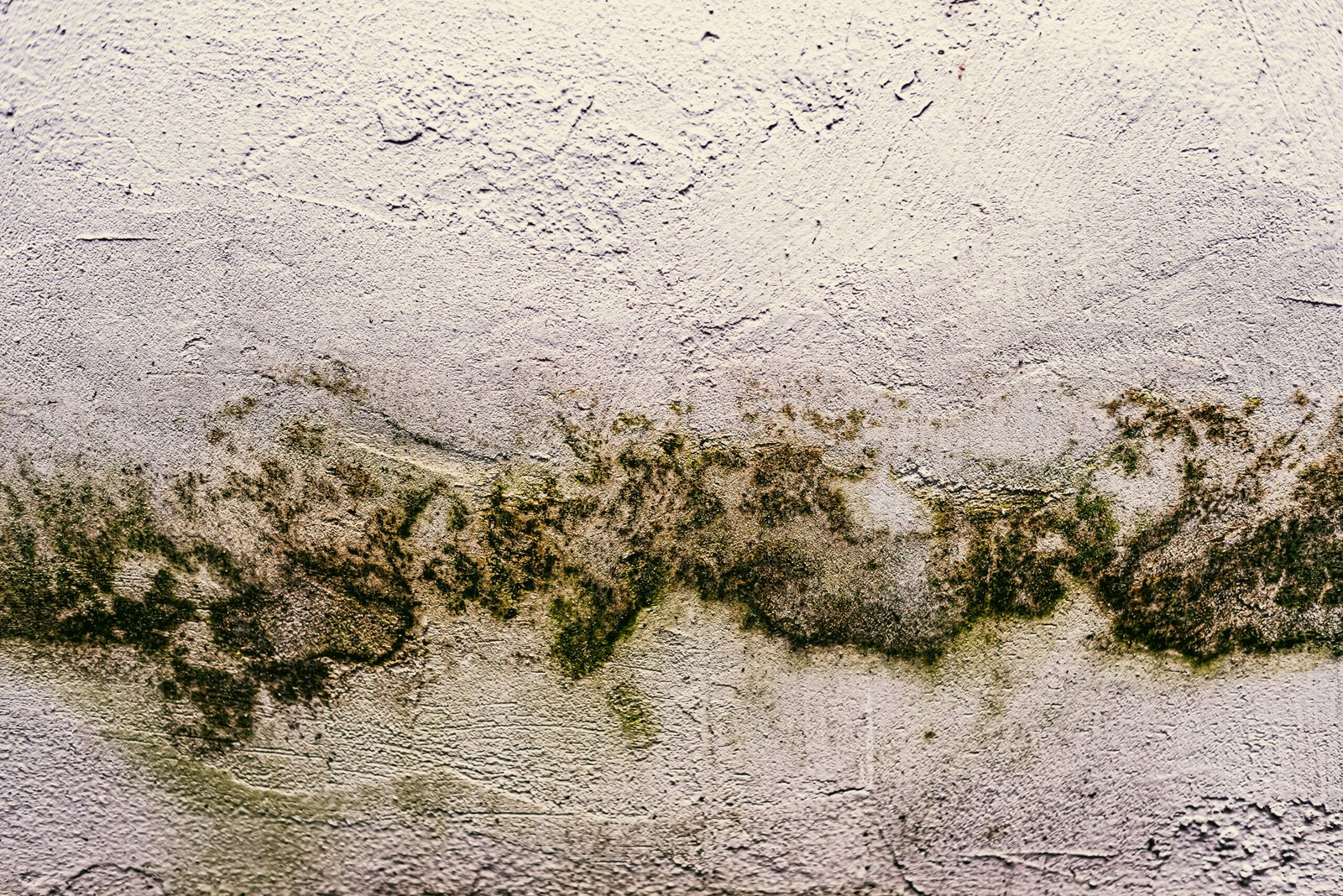
Dark streaks, water stains, discoloration, or unusual patches on stucco can indicate moisture exposure. While some staining may be purely cosmetic, persistent or recurring discoloration should be investigated.
Soft or Deteriorating Stucco
Stucco that feels unusually soft, crumbly, or deteriorated may indicate prolonged exposure to moisture. Damaged areas may require removal so the underlying wall components can be inspected.
Bulging or Separating Stucco
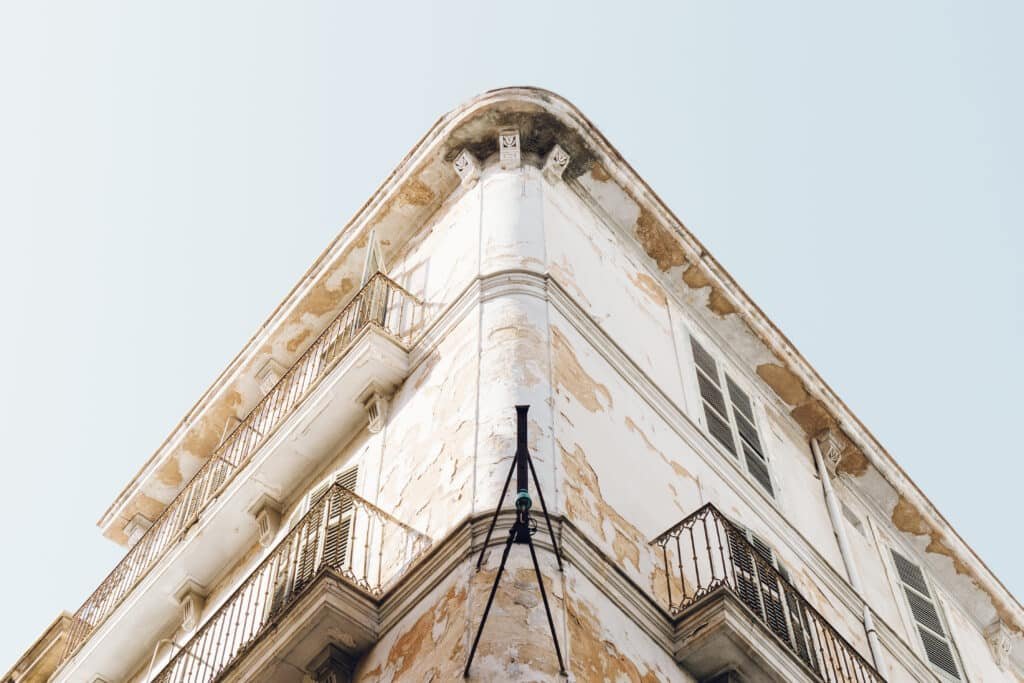
Stucco that appears to bulge, swell, or separate from the wall can be a warning sign of deterioration behind the surface. These areas should be evaluated rather than simply covered with new material.
Cracking
Water-related deterioration can be accompanied by cracking. If cracks appear alongside staining, soft areas, or separation, it is especially important to determine whether moisture is entering behind the stucco.
Damaged Lath
In some stucco systems, moisture can eventually affect metal lath and cause corrosion. Deteriorated lath may compromise the integrity of the stucco assembly and require replacement as part of the repair.
Why Stucco Water Damage Should Not Be Ignored
One of the biggest mistakes property owners can make is treating visible stucco damage as purely cosmetic without determining its cause.
For example, painting over a stain or applying patch material over a crack may temporarily improve the appearance while leaving an active moisture problem unresolved.
Continued water intrusion can affect materials behind the stucco. Depending on the construction and extent of exposure, this may include the weather-resistant barrier, lath, sheathing, framing, or other components.
Addressing the source of moisture is therefore just as important as repairing the visible stucco.
How Is Stucco Water Damage Repaired?
The repair process depends on the severity and location of the damage.
A professional contractor may first identify areas of visible deterioration and investigate potential entry points for water. Damaged stucco may need to be carefully removed to determine the condition of the materials underneath.
If the weather-resistant barrier, lath, or other components have been damaged, those materials may need to be repaired or replaced before the exterior is rebuilt.
The stucco is then properly installed over the repaired area and finished to match the surrounding surface as closely as possible.
The exact process varies from property to property, which is why an on-site evaluation is important before determining the scope of work.
Does Water Damage Mean the Entire Stucco Exterior Needs Replacement?
Not necessarily. The presence of water damage does not automatically mean the entire exterior must be replaced.
If moisture intrusion is limited to a specific location and the surrounding stucco system remains in good condition, localized repair may be appropriate.
However, extensive deterioration, widespread moisture intrusion, repeated repairs, or significant damage to the existing stucco system may justify a larger re-stucco project.
A professional contractor can assess the affected areas and help determine whether targeted repairs or a more comprehensive solution is appropriate.
The Importance of Lath and Plaster Repair
When water reaches components behind the stucco, the problem may extend beyond the visible surface. Damaged lath can affect how the stucco system performs and may need to be replaced before new stucco is applied.
Magic Lath & Plaster offers lath and plaster services in addition to stucco repair. Addressing the underlying system allows repairs to focus on the actual source and extent of the damage rather than simply concealing the symptoms.
Why Texture Matching Matters After Water Damage
After damaged stucco has been removed and repaired, the new finish needs to blend with the surrounding exterior.
Stucco textures can vary significantly between properties. A repair that uses an incompatible texture may be highly noticeable even if the underlying work is properly completed.
Magic Lath & Plaster provides texture matching and exterior finish services to help repaired areas blend with existing stucco as closely as practical.
Magic Lath & Plaster Stucco and Plaster Services
Magic Lath & Plaster provides residential and commercial stucco and plaster services throughout Los Angeles County. Our services include:
- Stucco repair
- Commercial stucco
- New stucco installation
- Re-stucco
- Lath and plaster
- Exterior finishes
- Texture matching
- Venetian plaster
Whether your property has isolated water damage or requires more extensive exterior work, our team can help determine the appropriate service based on the condition of your stucco system.
Areas We Serve
Magic Lath & Plaster serves homeowners and commercial property owners throughout Los Angeles County, including:
If you are located in one of these communities and have noticed signs of stucco water damage, professional evaluation can help identify the cause and determine the appropriate repair solution.
How to Prevent Future Stucco Water Damage
Although not every moisture problem can be prevented, regular exterior maintenance can help identify potential issues early.
Inspect cracks, sealants, windows, doors, roof transitions, gutters, and downspouts periodically. Keep drainage systems functioning properly and avoid allowing water to remain against exterior walls.
Pay particular attention to areas where different building materials meet. These transitions can require proper sealing and maintenance to reduce the potential for water intrusion.
If you notice new staining, cracking, deterioration, or separation, consider having the area professionally evaluated rather than waiting for the damage to become more extensive.
How to Choose a Stucco Water Damage Contractor
Choosing the right contractor is important when dealing with moisture-related stucco problems. A contractor should understand that repairing the visible stucco may not be enough if water has affected the underlying wall system.
Look for a company with experience in stucco repair, lath and plaster, exterior finishes, texture matching, and re-stucco. The contractor should also be able to explain the likely cause of the damage and the recommended repair process.
Avoid choosing a contractor based solely on the lowest price. A surface-level repair may appear inexpensive but could leave an underlying moisture problem unresolved.
Magic Lath & Plaster provides professional stucco and plaster solutions for residential and commercial properties throughout Los Angeles County.
If you have noticed stucco water damage, staining, cracks, bulging, soft stucco, or other signs of moisture intrusion, contact Magic Lath & Plaster to discuss your property and determine the appropriate next step.
Frequently Asked Questions About Stucco Water Damage
1. What are the signs of stucco water damage?
Common signs include staining, discoloration, cracks, soft or crumbling stucco, bulging, separation, deteriorating areas, and damage around windows or doors. These signs can have different causes, so professional evaluation may be necessary.
2. Can stucco water damage be repaired?
Yes. The appropriate repair depends on how far the moisture has affected the stucco system. Repairs may involve removing damaged stucco, addressing the source of water, repairing the weather-resistant barrier or lath, and rebuilding the exterior finish.
3. Does stucco water damage mean I need to replace all my stucco?
Not necessarily. Localized water damage may only require a targeted repair. However, widespread deterioration or extensive underlying damage may make re-stuccoing a more appropriate option.
4. How does water get behind stucco?
Water can enter through cracks, failed sealants, openings around windows and doors, drainage problems, roof and wall transitions, penetrations, or other damaged areas of the exterior system.
5. How can I get my stucco water damage inspected?
A professional stucco contractor can evaluate visible damage and determine whether moisture has affected the underlying system. Magic Lath & Plaster provides stucco repair and related services throughout Los Angeles County and can help determine the appropriate solution for your property.