Stucco cracking is one of the most common concerns homeowners and property owners encounter with exterior stucco. While some cracks may be minor and primarily cosmetic, others can indicate moisture intrusion, movement, installation issues, or deterioration within the underlying stucco system. Understanding why stucco cracks and knowing when to call a professional can help protect your property and prevent more extensive repairs.
Stucco is designed to provide a durable exterior finish, but it is exposed to weather, temperature changes, building movement, moisture, and everyday wear. Over time, these factors can contribute to cracking. The appearance, size, location, and progression of a crack can provide important clues about the potential cause.
If you have noticed cracks developing on your property’s exterior, Magic Lath & Plaster can help evaluate the condition of your stucco and determine whether repair, re-stucco, or another solution is appropriate.
What Causes Stucco Cracking?
Stucco cracking can happen for several reasons. Identifying the cause is important because simply filling a crack may not prevent it from returning.
Normal Shrinkage
Some cracking can occur as stucco materials cure and dry. Fine hairline cracks may develop during this process, particularly when conditions during installation or curing are not ideal.
Minor shrinkage cracks may not indicate serious damage, but they should still be monitored for changes in size, length, or appearance.
Building Movement
Buildings naturally experience small amounts of movement. Changes in temperature, settlement, structural movement, and other factors can place stress on exterior finishes.
When movement exceeds what the stucco system can accommodate, cracks may develop. Cracks that repeatedly return after repair can be an indication that the underlying cause has not been addressed.
Moisture Intrusion
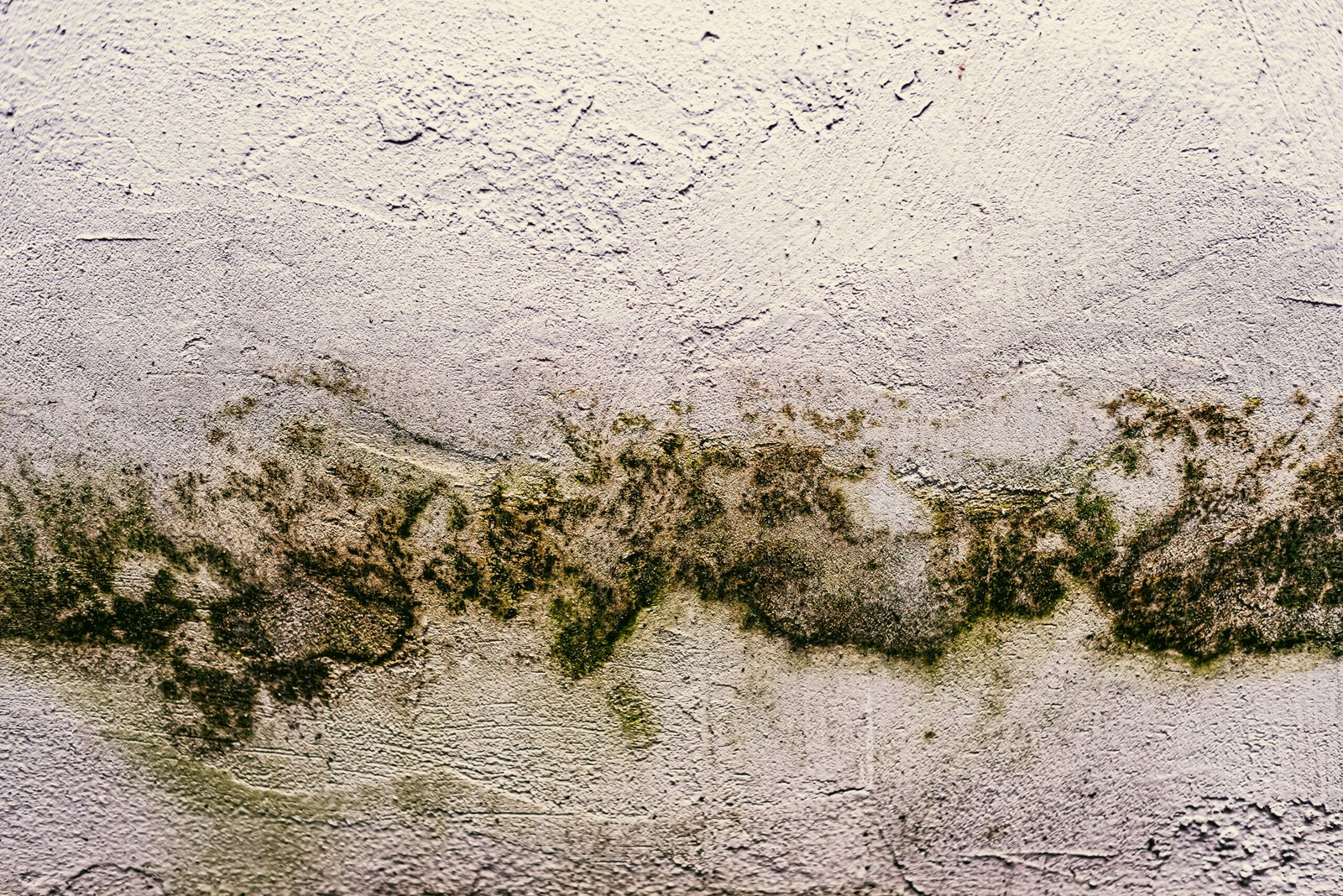
Water is one of the most important factors to consider when evaluating stucco cracking. Cracks can create pathways for water to enter behind the exterior finish.
Moisture intrusion can potentially affect the weather-resistant barrier, lath, framing, and other components behind the stucco. In these situations, repairing only the visible crack may not solve the problem.
Improper Installation
Stucco systems depend on proper materials, preparation, application, detailing, and curing. Problems with installation can contribute to premature cracking or other forms of deterioration.
Improperly treated transitions, inadequate reinforcement, poor detailing around openings, or other installation issues can increase the likelihood of cracking.
Temperature and Weather Changes
Exterior walls are exposed to daily and seasonal temperature changes. Materials expand and contract as temperatures fluctuate, and repeated movement can contribute to cracking over time.
Sun exposure, rain, humidity, and other environmental conditions can also affect the longevity of exterior stucco.
Are All Stucco Cracks Serious?
No. Not every stucco crack indicates a major structural or moisture problem. Fine hairline cracks can sometimes be cosmetic, especially when they are isolated and remain stable.
However, homeowners should pay closer attention to cracks that are large, widening, recurring, or accompanied by other warning signs.
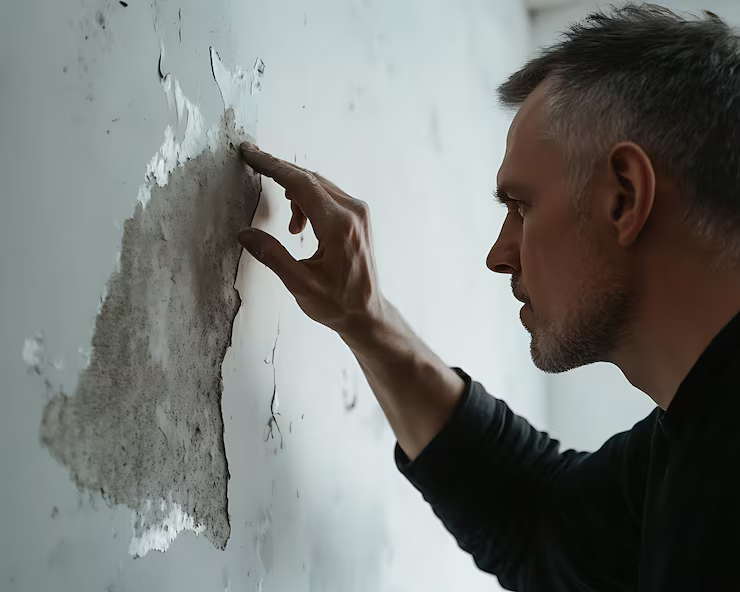
A professional inspection is particularly important when cracks are associated with water stains, soft areas, bulging stucco, separation, damaged areas around windows and doors, or other signs of deterioration.
The key is to understand why the stucco is cracking, rather than simply covering the visible damage.
Types of Stucco Cracking to Watch For
The appearance and location of a crack can provide useful information about the potential problem.
Hairline Cracks
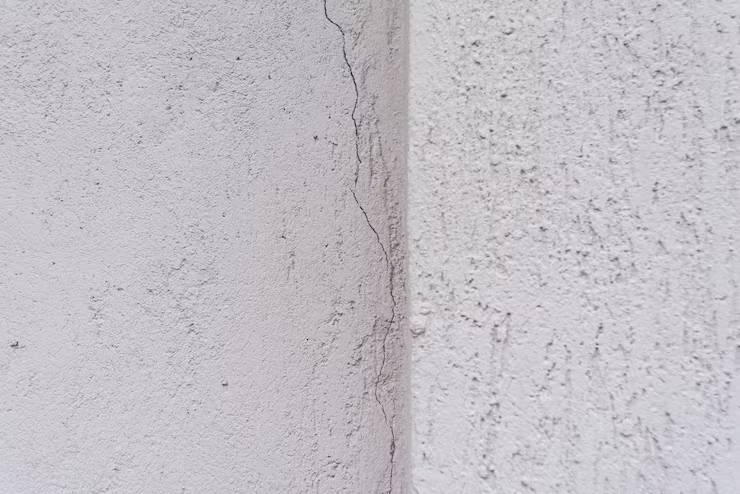
Fine cracks are often shallow and may be limited to the surface. While they can be cosmetic, homeowners should monitor them for changes.
Larger or Widening Cracks
Cracks that are noticeably wider or continue to grow may require professional evaluation. They can be associated with movement, moisture, or other underlying issues.
Cracks Around Windows and Doors
Openings in exterior walls require careful detailing because they are potential points for water entry. Cracking around windows and doors should therefore be evaluated, particularly when accompanied by staining or moisture concerns.
Recurring Cracks
If the same area continues to crack after previous repairs, there may be an underlying cause that has not been addressed. Repeatedly patching the surface may not provide a long-term solution.
Cracks Accompanied by Bulging or Separation
When cracking occurs alongside stucco that appears loose, swollen, or separated from the wall, a more detailed inspection may be necessary.
Can Stucco Cracking Cause Water Damage?
Cracks can create openings through which moisture may enter the wall assembly. Whether a particular crack causes water intrusion depends on the construction of the wall, the location of the crack, surrounding details, weather conditions, and the condition of other protective components.
If water enters behind the stucco, it can affect the weather-resistant barrier and lath. Prolonged moisture exposure may lead to deterioration and increase the scope of necessary repairs.
This is why addressing stucco cracking promptly can be beneficial, particularly when cracks are accompanied by water stains or other signs of moisture.
How Is Stucco Cracking Repaired?
The appropriate repair depends on the type and severity of the crack and what caused it.
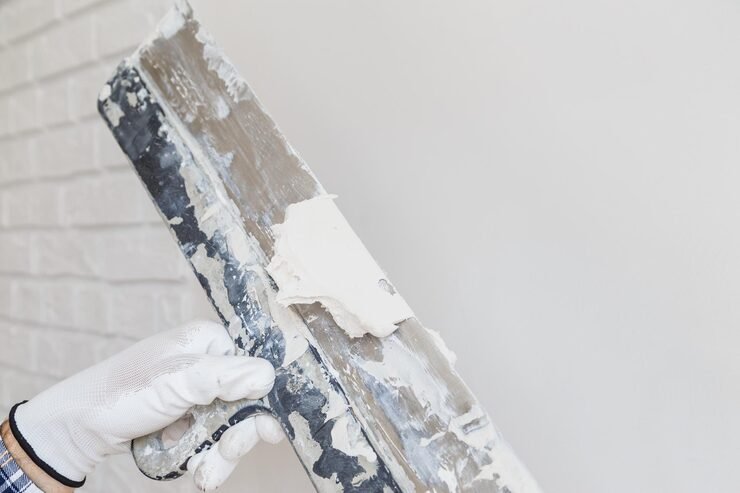
For a minor surface crack, the repair may involve preparing the affected area and applying compatible repair materials before matching the surrounding texture.
More extensive damage may require removing deteriorated stucco and inspecting the materials underneath. If moisture has affected the weather-resistant barrier or lath, those components may need to be repaired or replaced before new stucco is applied.
A professional contractor should determine the repair method based on the actual condition of the wall rather than simply applying material over the visible crack.
Why Texture Matching Is Important
A stucco repair should not only address the damage but also blend with the existing exterior. Different properties can have unique textures, colors, and finishes.
An obvious repair can affect curb appeal and make the property appear unfinished. Professional texture matching helps the repaired area integrate more naturally with the surrounding stucco.
Magic Lath & Plaster provides texture matching and exterior finishing services as part of its stucco and plaster work.
When Does Stucco Cracking Require Re-Stuccoing?
Not every cracked wall requires complete replacement. Localized cracking may be addressed through targeted repair when the surrounding stucco system remains in good condition.
However, extensive cracking, widespread deterioration, recurring repairs, or significant damage to the existing system may make re-stuccoing a better option.
A professional evaluation can help determine whether repair or re-stuccoing is the most practical approach for the property.
Magic Lath & Plaster Stucco and Plaster Services
Magic Lath & Plaster provides residential and commercial stucco and plaster services throughout Los Angeles County. Our services include:
- Stucco repair
- Commercial stucco
- New stucco installation
- Re-stucco
- Lath and plaster
- Exterior finishes
- Texture matching
- Venetian plaster
Whether you have a few visible cracks or widespread exterior deterioration, professional evaluation can help determine the appropriate scope of work.
Areas We Serve
Magic Lath & Plaster serves homeowners and commercial property owners throughout Los Angeles County, including:
If your property is located in these areas and you are experiencing stucco cracking, our team can help assess your exterior and identify an appropriate repair or replacement solution.
Why You Should Not Ignore Stucco Cracking
It can be tempting to ignore a small crack if there are no obvious signs of damage. However, monitoring and addressing cracks can help property owners identify developing problems.
A crack that remains stable may require relatively simple maintenance, while a crack that continues to expand or appears alongside moisture damage may require more extensive work.
Early evaluation can help determine the difference between a cosmetic issue and a problem that requires attention to the underlying wall system.
How to Choose a Stucco Repair Contractor
Choosing an experienced contractor is important when dealing with stucco cracking. The contractor should be able to assess more than the surface appearance and identify potential moisture, lath, or installation-related issues.
When comparing contractors, consider their experience with stucco repair, range of services, attention to texture matching, communication, and ability to explain the recommended work.
Do not base your decision solely on the lowest price. A low-cost surface patch may not resolve an underlying problem, potentially resulting in repeated repairs.
Magic Lath & Plaster provides professional stucco and plaster services for residential and commercial properties throughout Los Angeles County.
If you are concerned about stucco cracking, whether you have hairline cracks, larger cracks, recurring damage, or cracking accompanied by moisture concerns, contact Magic Lath & Plaster to discuss your project and determine the appropriate next step.
Frequently Asked Questions About Stucco Cracking
1. What causes stucco cracking?
Stucco cracking can result from normal shrinkage, building movement, temperature changes, moisture intrusion, weather exposure, improper installation, or deterioration of the underlying wall system. Identifying the cause is important before choosing a repair method.
2. Are hairline cracks in stucco a serious problem?
Hairline cracks can sometimes be cosmetic and may not indicate significant damage. However, they should be monitored, especially if they become wider, increase in number, return after repair, or appear alongside water stains or other signs of deterioration.
3. Can cracked stucco cause water leaks?
Cracks can provide potential pathways for water to enter behind the stucco system. Whether water intrusion occurs depends on the location and severity of the crack and the condition of the protective components behind the stucco.
4. Should cracked stucco be repaired or replaced?
The appropriate solution depends on the extent of the damage. Localized cracks may require targeted repairs, while widespread cracking or deterioration may require re-stuccoing. A professional inspection can help determine the appropriate approach.
5. How much does it cost to repair stucco cracking?
The cost varies based on the size and severity of the damage, accessibility, labor, materials, moisture issues, lath condition, and texture requirements. An on-site evaluation from a professional contractor provides the most accurate project-specific estimate.