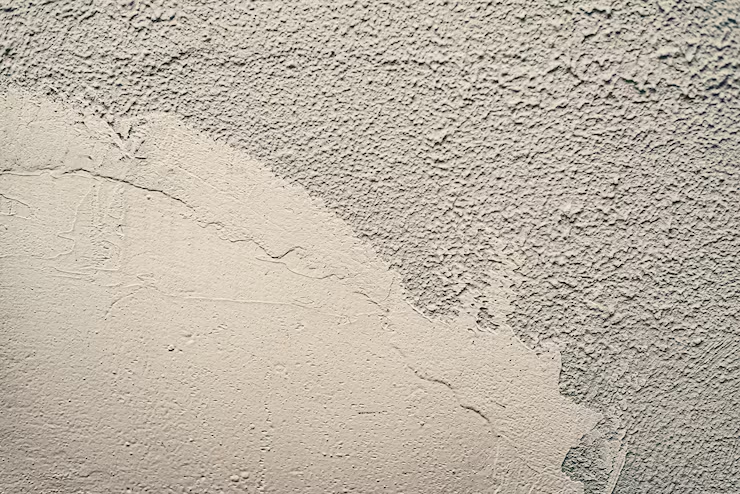
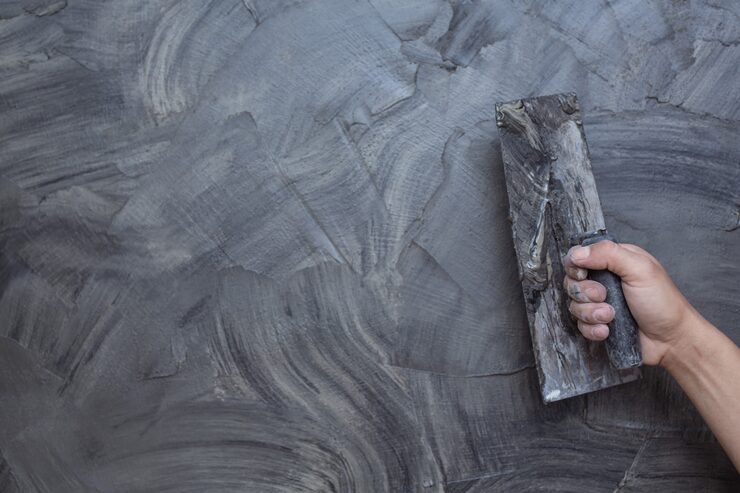
Plaster wall repair is an important part of maintaining older homes, historic properties, and buildings with traditional plaster interiors. Cracks, holes, water damage, loose plaster, and deteriorating surfaces can affect both the appearance and structural condition of a wall. Addressing these problems early can help prevent more extensive damage and preserve the character of the property.
Unlike modern drywall, traditional plaster walls are built in layers and can require specialized repair techniques. The visible damage may only represent part of the problem. For example, a small crack may be caused by movement behind the wall, moisture, aging materials, or deterioration of the supporting lath.
For Los Angeles homeowners, choosing the right repair approach is important for achieving a durable result while maintaining the original appearance of the wall.
Magic Lath & Plaster provides professional plaster and lath services throughout Los Angeles and surrounding communities. From localized plaster repairs to larger restoration and renovation projects, professional workmanship can help restore damaged walls while preserving their existing character.
Plaster Wall Repair
Plaster wall repair involves restoring damaged areas of a plaster wall and, when necessary, addressing problems underneath the surface. The appropriate repair method depends on the type and extent of damage.
Common plaster wall problems include:
- Hairline cracks
- Large cracks
- Holes
- Loose plaster
- Bulging plaster
- Water damage
- Peeling finishes
- Deteriorated lath
- Impact damage
- Separation between plaster layers
- Surface deterioration
Some problems can be repaired locally, while extensive deterioration may require larger sections of plaster to be removed and rebuilt.
Why Plaster Walls Need Repair
Plaster walls can last for many decades when properly maintained, but age and environmental conditions can eventually cause deterioration.
Several factors can contribute to plaster damage.
Age
Older plaster can become brittle over time. Changes in the building and repeated exposure to normal temperature and humidity variations can contribute to cracking and separation.
Building Movement
Homes naturally experience some movement as materials expand, contract, settle, and respond to environmental conditions. This movement can create cracks in plaster.
Moisture
Water intrusion is one of the most important issues to address. Plumbing leaks, roof problems, exterior water intrusion, or excessive interior moisture can damage plaster and the materials behind it.
Impact
Furniture, doors, remodeling work, and accidental impacts can create holes, dents, and broken plaster.
Deteriorated Lath
Traditional plaster walls often rely on lath as a supporting base. If the lath becomes damaged or deteriorated, the plaster may lose its support.
Common Signs You Need Plaster Wall Repair
Some plaster problems are easy to see, while others can develop gradually.
Cracks
Small cracks may be cosmetic, but larger or recurring cracks should be evaluated. Cracks that continue to expand may indicate movement or another underlying issue.
Bulging Walls
If plaster appears to bulge away from the wall structure, it may no longer be properly attached to the underlying support.
Loose Plaster
Loose areas can sometimes be identified by tapping the surface and noticing a hollow sound. However, homeowners should avoid aggressive testing that could cause additional damage.
Holes and Missing Plaster
Holes caused by plumbing, electrical work, remodeling, or impact can leave sections of the wall exposed and should be properly patched.
Water Staining
Brown, yellow, or dark stains can indicate previous or ongoing moisture problems.
Peeling or Flaking Surfaces
Peeling paint or finish may indicate that the surface has deteriorated or that moisture is affecting the plaster.
Plaster Wall Repair vs. Drywall Repair
Plaster and drywall are different materials and should not always be repaired using the same methods.
Drywall generally consists of gypsum panels installed over framing. Traditional plaster is commonly applied in layers over lath.
Because plaster is built differently, repairing it often requires techniques that are specific to plaster construction.
For older Los Angeles homes, maintaining the original plaster can be especially valuable. Replacing traditional plaster with drywall may change the appearance, texture, and character of the property.
When possible, repairing existing plaster can preserve the original construction while addressing the damaged areas.
Types of Plaster Wall Repairs
The repair approach depends on the condition of the wall.
Crack Repair
Minor cracks can often be opened, prepared, filled, and blended with the surrounding surface. The repair should be properly reinforced or treated when necessary to reduce the chance of recurrence.
Hole Repair
Small holes can typically be patched. Larger holes may require rebuilding several layers of the plaster system.
Loose Plaster Repair
Loose sections need to be stabilized before the surface is refinished. Simply applying new material over loose plaster may result in another failure.
Water-Damaged Plaster Repair
Moisture-related damage should be addressed at its source. Damaged plaster may need to be removed, while the underlying materials should be evaluated before the wall is rebuilt.
Lath Repair
If the supporting lath is damaged, deteriorated, or missing, it may need to be repaired or replaced before new plaster is applied.
How Professional Plaster Wall Repair Works
A professional repair generally starts with an evaluation of the damaged area.
Step 1: Inspect the Wall
The contractor evaluates the visible damage and looks for signs of movement, moisture, loose plaster, or deterioration behind the surface.
Step 2: Identify the Cause
Understanding why the plaster failed is essential. Repairing the surface without addressing the cause can result in recurring damage.
Step 3: Remove Damaged Material
Loose or severely deteriorated plaster may need to be removed to create a stable surface for the repair.
Step 4: Repair the Underlying Structure
If the lath or other supporting materials are damaged, they may need to be repaired before new plaster is installed.
Step 5: Apply New Plaster
New material is applied using an appropriate repair method and in compatible layers.
Step 6: Match the Existing Finish
Texture and finish matching can be particularly important in older homes. The goal is to make the repaired section blend naturally with the surrounding wall.
Step 7: Complete the Finish
Once the repaired area has properly cured and been prepared, it can be finished or painted as appropriate.
How Much Does Plaster Wall Repair Cost?
The cost of plaster wall repair depends on several factors, including:
- Size of the damaged area
- Type of plaster damage
- Number of repair areas
- Condition of the lath
- Moisture damage
- Accessibility
- Required preparation
- Texture matching
- Finish requirements
- Extent of underlying deterioration
A small hole or localized crack may require considerably less work than a wall with widespread loose plaster or water damage.
Homeowners should also consider the cause of the damage when comparing estimates. A low-cost surface patch may not be the best solution if the underlying issue remains unresolved.
Can Old Plaster Walls Be Repaired?
Yes. Many older plaster walls can be successfully repaired.
In fact, repairing original plaster can be an excellent option when the majority of the wall remains sound. Professional repairs can address damaged sections while preserving the existing construction and appearance.
Older homes may also have unique plaster textures and finishes that can be difficult to reproduce with modern materials. Preserving the original plaster can help maintain the property’s architectural character.
When Should You Replace Plaster Instead of Repairing It?
Repair is usually preferred when damage is limited to specific areas and the surrounding plaster remains stable.
More extensive replacement or rebuilding may be considered when:
- Large sections are severely deteriorated
- Plaster is extensively detached
- Lath has widespread damage
- Moisture has caused significant deterioration
- Previous repairs have repeatedly failed
- The wall has extensive structural problems
A professional assessment can help determine whether localized repair or more extensive restoration is appropriate.
Plaster Wall Repair for Older Los Angeles Homes
Los Angeles contains many older homes where original plaster contributes to the property’s character.
Preserving these materials can be especially important in homes with historic or traditional architectural details.
Rather than automatically replacing an old plaster wall with drywall, homeowners should consider whether the existing system can be repaired and preserved.
A qualified plaster professional can evaluate the wall and recommend a repair approach that respects the original construction.
Does Moisture Affect Plaster Walls?
Yes. Moisture can significantly affect plaster walls.
Potential sources include:
- Plumbing leaks
- Roof leaks
- Window leaks
- Exterior water intrusion
- Poor drainage
- High interior humidity
- Damaged exterior finishes
If water is responsible for the damage, the source should be corrected before completing the plaster repair.
Otherwise, new plaster may eventually experience the same staining, cracking, or deterioration.
Benefits of Professional Plaster Wall Repair
Professional repair offers several advantages over temporary patching.
Better Appearance
Experienced plaster professionals can blend the repaired area with the surrounding wall.
Proper Diagnosis
Professionals can look beyond visible cracks and identify potential underlying problems.
Preservation
Repairing original plaster can help preserve the architectural character of an older property.
Long-Term Results
Proper preparation and compatible repair materials can provide a more durable result.
Texture Matching
Matching an existing plaster texture requires experience and attention to detail, especially in older homes.
Magic Lath & Plaster Services
Magic Lath & Plaster provides professional plaster and stucco services for residential and commercial properties throughout Los Angeles.
Our services include:
- Stucco repair
- Commercial stucco
- New stucco installation
- Re-stucco
- Lath and plaster
- Exterior finishes
- Texture matching
- Venetian plaster
Whether you have a small interior plaster repair or a larger restoration project, professional evaluation can help determine the best solution for the property.
Plaster Wall Repair in Los Angeles
Magic Lath & Plaster serves customers throughout Los Angeles and surrounding communities, including:
Our experience with plaster and lath systems allows homeowners to address damaged walls while maintaining the look and character of their property.
How to Prevent Future Plaster Damage
While not every plaster problem can be prevented, regular maintenance can reduce the likelihood of major deterioration.
Address Leaks Quickly
Fix plumbing, roof, window, and exterior leaks as soon as they are discovered.
Monitor Cracks
Keep an eye on cracks that change in size or appearance.
Maintain Exterior Drainage
Proper gutters and drainage can help reduce water exposure to exterior walls.
Avoid Ignoring Loose Areas
Loose or bulging plaster can become a larger problem if left untreated.
Use Professional Repairs
Properly repairing the damaged area and addressing the underlying cause can reduce the risk of recurring problems.
Final Thoughts on Plaster Wall Repair
Plaster wall repair can restore damaged surfaces, preserve older construction, and help maintain the appearance and value of a Los Angeles property. Whether the issue is a small crack, a hole, loose plaster, water damage, or deteriorated lath, the right repair method depends on the condition of the entire wall system.
Attempting to cover damaged plaster without identifying the cause can lead to recurring problems. Professional evaluation is especially important when there are signs of moisture, extensive cracking, bulging, or deteriorated supporting materials.
Magic Lath & Plaster provides plaster, lath, stucco, and exterior finishing services throughout Los Angeles and surrounding areas. Our team can evaluate damaged plaster and recommend a practical repair solution based on the condition of the property.
Frequently Asked Questions
1. How much does plaster wall repair cost?
The cost depends on the size and type of damage, the condition of the plaster and lath, accessibility, moisture issues, and the amount of finishing or texture matching required. A professional inspection provides the most accurate estimate.
2. Can cracked plaster walls be repaired?
Yes. Many cracked plaster walls can be repaired. However, recurring, widening, or extensive cracks should be evaluated to determine whether movement, moisture, or another underlying issue is contributing to the damage.
3. Is it better to repair plaster or replace it with drywall?
If the existing plaster is generally sound, repairing it can preserve the original character of the property. Replacement may be considered when the plaster and supporting materials are extensively deteriorated.
4. Can water-damaged plaster be repaired?
Yes, but the source of the moisture should be corrected first. Damaged plaster and underlying materials may need to be removed and repaired before the wall can be properly restored.
5. Can old plaster texture be matched?
Yes. An experienced plaster professional can work to match the texture and finish of an existing wall. Matching older or unique plaster textures may require specialized techniques and careful finishing.