Stucco or Plaster? This is a common question for Los Angeles homeowners planning a new construction project, renovation, restoration, or exterior repair. Although stucco and plaster are related materials and can sometimes have similar appearances, they are generally used in different applications and have different installation requirements.
Stucco is primarily associated with exterior walls and building exteriors, while plaster is commonly used for interior walls and ceilings. Traditional lath and plaster systems can also be found in many older Los Angeles homes, where preserving the original material may be important to maintaining the property’s character.
Choosing the appropriate material depends on where it will be installed, the desired appearance, existing construction, moisture exposure, durability requirements, and project goals.
Understanding the differences between stucco and plaster can help homeowners communicate more effectively with contractors and determine which type of finish is appropriate for their property.
Stucco or Plaster?
Stucco and plaster are both applied as finishing materials, but their typical applications are different.
Traditional stucco is generally designed for exterior exposure. It is commonly used on exterior walls and can withstand normal environmental conditions when properly installed and maintained.
Plaster is more commonly associated with interior walls and ceilings. Traditional lath and plaster construction has been used in residential buildings for generations and can provide a distinctive interior finish.
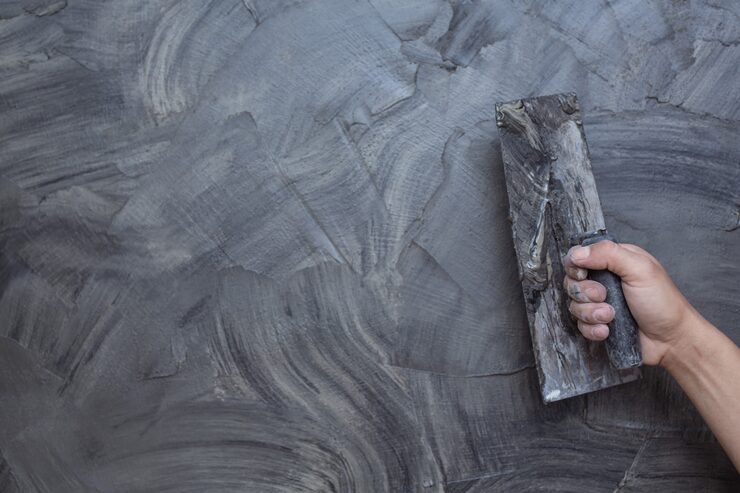
There are also specialized plaster finishes used for decorative purposes, including Venetian plaster and other interior finishes.
The best material depends on the location and requirements of the project.
What Is Stucco?
Stucco is a cement-based exterior finish commonly used on residential and commercial buildings.
A traditional stucco wall assembly can include several components, such as:
- Weather-resistant barriers
- Metal lath
- Scratch coat
- Brown coat
- Finish coat
- Flashing
- Sealants
- Drainage components
The visible finish can be customized using different textures and colors.
Stucco is popular throughout Los Angeles because it can complement many architectural styles, including Spanish, Mediterranean, traditional, and contemporary designs.
When properly installed, stucco can provide a durable exterior surface capable of handling normal outdoor exposure.
What Is Plaster?
Plaster is a finishing material commonly used for interior walls and ceilings.
Traditional plaster construction can involve plaster applied over lath. Depending on the age and construction of the property, the lath may be made from wood or metal.
Plaster can create a smooth or textured surface and has been used extensively in older homes.
Decorative plaster finishes can also be used to create unique interior designs.
Because traditional plaster is part of the property’s wall or ceiling construction, repair should account for the existing system rather than simply treating it like drywall.
Is Stucco the Same as Plaster?
Stucco and plaster are similar in some respects, but they are not interchangeable in every application.
Both can involve layered applications and cementitious or mineral-based materials, but exterior stucco systems are specifically designed for outdoor conditions, while interior plaster finishes are generally designed for indoor environments.
The materials, thicknesses, supporting systems, and application methods can differ.
Using the appropriate system for the intended environment is important for long-term performance.
Exterior Use: Stucco
Stucco is generally the preferred material for exterior wall finishes.
Exterior walls must withstand:
- Sun exposure
- Rain
- Wind
- Temperature changes
- Moisture
- Normal building movement
A properly designed stucco system incorporates components that help manage these conditions.
Exterior stucco can also be customized to achieve different textures and architectural styles.
Interior Use: Plaster
Plaster is commonly used for interior walls and ceilings.
Interior plaster can provide:
- Smooth surfaces
- Textured finishes
- Decorative details
- Traditional architectural character
- A durable wall finish
Traditional plaster is particularly common in older properties.
When repairing original plaster, preserving the existing material may be preferable when practical because replacing it with another material can change the property’s appearance and character.
Stucco Durability
Stucco is designed to handle exterior conditions, but it still requires maintenance.
Common stucco problems include:
- Cracking
- Staining
- Impact damage
- Failed sealants
- Water intrusion
- Loose sections
- Surface deterioration
Not every crack means that an exterior requires complete replacement.
Localized damage can sometimes be repaired, while widespread deterioration may require more extensive restoration or re-stucco.
Plaster Durability
Interior plaster can also be highly durable.
However, plaster can develop problems over time due to:
- Building movement
- Age
- Moisture
- Impact
- Vibrations
- Previous repairs
- Deteriorated lath
Common signs of plaster damage include cracks, holes, loose sections, peeling, water stains, and separation.
The repair approach depends on the type and extent of damage.
Stucco Repair
Stucco repair generally focuses on exterior damage.
A repair may involve:
- Inspecting the damaged area.
- Identifying the likely cause.
- Removing unstable material.
- Preparing the surface.
- Repairing underlying components when necessary.
- Applying compatible stucco materials.
- Matching the existing texture.
- Finishing the repaired area.
If moisture is involved, correcting the source is an important part of the repair.
Plaster Repair
Plaster repair is typically performed on interior walls and ceilings.
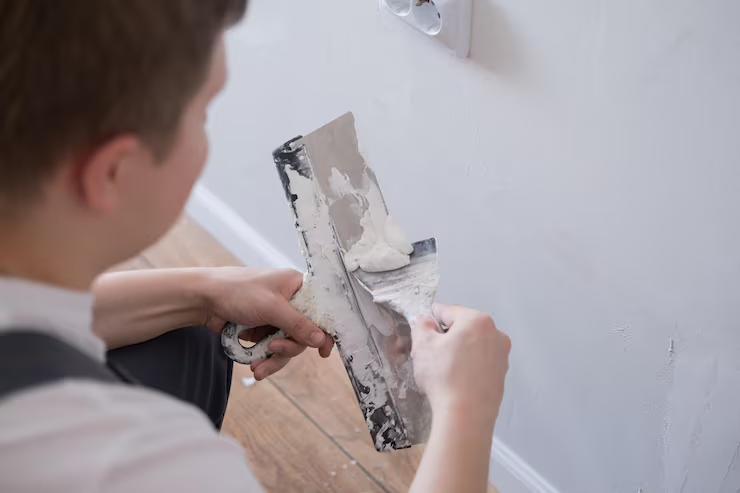
A repair may involve removing loose material, preparing the substrate, rebuilding damaged plaster layers, and matching the surrounding texture.
Older lath and plaster systems require particular attention to the condition of the supporting lath.
If the lath has deteriorated, simply repairing the visible plaster may not provide a long-term solution.
Stucco vs. Plaster Maintenance
Both materials benefit from regular inspection and maintenance, but the maintenance requirements differ because they are typically used in different environments.
For stucco, homeowners should inspect exterior walls for cracks, stains, failed sealants, and water-related problems.
For plaster, homeowners should monitor walls and ceilings for cracks, water stains, loose areas, and separation.
Moisture should be addressed promptly in both applications.
Stucco or Plaster for Older Los Angeles Homes?
Older Los Angeles homes may contain both traditional exterior stucco and interior plaster.
In these properties, maintaining the original materials can be important for preserving the architectural character.
Before replacing traditional plaster or stucco with modern materials, homeowners should determine the condition of the existing system and whether restoration is possible.
A professional evaluation can help identify the materials present and determine an appropriate repair strategy.
Stucco and Plaster Texture Matching
Texture matching is important for both stucco and plaster repairs.
Existing finishes can vary significantly depending on the original application technique, age, paint, weather exposure, and previous repairs.
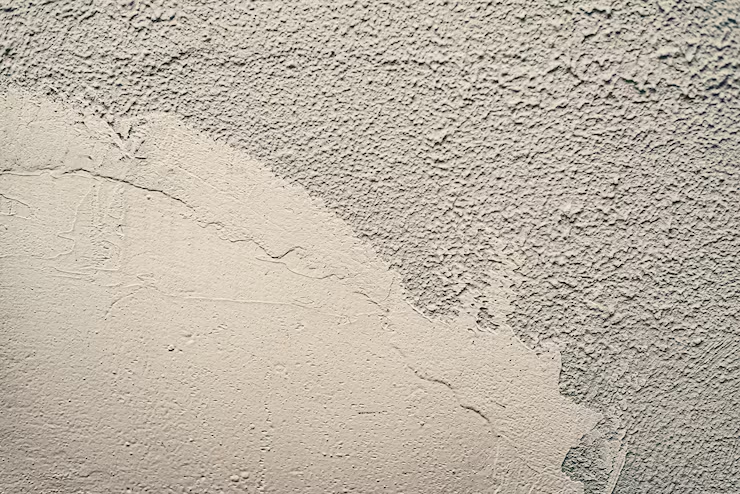
Stucco textures can include:
- Smooth
- Sand
- Lace
- Dash
- Custom finishes
Interior plaster can also have smooth, textured, or decorative finishes.
When repairing only a section, matching the existing texture can help the repair blend with the surrounding surface.
Cost Considerations: Stucco vs. Plaster
There is no single price for either stucco or plaster work.
Project costs depend on:
- Surface area
- Material type
- Extent of damage
- Accessibility
- Labor
- Surface preparation
- Underlying damage
- Texture
- Decorative details
- Removal requirements
Exterior stucco replacement can involve significant preparation and weather-management components, while interior plaster restoration may involve specialized techniques and texture matching.
A detailed estimate should reflect the actual property and scope of work.
Can Stucco Be Used Inside?
Certain stucco-like or plaster finishes can be used indoors, but traditional exterior stucco is not automatically the appropriate material for interior walls.
Interior decorative plaster products are specifically designed for indoor applications and can provide a range of visual effects.
The intended use, product specifications, and desired appearance should be considered before selecting a material.
Can Plaster Be Used Outside?
Traditional interior plaster is generally not a substitute for a properly designed exterior stucco system.
Exterior walls require materials and construction details capable of managing weather exposure and moisture.
For exterior applications, an appropriate stucco or exterior cladding system should be selected based on the property’s construction and environmental requirements.
Choosing Between Stucco and Plaster
The location of the project is one of the most important factors.
For an exterior wall, stucco may be appropriate because it is designed for exterior exposure.
For an interior wall or ceiling, plaster may be appropriate, particularly when restoring an older property with traditional plaster construction.
Homeowners should also consider:
- Existing construction
- Desired appearance
- Moisture exposure
- Architectural style
- Maintenance
- Repair requirements
- Budget
- Long-term project goals
A professional can evaluate the existing surface and explain which materials are suitable.
Professional Stucco and Plaster Services in Los Angeles
Magic Lath & Plaster provides professional stucco and plaster services for residential and commercial properties throughout Los Angeles County.
Our services include:
- Stucco repair
- Commercial stucco
- New stucco installation
- Re-stucco
- Lath and plaster
- Exterior finishes
- Texture matching
- Venetian plaster
Whether you need exterior stucco repair, traditional lath and plaster restoration, or a decorative plaster finish, the appropriate solution depends on the property and project requirements.
Lath and Plaster Restoration
Traditional lath and plaster is an important feature of many older properties.
When damage occurs, restoration may involve evaluating both the plaster and the supporting lath.
If the lath remains in good condition, localized plaster repairs may be possible.
If the supporting system has deteriorated, additional work may be required.
Preserving original materials where practical can help maintain the character of an older home.

Stucco and Plaster Services Throughout Los Angeles County
Magic Lath & Plaster serves homeowners and commercial property owners throughout Los Angeles County and surrounding communities.
Our service areas include:
Each property has different construction details, materials, textures, and maintenance histories. A property-specific assessment is important when planning stucco or plaster work.
When Should You Call a Professional?
Professional evaluation may be appropriate when you notice:
- Large cracks
- Recurring cracks
- Water stains
- Loose material
- Bulging stucco
- Sagging plaster
- Crumbling surfaces
- Separation
- Extensive deterioration
- Damage that returns after previous repairs
A professional can help determine whether the problem is limited to the finish or involves the supporting wall or ceiling system.
Final Thoughts
The answer to “Stucco or plaster?” depends primarily on where the material will be used and the requirements of the property.
Stucco is generally used for exterior walls because it is designed for outdoor exposure. Plaster is commonly used for interior walls and ceilings, particularly in traditional lath and plaster construction.
Both materials can provide attractive and durable finishes when properly installed and maintained. Both can also develop cracks, moisture damage, and other problems that require specialized repair.
For older Los Angeles properties, preserving original stucco or plaster may be an important consideration. A professional evaluation can help determine whether restoration, localized repair, or replacement is appropriate.
Magic Lath & Plaster provides stucco repair, commercial stucco, new stucco installation, re-stucco, lath and plaster, exterior finishes, texture matching, and Venetian plaster services throughout Los Angeles County.
If you are deciding between stucco and plaster for a renovation or need to repair an existing surface, understanding the property’s current construction is an important first step.
Frequently Asked Questions About Stucco or Plaster
1. What is the main difference between stucco and plaster?
Stucco is generally used as an exterior finish designed to withstand outdoor exposure, while plaster is commonly used for interior walls and ceilings. Traditional lath and plaster systems are found in many older properties.
2. Is stucco stronger than plaster?
They are designed for different applications, so comparing strength directly can be misleading. Exterior stucco is formulated and installed as part of a system intended for outdoor conditions, while interior plaster is designed for interior wall and ceiling applications.
3. Can plaster be repaired instead of replaced?
Yes. Many localized plaster problems can be repaired when the surrounding material and supporting system remain sound. Extensive deterioration may require more comprehensive restoration.
4. Can stucco and plaster have the same texture?
Some stucco and plaster finishes can have similar visual characteristics, but the materials and application systems can differ. Professional texture matching can help repaired areas blend with existing surfaces.
5. Does Magic Lath & Plaster provide both stucco and plaster services?
Yes. Magic Lath & Plaster provides stucco repair, commercial stucco, new stucco installation, re-stucco, lath and plaster, exterior finishes, texture matching, and Venetian plaster services throughout Los Angeles County